
Choosing the right eyeglass frames is more than a fashion decision—it’s an investment in daily comfort, vision support, and long-term eye health. Among premium materials, titanium has emerged as a top contender, often commanding a higher price tag than standard metal or plastic frames. But does its reputation for strength, lightness, and hypoallergenic properties justify the added expense? For people who wear glasses every day, the answer may depend on lifestyle, skin sensitivity, and how much value they place on durability and comfort.
Titanium frames have been used in high-end optical designs since the 1980s, originally adopted by military and aerospace industries for their exceptional strength-to-weight ratio. Today, they’re favored by professionals, athletes, and anyone seeking long-lasting eyewear that doesn’t sacrifice aesthetics. However, with prices often 30% to 100% higher than acetate or stainless steel alternatives, consumers are right to ask: are titanium frames truly worth it?
Durability That Lasts Years, Not Months
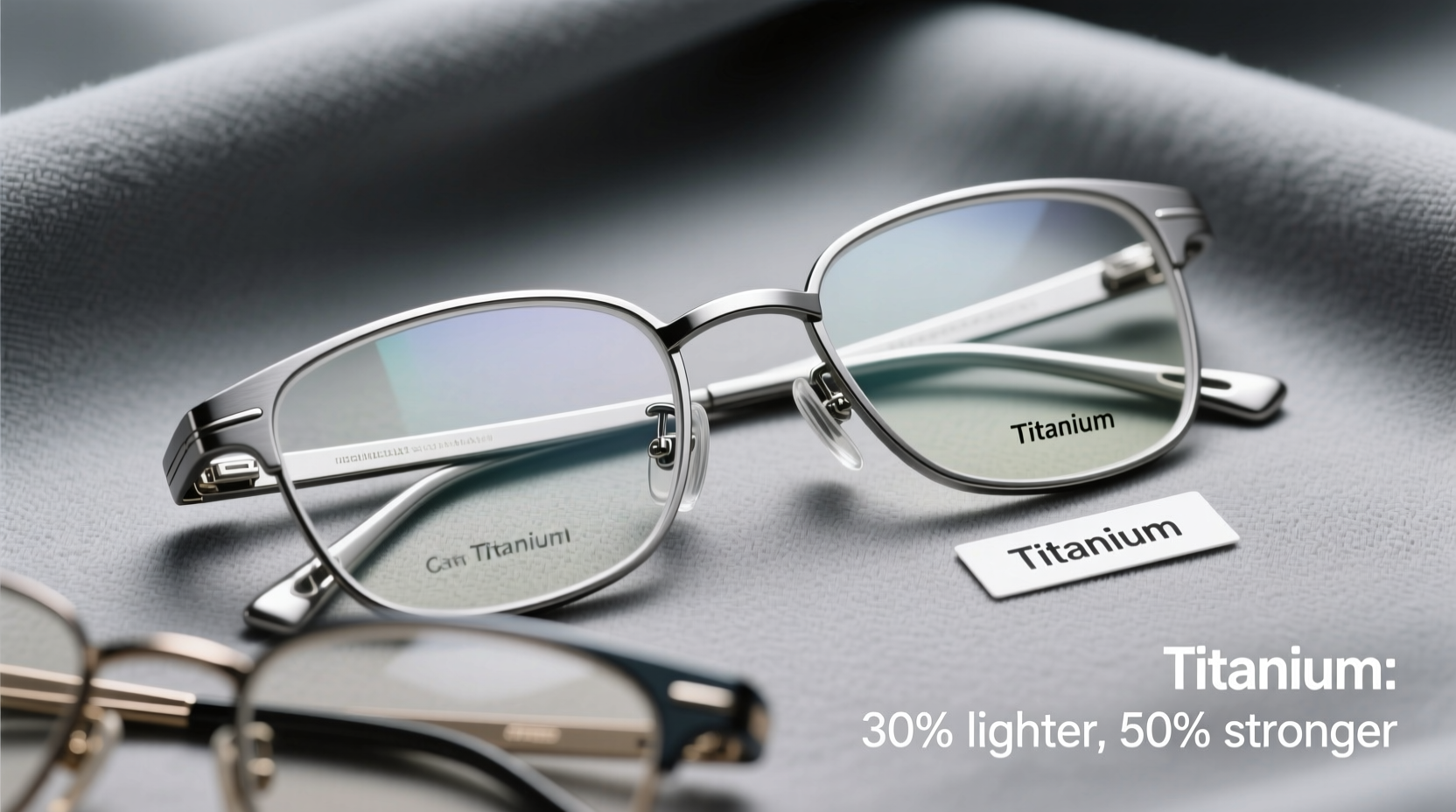
One of the most compelling reasons to consider titanium frames is their remarkable durability. Pure titanium and its alloys resist corrosion, bending, and fatigue far better than most frame materials. Unlike cheaper metals that may warp after minor drops or prolonged use, titanium maintains its shape even under stress. This resilience translates into fewer repairs, less frequent replacements, and lower long-term costs—especially for active individuals or those prone to misplacing or mishandling their glasses.
Titanium’s resistance to environmental factors like moisture and salt makes it ideal for humid climates or water-heavy lifestyles. Swimmers, runners, and travelers benefit from frames that won’t degrade when exposed to sweat or sea air. In contrast, many stainless steel frames can corrode over time, especially at the hinge points, leading to breakage or discomfort.
Lightweight Comfort Without Compromise
Despite its strength, titanium is about 45% lighter than steel. This makes titanium frames exceptionally comfortable for all-day wear. People who wear glasses for work, reading, or screen use often report reduced pressure behind the ears and on the nose bridge—a common complaint with heavier acetate or alloy frames.
The lightweight nature of titanium also allows for sleeker, minimalist designs without sacrificing structural integrity. Thin wire frames made from titanium can support strong prescription lenses while remaining nearly invisible on the face. This combination of form and function appeals to professionals and fashion-conscious wearers alike.
For individuals with strong prescriptions requiring thicker lenses, reducing frame weight becomes even more important. A heavy frame paired with dense lenses can cause slippage, discomfort, and ear fatigue. Titanium helps balance this load, improving both fit and wearing experience.
“Titanium offers the best strength-to-weight ratio of any commonly used eyewear material. When patients complain about headaches or marks behind the ears, I often recommend titanium as a solution.” — Dr. Lena Torres, Optometrist and Vision Health Consultant
Hypoallergenic Properties for Sensitive Skin
Skin irritation from metal frames is more common than many realize. Nickel, a component in many inexpensive alloys, is a well-known allergen affecting up to 15% of the population. Symptoms include redness, itching, and even sores behind the ears or on the nose bridge—particularly in warm weather when sweating increases metal exposure.
Pure titanium is naturally hypoallergenic and biocompatible, meaning it rarely causes adverse reactions. It’s the same material used in surgical implants and dental fixtures, trusted for direct contact with human tissue. While some titanium frames use beta-titanium (an alloy with small amounts of other metals), reputable brands ensure these blends remain non-reactive and safe for sensitive skin.
If you've ever experienced discomfort from your current frames, switching to titanium may resolve the issue entirely. Even if you don’t currently react to metals, long-term exposure can sometimes trigger sensitivities later in life—making titanium a preventive upgrade.
Cost Comparison: Upfront Price vs. Long-Term Value
Titanium frames typically range from $200 to $600 or more, compared to $80–$200 for quality acetate or stainless steel models. The initial cost difference is significant, but evaluating value requires looking beyond the price tag.
Consider this: if a $120 pair of plastic frames lasts 18 months before breaking or going out of style, and a $350 titanium pair lasts five years with minimal wear, the annual cost drops from $80 to $70. Add in fewer replacements, repair savings, and consistent comfort, and titanium begins to look like a smart financial choice over time.
| Frame Material | Avg. Price | Avg. Lifespan | Annual Cost | Common Issues |
|---|---|---|---|---|
| Acetate Plastic | $90–$180 | 1–2 years | $60–$90/year | Brittle over time, warps in heat, scratches easily |
| Stainless Steel | $100–$200 | 2–3 years | $50–$80/year | Nickel allergies, hinge corrosion, bends easily |
| Titanium | $250–$600 | 4–7 years | $40–$75/year | Higher upfront cost, limited color finishes |
This table illustrates that while titanium has the highest entry cost, its longevity spreads that expense over many years. For frequent replacement buyers, the cumulative spending on lower-tier frames can exceed the cost of a single high-quality titanium pair.
Real-World Example: From Frustration to Long-Term Satisfaction
James R., a software developer from Portland, went through four pairs of glasses in three years. His stainless steel frames kept bending from being sat on, and the nose pads irritated his skin during long coding sessions. “I was spending about $150 every ten months,” he said. “It felt like a recurring tax.”
After his optician recommended titanium, James invested $320 in a lightweight titanium frame with adjustable nose pads. Two and a half years later, the glasses remain in excellent condition—no bending, no irritation, and no need for adjustments. “It took me longer to pay off, but I haven’t had to think about my glasses since. That peace of mind is worth more than I expected.”
His experience reflects a broader trend: users who transition to titanium often report not just physical comfort, but psychological relief from not worrying about damage or discomfort.
What to Look for When Buying Titanium Frames
Not all titanium frames are created equal. To ensure you’re getting genuine value, keep these guidelines in mind:
- Check the material label: Look for “pure titanium” or “beta-titanium.” Avoid vague terms like “titanium finish” or “titanium look,” which may indicate only a coating.
- Inspect the hinges: High-end titanium frames often feature spring hinges for added flexibility and durability. These reduce stress on the temples and improve fit stability.
- Verify hypoallergenic claims: Reputable brands will clearly state whether the frame is nickel-free and suitable for sensitive skin.
- Try before you buy: Even lightweight materials can feel unbalanced with certain lens types. Always test the full assembled glasses, not just the empty frame.
- Buy from trusted sources: Independent optical shops and authorized dealers are more likely to carry authentic titanium frames than discount online retailers.
Step-by-Step Guide to Deciding If Titanium Is Right for You
Follow this practical sequence to determine whether the upgrade makes sense for your needs:
- Assess your current frame issues: Are they too heavy? Do they break often? Cause skin irritation? List your pain points.
- Estimate your replacement frequency: How many pairs have you bought in the last five years? Multiply average cost by number replaced to calculate total spending.
- Evaluate your lifestyle: Do you lead an active life? Work outdoors? Travel frequently? High-movement lifestyles benefit most from durable, lightweight frames.
- Test titanium frames in person: Visit an optical store and try on several titanium models. Pay attention to weight distribution, grip, and comfort during extended wear.
- Compare lifetime value: Divide the titanium frame price by your typical replacement interval. If the annual cost is close to or less than what you're already spending, it's a financially sound upgrade.
- Factor in health benefits: If you have allergies, chronic headaches, or skin sensitivities, the health advantages may outweigh cost considerations alone.
Frequently Asked Questions
Can titanium frames be adjusted?
Yes, titanium frames can be adjusted by a skilled optician using proper tools. While harder than acetate or regular metal, professional heating and bending techniques allow for precise fitting. Avoid attempting DIY adjustments, as excessive force can crack the material.
Do titanium frames go out of style quickly?
Generally, no. Titanium frames often feature timeless, minimalist designs that transcend trends. Their durability also means they can remain functional even if slightly outdated—many users continue wearing them long after newer styles emerge.
Are there downsides to titanium frames?
The main drawbacks are higher initial cost and limited color options. Titanium doesn’t accept paint or plating as easily as other metals, so finishes tend to be metallic silver, gunmetal, or gold tones. Some users also find the stiffness less forgiving than flexible plastics, though modern designs mitigate this with ergonomic shaping.
Final Verdict: Who Should Invest in Titanium?
Titanium frames aren’t necessary for everyone, but they offer clear advantages for specific groups:
- Active individuals: Runners, cyclists, and outdoor workers benefit from rugged, sweat-resistant frames.
- People with sensitive skin: Those prone to rashes or allergic reactions should prioritize hypoallergenic materials.
- Full-time glasses wearers: Anyone wearing glasses 8+ hours daily will appreciate the reduced pressure and long-term comfort.
- Value-driven buyers: Consumers focused on sustainability and reducing waste will find titanium’s longevity appealing.
For occasional wearers or those on a tight budget, high-quality acetate or stainless steel may suffice. But if you rely on your glasses daily and want a durable, comfortable, and health-conscious option, titanium is a worthwhile investment.
“Think of titanium frames like a good pair of shoes—you might spend more upfront, but you’ll walk easier for years.” — Marcus Lin, Eyewear Designer at ClearForm Optics
Take Action: Make Your Next Pair Count
Your glasses are one of the few accessories you wear almost every waking hour. Choosing a frame material isn’t just about looks—it affects how you feel, how often you replace them, and even your skin and posture over time. While titanium comes at a premium, its blend of strength, lightness, and biocompatibility delivers tangible benefits that accumulate over years of use.
If you’ve been frustrated by broken frames, discomfort, or recurring expenses, now is the time to consider a change. Visit a trusted optician, try on a few titanium models, and calculate the real cost of ownership. You might discover that paying more today saves you money, hassle, and discomfort tomorrow.




 浙公网安备
33010002000092号
浙公网安备
33010002000092号 浙B2-20120091-4
Comments
No comments yet. Why don't you start the discussion?