
Every day, your smartphone travels with you—from the kitchen counter to the gym, public transit, and even the bathroom. It’s no surprise that research consistently shows phones carry more bacteria than a toilet seat. With increasing awareness of personal hygiene, especially post-pandemic, UV phone sanitizers have gained popularity as a quick, chemical-free way to disinfect devices. But do they really work? And is it worth making one part of your nightly charging ritual?
The answer isn’t a simple yes or no. It depends on your lifestyle, hygiene priorities, and how you use your phone. Let’s explore the science, effectiveness, convenience, and real-world value of UV sanitizers to help you decide if this gadget deserves a permanent spot next to your bed.
How UV Phone Sanitizers Work
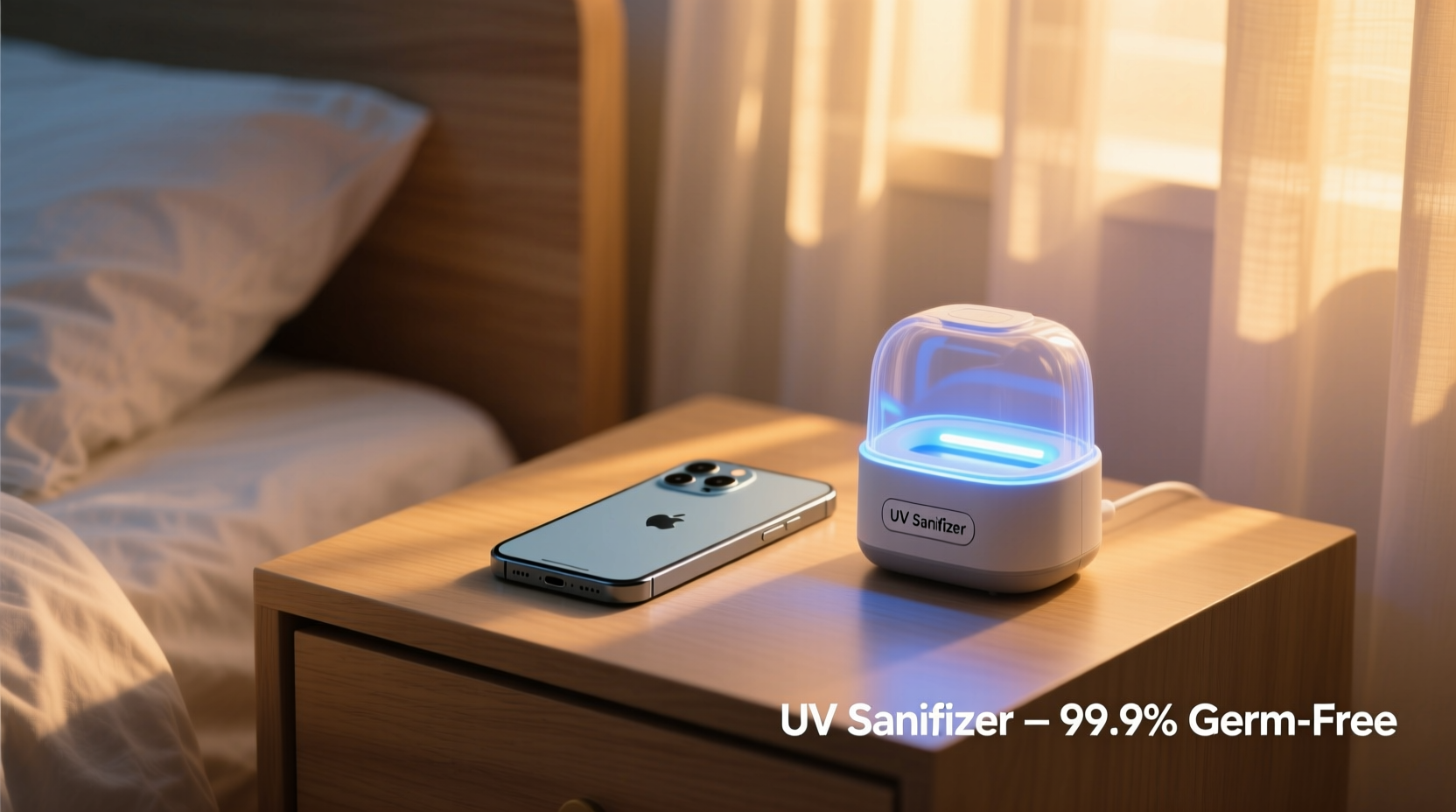
UV phone sanitizers use ultraviolet-C (UVC) light, a short-wavelength type of ultraviolet radiation known for its germicidal properties. When microorganisms like bacteria, viruses, and mold are exposed to UVC light at the right intensity and duration, their DNA or RNA is damaged, rendering them unable to replicate and effectively killing them.
Most consumer-grade UV sanitizers designed for phones emit UVC light in a closed chamber. You place your phone inside, close the lid, and let the device run for 3–10 minutes. During this time, the light penetrates surfaces and neutralizes pathogens. Unlike wipes or sprays, UV sanitizers don’t require physical contact or leave behind residue, making them appealing for people who want a hands-off cleaning method.
However, not all UV sanitizers are created equal. The effectiveness depends on several factors: the wavelength of the light (ideally around 254 nm), exposure time, distance from the light source, and whether shadows or crevices block direct exposure.
Evaluating Effectiveness: What the Science Says
Multiple studies support the germ-killing capability of UVC light. A 2020 study published in The American Journal of Infection Control found that UVC devices reduced surface contamination on mobile phones by over 99% when used correctly. Another study from the University of Arizona discovered that the average phone carries 25,127 bacteria per square inch—making regular disinfection potentially valuable.
Still, real-world performance varies. While lab conditions ensure optimal exposure, home use introduces variables: phone cases, camera bumps, screen protectors, and uneven surfaces can create shadow zones where light doesn’t reach. If your phone has a thick case, you might need to remove it for full sanitation—a step many users skip.
“UVC is effective against a broad spectrum of pathogens, including E. coli, Salmonella, and certain coronaviruses—but only if the light makes direct contact.” — Dr. Lena Patel, Microbiologist and Public Health Consultant
Additionally, UVC does not clean dirt or grease. It kills microbes but won’t remove fingerprints or grime. For best results, experts recommend wiping your phone with a microfiber cloth before using a UV sanitizer.
Benefits vs. Limitations: A Balanced View
Like any tech product, UV phone sanitizers come with trade-offs. Understanding both sides helps determine whether they fit your needs.
| Advantages | Drawbacks |
|---|---|
| Kills up to 99.9% of common germs without chemicals | Ineffective in shadowed areas (e.g., under buttons or ports) |
| Fast process—typically 3–10 minutes | May degrade phone materials over time (e.g., rubber seals, coatings) |
| No residue or moisture exposure | Requires consistent user compliance to be effective |
| Doubles as a charging station in hybrid models | Initial cost ($30–$100) may not justify benefits for low-risk users |
| Safe for daily use when properly designed | Potential safety risks if UVC leaks (look for auto-shutoff features) |
The most compelling benefit is peace of mind. If you frequently share your phone, use it in high-contamination environments (like hospitals, gyms, or daycare centers), or live with immunocompromised individuals, the added layer of protection may be worthwhile.
On the other hand, if you already wipe your phone weekly with alcohol-based wipes and practice good hand hygiene, a UV sanitizer might offer diminishing returns. It’s also important to note that while UV light kills many pathogens, it’s less effective against bacterial spores and some drug-resistant strains unless exposure is prolonged.
Integrating UV Sanitization Into Your Nightly Routine
One reason UV sanitizers appeal to consumers is their compatibility with existing habits. Many models combine wireless charging with disinfection, allowing you to sanitize and charge simultaneously overnight. This dual functionality reduces friction and increases the likelihood of consistent use.
Here’s a realistic step-by-step timeline for incorporating a UV sanitizer into your evening routine:
- 8:00 PM – Unplug and prep: Remove your phone from your pocket or bag. Take off the case if possible.
- 8:05 PM – Quick wipe: Use a dry microfiber cloth to remove dust and oils from the screen and back.
- 8:10 PM – Load the sanitizer: Place the phone (and case, if desired) inside the UV chamber. Close the lid securely.
- 8:10–8:15 PM – Activate: Press start. Some models begin automatically when closed.
- Overnight: The device runs its cycle, then switches to wireless charging mode (if equipped).
- Morning: Retrieve a clean, fully charged phone ready for the day.
This seamless integration makes the habit sustainable. Unlike sporadic cleaning with wipes, nightly sanitization becomes passive—something you do without thinking.
Real-World Example: A Busy Parent’s Experience
Sarah, a mother of two in Seattle, started using a UV phone sanitizer after her toddler repeatedly got sick during winter months. “I noticed my phone was always near the changing table, the kitchen counter, and even in the playroom,” she said. “I’d wipe it occasionally, but I knew it wasn’t enough.”
She invested in a combo UV charger and began using it every night. Within three months, she observed fewer instances of illness spreading through the household. “It’s hard to prove cause and effect, but I feel more confident knowing my phone isn’t a germ highway,” she explained. “Plus, having it charge and clean at the same time made it easy to stick with.”
Her pediatrician didn’t recommend the device outright but acknowledged that reducing environmental pathogens can support overall hygiene—especially in homes with young children.
What to Look for When Buying a UV Sanitizer
Not all UV sanitizers deliver the promised results. To ensure you’re getting a functional, safe product, consider these key features:
- True UVC Wavelength: Confirm the device uses UVC light around 254 nm. Avoid \"UV\" claims without specifying the type—some use ineffective UVA LEDs.
- Reflective Interior: A mirrored or reflective chamber ensures light bounces evenly across all surfaces.
- Coverage Time: Opt for models with cycles of at least 5 minutes. Shorter bursts may not provide adequate exposure.
- Safety Features: Look for automatic shutoff when opened and no light leakage. UVC can harm eyes and skin with direct exposure.
- Size & Compatibility: Ensure the chamber fits your phone—even large models with cases.
- Charging Integration: Dual-function units save space and encourage nightly use.
Avoid no-name brands on discount marketplaces. Reputable options include brands like PhoneSoap, HoMedics, and Violife, which publish third-party lab test results verifying their disinfection claims.
Frequently Asked Questions
Can UV sanitizers damage my phone?
Prolonged or intense UVC exposure may degrade certain materials over time, such as rubber seals, oleophobic screen coatings, or plastic finishes. However, most modern sanitizers use controlled doses unlikely to cause noticeable damage within a phone’s typical lifespan. To minimize risk, follow manufacturer guidelines and avoid leaving your phone in the device for extended periods beyond the recommended cycle.
Do I still need to clean my phone manually?
Yes. UV light kills germs but doesn’t remove dirt, oil, or debris. For optimal hygiene, wipe your phone with a soft, lint-free cloth before sanitizing. If visibly dirty, use a small amount of 70% isopropyl alcohol on a cloth (not directly on the phone) to clean first.
Are UV sanitizers effective against viruses like the flu or coronavirus?
Studies show UVC light can inactivate enveloped viruses—including influenza and SARS-CoV-2—when applied at sufficient intensity and duration. Lab tests on specific UV phone sanitizers have demonstrated over 99% reduction of viral particles. However, real-world effectiveness depends on proper usage and device quality.
Action Checklist: Is a UV Sanitizer Right for You?
Use this checklist to evaluate whether adding a UV phone sanitizer to your nightly routine makes sense:
- ✅ Do you frequently use your phone in high-touch or unclean environments (gyms, public transit, hospitals)?
- ✅ Do you share your phone with others (family, coworkers, kids)?
- ✅ Are you or someone in your household immunocompromised or prone to illness?
- ✅ Do you already charge your phone overnight and want to add hygiene without extra effort?
- ✅ Are you willing to remove your phone case or clean crevices occasionally for full effectiveness?
- ❌ Do you rarely touch your phone after washing hands and keep it in clean environments?
- ❌ Are you on a tight budget and already practice regular manual cleaning?
If you answered “yes” to three or more of the first six, a UV sanitizer could be a smart addition. If the last two resonate more, your current habits may already be sufficient.
Final Thoughts: Worth It for Some, Not All
UV phone sanitizers aren’t essential for everyone, but they serve a meaningful niche. For those seeking an effortless way to reduce microbial load on a high-contact object, especially when combined with charging, they offer real value. They’re particularly beneficial in households with children, healthcare workers, frequent travelers, or anyone prioritizing preventative hygiene.
That said, they’re not a substitute for basic cleanliness. No gadget replaces the importance of handwashing, avoiding phone use during meals or in restrooms, and occasional physical cleaning. UV sanitizers work best as part of a broader hygiene strategy—not a standalone solution.
If you decide to try one, invest in a well-reviewed model with proven UVC output and safety features. Use it consistently, ideally every night, and pair it with simple cleaning habits for maximum impact.




 浙公网安备
33010002000092号
浙公网安备
33010002000092号 浙B2-20120091-4
Comments
No comments yet. Why don't you start the discussion?