
The desire to make a bold fashion statement on the arm—whether through jewelry or body art—is timeless. From ancient civilizations using armbands as symbols of status to modern-day ink enthusiasts expressing identity through tattoos, the upper limb has always been a canvas for self-expression. But what if you want that striking aesthetic without locking yourself into a lifelong decision? That’s where the choice between an arm ring and a tattoo becomes more than just stylistic—it becomes about flexibility, maintenance, and personal evolution.
An arm ring, often referred to as an upper arm cuff or bangle, offers instant impact with zero permanence. A tattoo, meanwhile, is a permanent alteration of the skin, rich in meaning but irreversible without costly removal procedures. For those drawn to the edgy, tribal, or bohemian look associated with arm tattoos, yet hesitant about permanency, an arm ring presents a compelling alternative. This article breaks down the real differences, explores aesthetic outcomes, and helps you decide which option delivers the desired look—without the long-term obligation.
Aesthetic Comparison: Visual Impact and Style Flexibility
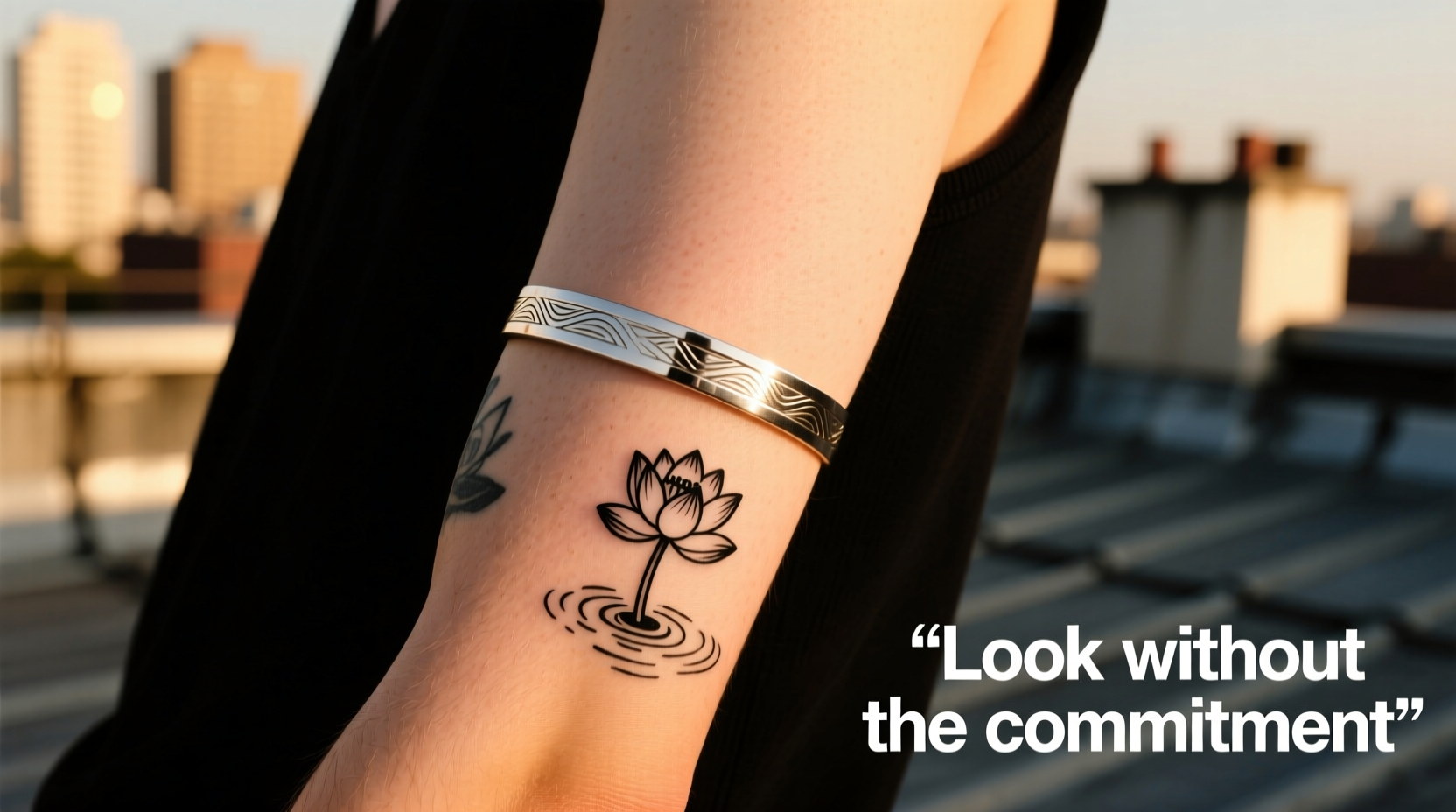
When it comes to visual presence, both arm rings and tattoos can command attention. Tattoos often feature intricate designs—geometric patterns, floral wraps, or symbolic motifs—that coil around the bicep or forearm. They blend with the body’s natural movement and can be customized to fit muscle contours, creating a seamless extension of the wearer’s identity.
Arm rings, particularly wide metallic cuffs or layered chain styles, replicate this wrapping effect with remarkable realism. Modern designs use flexible metals, textured surfaces, and engraved details that mimic the shading and depth of tattoo artwork. Unlike tattoos, however, arm rings are removable, adjustable, and interchangeable. One day you might wear a sleek silver band for a minimalist vibe; the next, a bold gold tribal cuff for a dramatic evening look.
Style flexibility is where arm rings pull ahead. Tattoos are static. Once inked, the design remains unchanged unless altered by fading, touch-ups, or cover-ups. Arm rings allow experimentation—switching from delicate to bold, matching to your outfit or mood. This adaptability makes them ideal for evolving tastes or temporary trends.
Commitment Level and Long-Term Implications
The most defining difference lies in permanence. A tattoo is a lifelong commitment. Even with laser removal—which is expensive, painful, and rarely 100% effective—the memory of ink lingers beneath the skin. Tattoos also age: lines blur, colors fade, and placement shifts slightly with weight changes or skin elasticity over time.
In contrast, an arm ring requires no medical procedure, healing period, or pain. It’s as simple as slipping on a bracelet. There’s no risk of allergic reactions to ink, infection, or regret after impulsive decisions made at 23 that feel out of place at 35. You can wear it daily, occasionally, or not at all—your choice, your control.
“Tattoos are powerful forms of storytelling, but they should only be chosen when the meaning outweighs the fear of change.” — Dr. Lena Torres, Dermatologist & Cosmetic Advisor
For professionals in conservative industries—law, finance, education—an arm ring offers discretion. Remove it during work hours, then wear it freely in personal settings. Tattoos, especially visible ones, can still carry stigma in certain workplaces despite growing acceptance.
Cost, Maintenance, and Practicality
Initial cost varies significantly. A high-quality custom tattoo from a reputable artist ranges from $150 to $800 depending on size and complexity. Add aftercare products, potential touch-ups, and future removal (averaging $200–$500 per session), and the financial investment grows over time.
Arm rings, while varying in price, offer better long-term value. A well-made stainless steel or titanium cuff costs between $40 and $150 and lasts for years with basic care. No recurring expenses. No healing creams or doctor visits. Just occasional polishing and storage in a dry place.
| Factor | Arm Ring | Tattoo |
|---|---|---|
| Initial Cost | $40–$150 | $150–$800+ |
| Pain Involved | None | Moderate to high |
| Lifespan | Years (with care) | Lifetime |
| Removability | Instant | Nearly impossible |
| Maintenance | Occasional cleaning | Sun protection, moisturizing, touch-ups |
Real-World Example: Maya’s Decision
Maya, a 28-year-old graphic designer, wanted a bold henna-inspired arm tattoo she’d seen on social media. She loved the cultural elegance and artistic flow. But working with corporate clients, she worried about perception. Instead of committing to ink, she invested in a handcrafted brass arm cuff with intricate filigree detailing.
She wore it to creative meetings and events, receiving frequent compliments. When meeting conservative clients, she simply removed it. Over six months, her taste evolved—she began preferring simpler lines. She swapped the ornate cuff for a sleek black metal band, achieving a fresh look without any regret or need for correction. The arm ring gave her the aesthetic thrill without the emotional weight of permanence.
How to Choose the Right Arm Ring for a Tattoo-Like Effect
Not all arm rings convincingly mimic tattoos. To achieve that authentic, worn-on-the-skin illusion, follow these steps:
- Opt for close-fitting cuffs: Choose bands that sit snug against the arm without sliding. Flexible hinge cuffs or magnetic closures work best.
- Select textured finishes: Hammered, brushed, or engraved metals create shadows similar to tattoo shading.
- Match your skin tone: Rose gold flatters warmer complexions; platinum or white metal suits cooler tones. Black zirconium mimics dark ink.
- Consider width: 1.5 to 2 inches wide creates the most convincing wrap-around effect.
- Layer for depth: Combine multiple thin rings above and below the main cuff to simulate a full sleeve.
Frequently Asked Questions
Can an arm ring really look like a tattoo?
Yes—especially wide, dark-finished cuffs with detailed engravings. From a moderate distance, many people mistake them for permanent ink. Up close, the metallic shine reveals the truth, but the overall aesthetic impact remains strong.
Do arm rings damage the skin?
Generally, no. High-quality materials like surgical steel, titanium, or nickel-free alloys are safe for prolonged wear. However, avoid wearing tight cuffs 24/7 to prevent friction irritation or restricted circulation.
Are temporary tattoos a good middle ground?
They can be. High-end transfers or airbrush tattoos last 1–2 weeks and offer realistic detail. But they lack durability—they smudge, fade, and don’t survive swimming or heavy sweating. An arm ring wins in longevity and reusability.
Final Verdict: Look Bold Without Being Bound
If your goal is a striking arm accent without irreversible commitment, the arm ring is the superior choice. It delivers instant style, allows constant reinvention, and eliminates the risks tied to permanent body modification. While tattoos hold deep personal and cultural significance for many, they aren’t the only way—or even the best way—to achieve a powerful visual statement.
Arm rings empower you to explore identity, test aesthetics, and respond to life’s changing chapters—all without needles or regrets. Whether you're testing a bold new persona, navigating professional expectations, or simply love rotating your accessories, the arm ring offers freedom that ink cannot.




 浙公网安备
33010002000092号
浙公网安备
33010002000092号 浙B2-20120091-4
Comments
No comments yet. Why don't you start the discussion?