
When it comes to organizing a small or cluttered bathroom, every inch of space matters. One common dilemma homeowners face is choosing between a bathroom tray and a shower caddy. At first glance, the decision might seem trivial—after all, both hold toiletries. But dig deeper, and you’ll find that each option impacts functionality, hygiene, aesthetics, and even daily routines in meaningful ways. The promise of “extra counter space” with a bathroom tray sounds appealing, but is it truly worth sacrificing the convenience and moisture control a shower caddy offers?
This guide breaks down the trade-offs, compares real-world performance, and helps you decide which solution aligns with your lifestyle, bathroom layout, and long-term maintenance goals.
Understanding the Basics: What’s the Difference?
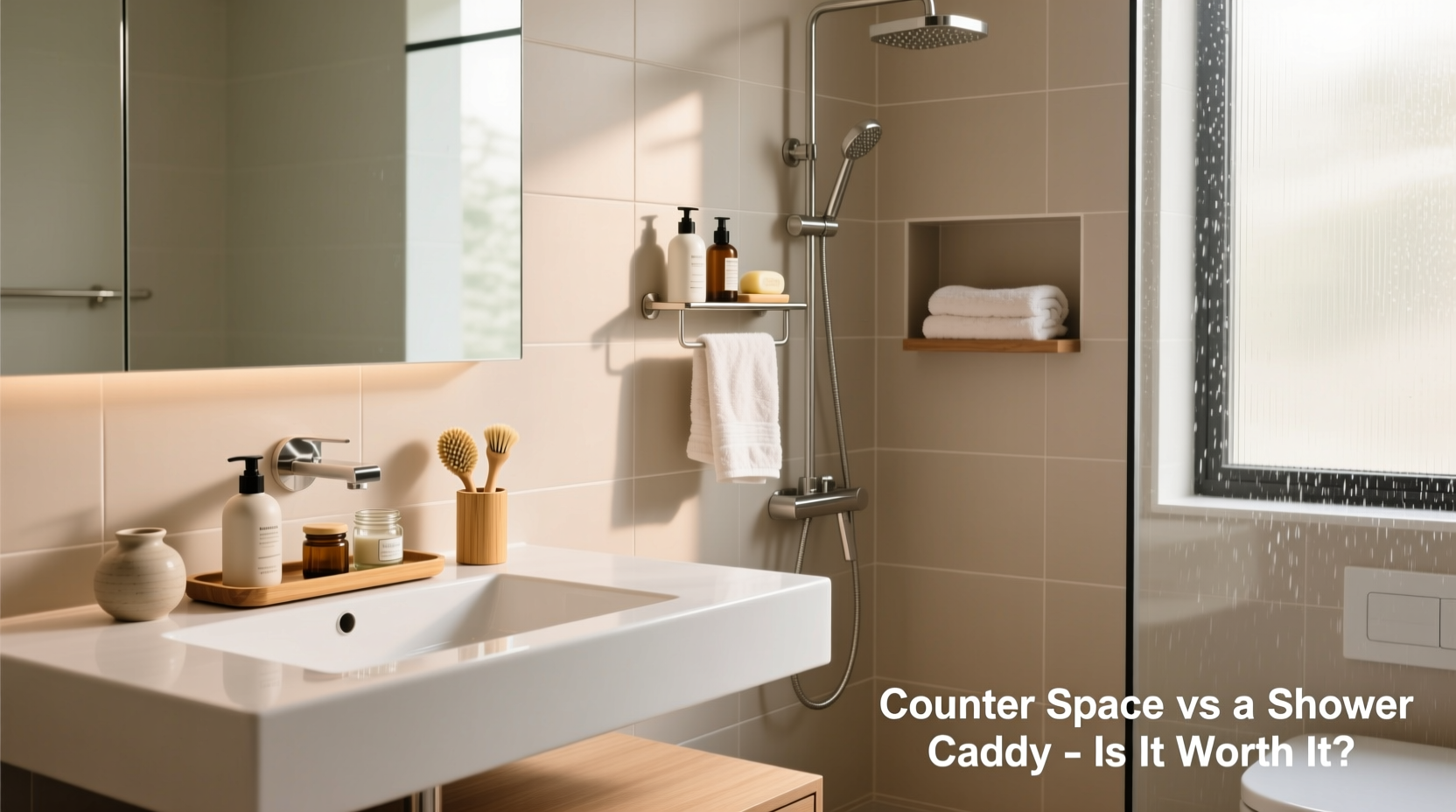
A bathroom tray is typically a flat, open container placed on the sink counter, bathtub edge, or shelf. It holds items like soap, toothbrushes, lotions, and razors outside the shower. These trays come in materials such as wood, marble, ceramic, or bamboo and are often chosen for their decorative appeal.
In contrast, a shower caddy hangs inside the shower—either from the showerhead, tension rod, or mounted to the wall—and stores shampoo, conditioner, body wash, and scrubbing tools where they’re used. Most are made of rust-resistant metals, plastic, or silicone and designed to withstand constant exposure to water.
The core difference lies in location and purpose: one prioritizes surface aesthetics and dry storage; the other emphasizes functional, in-shower access.
Pros and Cons: A Practical Comparison
| Feature | Bathroom Tray | Shower Caddy |
|---|---|---|
| Counter Space Impact | Uses valuable counter or ledge space; can create clutter if oversized | Frees up counter space by moving storage into the shower |
| Hygiene & Moisture Control | Items stay dry, reducing mold risk—but damp bottles can stain surfaces | Constant moisture increases mildew risk; requires frequent cleaning |
| Aesthetic Appeal | High—can elevate bathroom decor with stylish materials | Limited—most prioritize function over form |
| Accessibility During Shower | Poor—you must step out to reach products | Excellent—everything within arm’s reach |
| Maintenance Needs | Low—wipe down weekly; avoid water pooling | High—must clean monthly to prevent mold and mineral buildup |
| Durability | Varies—natural materials degrade if wet; ceramics chip | Generally high—designed for wet environments |
Real-Life Scenario: The Morning Routine Test
Consider Sarah, a working professional living in a compact apartment with a walk-in shower and minimal countertop space. She previously used a marble bathroom tray on her tub ledge to store her skincare products. While it looked elegant in Instagram photos, she found herself constantly stepping out of the shower to grab her face wash or conditioner—disrupting her routine and cooling the water.
After switching to a stainless steel corner-mounted shower caddy, she gained immediate access to all products mid-shower. Though she missed the visual charm of the tray, she appreciated the efficiency and reclaimed her tub ledge for shaving or foot baths. Over time, she noticed less product waste (fewer dropped bottles) and faster mornings.
Sarah’s experience highlights a key insight: aesthetic appeal doesn’t always translate to practical value. For busy individuals, accessibility often outweighs design.
“Storage solutions should serve the user, not just the room. A beautiful tray that forces you to disrupt your routine isn’t efficient—it’s decorative compromise.” — Lena Patel, Interior Designer & Wellness Space Consultant
Step-by-Step: How to Choose the Right Option for Your Bathroom
- Assess Your Shower Layout: Do you have wall space, a shower rod, or a showerhead mount available? If not, a caddy may not be feasible.
- Evaluate Counter Space: Measure your available surface area. If counters are already crowded, relocating items to a caddy makes sense.
- Consider Your Routine: Do you use multiple products during your shower? If yes, a caddy improves flow. If you mostly wash hands or brush teeth, a tray suffices.
- Check Ventilation and Humidity: High-humidity bathrooms promote mold. If yours lacks proper ventilation, avoid porous tray materials like untreated wood.
- Test Hygiene Tolerance: Are you diligent about cleaning? Caddies need monthly wipe-downs. If maintenance feels burdensome, opt for low-effort trays.
- Match to Your Style Goals: Going for a spa-like, minimalist look? Sleek trays enhance that. Preferring utilitarian efficiency? A streamlined caddy blends better.
When a Bathroom Tray Makes Sense
Bathroom trays shine in specific situations:
- You have ample counter or vanity space and want to display curated products like artisan soaps or luxury skincare.
- Your shower is used briefly (e.g., quick rinse), minimizing the need for in-shower access.
- You prioritize a clean, uncluttered shower interior and dislike hanging hardware.
- You live alone or have limited products, making consolidation easy.
They also work well in powder rooms or guest bathrooms where showers aren’t used daily, reducing moisture exposure.
When a Shower Caddy Is the Smarter Choice
A caddy becomes essential when:
- Counter space is extremely limited (common in urban apartments).
- Multiple people share the bathroom and use various hair and body products.
- Your shower routine is lengthy or involves exfoliation, masks, or shaving.
- You frequently drop bottles on the floor, creating a safety hazard.
Modern caddies now offer design upgrades—matte black finishes, adjustable shelves, and magnetic organizers—bridging the gap between utility and style.
FAQ: Common Questions Answered
Can I use both a bathroom tray and a shower caddy?
Absolutely. Many people use a caddy for in-shower essentials (shampoo, loofah) and a tray for post-shower items (lotion, razor, oral care). This hybrid approach maximizes both functionality and aesthetics.
Do shower caddies damage tile or grout?
Poorly installed suction-cup models can loosen over time and scratch surfaces when they fall. Opt for tension rod or wall-mounted caddies with protective pads to avoid damage.
Are bathroom trays hygienic?
They can be—if maintained properly. Wipe them daily, ensure bottles are dry before placing them, and avoid leaving wet sponges or loofahs on the tray. Porous materials require more vigilance.
Final Verdict: Is the Extra Counter Space Worth It?
The allure of extra counter space is strong, especially in small bathrooms where every square inch counts. However, space savings alone shouldn’t dictate your decision. The real question is: what do you gain—and lose—by moving storage out of the shower?
If you value uninterrupted routines, reduce product waste, and minimize floor clutter, a shower caddy likely offers greater long-term benefits than the marginal surface gain from a tray. On the other hand, if your bathroom doubles as a personal sanctuary and you cherish a serene, styled aesthetic, a well-maintained tray can contribute meaningfully to your environment.
The most effective solution often lies in balance. Consider a minimalist caddy for essentials and a small tray for post-shower rituals. This way, you preserve counter space without sacrificing convenience.
“Functionality and beauty aren’t mutually exclusive. The best bathrooms integrate both—storage that works as hard as it looks good.” — Marcus Lin, Sustainable Home Design Expert
Take Action Today
Don’t let indecision lead to continued clutter. Evaluate your current setup: Are you constantly reaching, slipping on dropped bottles, or wiping mildew off a neglected tray? Small changes yield big improvements in daily comfort and long-term organization.
Try a 7-day experiment: switch from tray to caddy (or vice versa) and track how it affects your routine. Note time saved, ease of access, and cleaning effort. At the end of the week, ask yourself: did this change make my bathroom work better for me?




 浙公网安备
33010002000092号
浙公网安备
33010002000092号 浙B2-20120091-4
Comments
No comments yet. Why don't you start the discussion?