
At first glance, a beach bag and a pool bag might seem interchangeable—both carry towels, sunscreen, and flip-flops to water-based destinations. But dig a little deeper, and subtle yet significant differences emerge in design, material, function, and longevity. Whether you're packing for a seaside getaway or heading to the local swim club, understanding these distinctions can save you time, protect your belongings, and extend the life of your gear.
Key Differences Between Beach Bags and Pool Bags
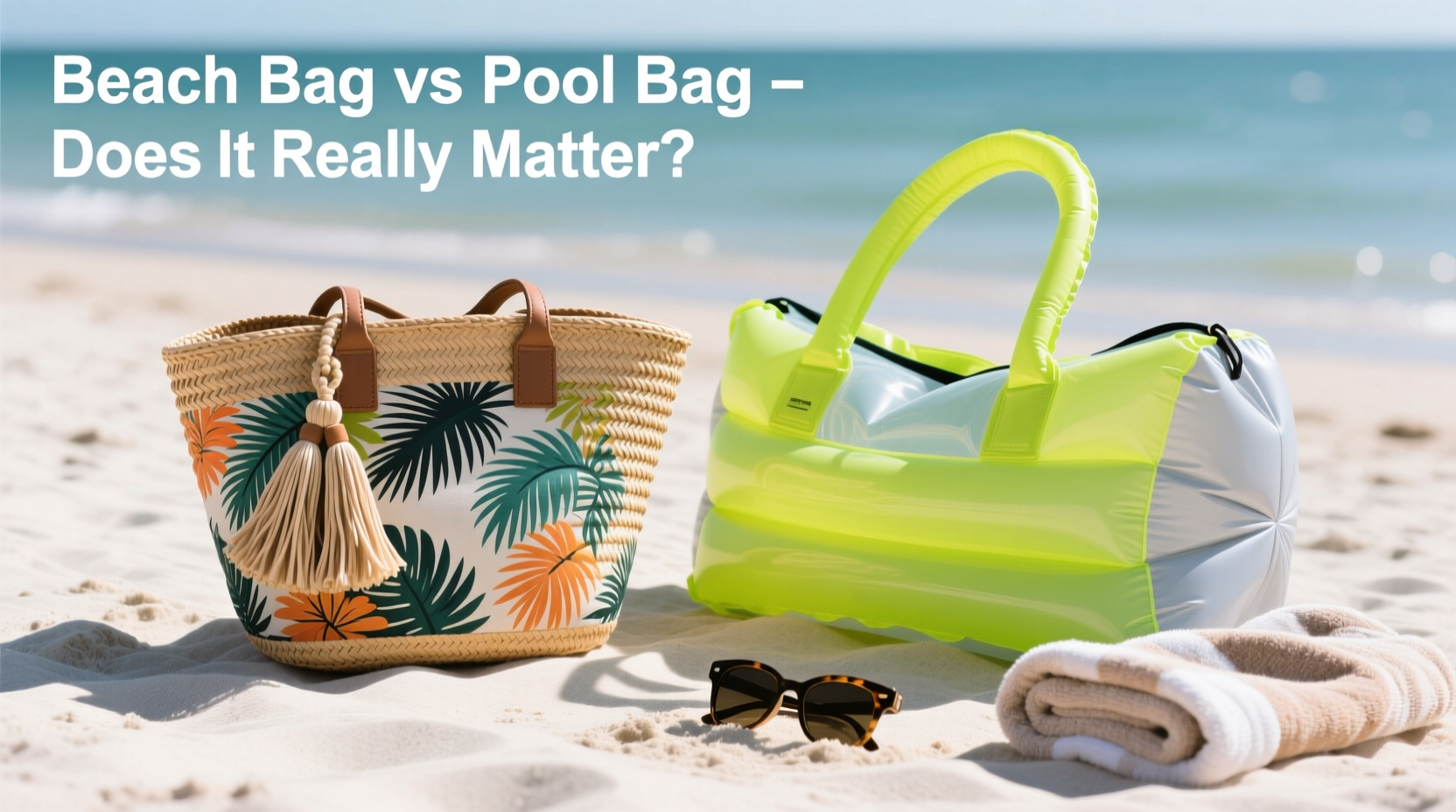
The environments they serve shape their construction. A beach bag is built for sand, saltwater, sun exposure, and longer excursions. It often features larger capacity, sand-resistant materials like woven polypropylene or heavy-duty canvas, and exterior pockets for quick access to essentials. Some even come with built-in cooler compartments or waterproof linings.
Pool bags, on the other hand, are typically designed for shorter trips to chlorinated pools. They prioritize quick-dry fabrics, compactness, and ease of storage. Many pool bags include separate wet/dry compartments to isolate damp swimsuits from dry items—a feature less common in traditional beach totes.
While both may look similar, their functional focus diverges. Using the wrong bag in the wrong setting can lead to faster wear, mold growth, or damaged contents.
Material Matters: What Your Bag Is Made Of
The choice of fabric determines how well a bag performs under stress. Beach bags frequently use:
- Rattan or straw weave – stylish but not ideal for wet conditions; best for fashion over function.
- Durable canvas – breathable and strong, though it absorbs moisture unless coated.
- Synthetic weaves (polyester, nylon, polypropylene) – highly resistant to water, UV rays, and abrasion, making them top picks for sandy shores.
Pool bags lean toward lightweight synthetics engineered for rapid drying. Look for terms like “mesh ventilation,” “anti-microbial lining,” or “chlorine-resistant coating.” These features prevent mildew and reduce odor after repeated exposure to dampness.
“Not all water-friendly bags are created equal. A true beach-ready tote must resist both UV degradation and abrasive sand particles.” — Lena Torres, Outdoor Lifestyle Product Designer
Functional Design: Capacity, Compartments, and Carry Style
Capacity is where beach and pool bags diverge most visibly. A typical beach bag ranges from 15 to 30 liters, accommodating multiple towels, snacks, books, toys, and even small coolers. Handles are often reinforced, and some models include shoulder straps or backpack-style carriers for hands-free transport across long stretches of sand.
Pool bags usually max out around 12–18 liters. Their streamlined design emphasizes portability and locker compatibility. Many include interior organization systems: zippered pockets for goggles, phone sleeves, and ventilated sections specifically for wet gear.
Consider this comparison:
| Feature | Beach Bag | Pool Bag |
|---|---|---|
| Average Capacity | 18–30L | 10–18L |
| Wet/Dry Compartment | Rare (unless premium model) | Common |
| Water Resistance | Moderate to high | High (with sealed seams) |
| Sand Resistance | High (wide base, smooth interior) | Low to moderate |
| Drying Speed | Slower (denser materials) | Faster (mesh panels, thin liners) |
Can You Use One Bag for Both? Practical Scenarios
Yes—but with caveats. A large, well-designed pool bag with a waterproof liner can double as a minimalist beach tote if you’re traveling solo or for a short stay. Conversely, a rugged beach bag works at the pool, especially if you need space for extra clothes or equipment.
However, compromises exist. A bulky beach bag may not fit in standard gym lockers. And using a non-ventilated beach tote for wet swimsuits regularly invites mildew, especially if left in a damp bathroom or car trunk.
Mini Case Study: Sarah’s Summer Swap
Sarah, a fitness instructor who teaches aqua aerobics, initially used her oversized straw beach bag for daily pool sessions. Within two months, the lining developed a persistent mildew smell, and the straw began cracking from constant chlorine exposure. She switched to a compact, quick-dry nylon pool bag with a ventilated wet compartment. Not only did it fit easily in her locker, but her gear stayed fresher, and the bag lasted three times longer. The lesson? Match the tool to the environment.
Choosing the Right Bag: A Step-by-Step Guide
Selecting between a beach and pool bag doesn’t have to be confusing. Follow this simple decision framework:
- Assess your primary destination: Are you mostly at sandy beaches or chlorinated pools?
- Evaluate your load: Do you carry towels, snacks, toys, and a cooler—or just a suit, towel, and goggles?
- Check storage needs: Will the bag live in a car trunk, garage, or indoor closet?
- Consider cleanup frequency: How easy is it to wipe down or rinse after use?
- Test ventilation: Does it have mesh panels or a way to air out wet items without cross-contamination?
- Review durability claims: Look for UV protection, reinforced stitching, and waterproof zippers if heading outdoors.
Expert-Recommended Checklist Before Buying
Use this checklist to ensure you're getting the right bag for your lifestyle:
- ✅ Has a dedicated wet compartment (especially for pool use)
- ✅ Made from quick-dry, chlorine- and UV-resistant materials
- ✅ Includes exterior pockets for keys, phone, or sunscreen
- ✅ Features wide, stable base to stand upright when packed
- ✅ Easy to clean—preferably machine-washable or wipeable
- ✅ Fits in your intended storage space (car, locker, shelf)
- ✅ Offers comfortable carry options (strap length, weight distribution)
Frequently Asked Questions
Can I use a beach bag for the pool every day?
You can, but frequent exposure to chlorine and trapped moisture may degrade natural fibers and cause odors. Opt for a synthetic, lined beach bag if dual-use is necessary, and always dry it thoroughly after each use.
Are waterproof pool bags safe for beach use?
Absolutely. Waterproofing is beneficial at the beach too, especially for protecting electronics or keeping dry clothes dry. Just ensure the bag has enough volume and durability to handle sand and wind exposure.
Do I need two separate bags?
It depends on usage. Casual users might manage with one versatile, mid-sized tote. Frequent travelers, families, or those spending extended hours outdoors benefit from owning both—a durable beach model and a hygienic, ventilated pool version.
Final Thoughts: Does It Really Matter?
Yes—it matters more than most people realize. While a single bag can technically serve both purposes, doing so often means sacrificing performance, longevity, or convenience. A well-chosen beach bag handles environmental extremes; a smart pool bag manages hygiene and compact efficiency. Recognizing the nuances helps you avoid frustration, reduce waste, and get better value from your purchases.
Investing in purpose-built gear isn’t about excess—it’s about intentionality. When your bag aligns with your routine, everything from packing to post-trip cleanup becomes simpler. And over time, that adds up to less stress, fewer replacements, and more enjoyment wherever water calls you.




 浙公网安备
33010002000092号
浙公网安备
33010002000092号 浙B2-20120091-4
Comments
No comments yet. Why don't you start the discussion?