
White sneakers are a wardrobe staple—versatile, stylish, and effortlessly cool. But when worn daily for commuting, they face constant exposure to dirt, moisture, pavement grime, and accidental scuffs. Without proper care, once-pristine soles turn gray, uppers develop yellowing, and laces become dingy. The good news: with the right routine, you can preserve their crisp appearance for months, even years. This guide outlines actionable strategies grounded in material science, cleaning best practices, and real-world habits that keep white sneakers looking newly purchased—no matter how many miles you log on foot.
Understand What Daily Commuting Does to Your Sneakers
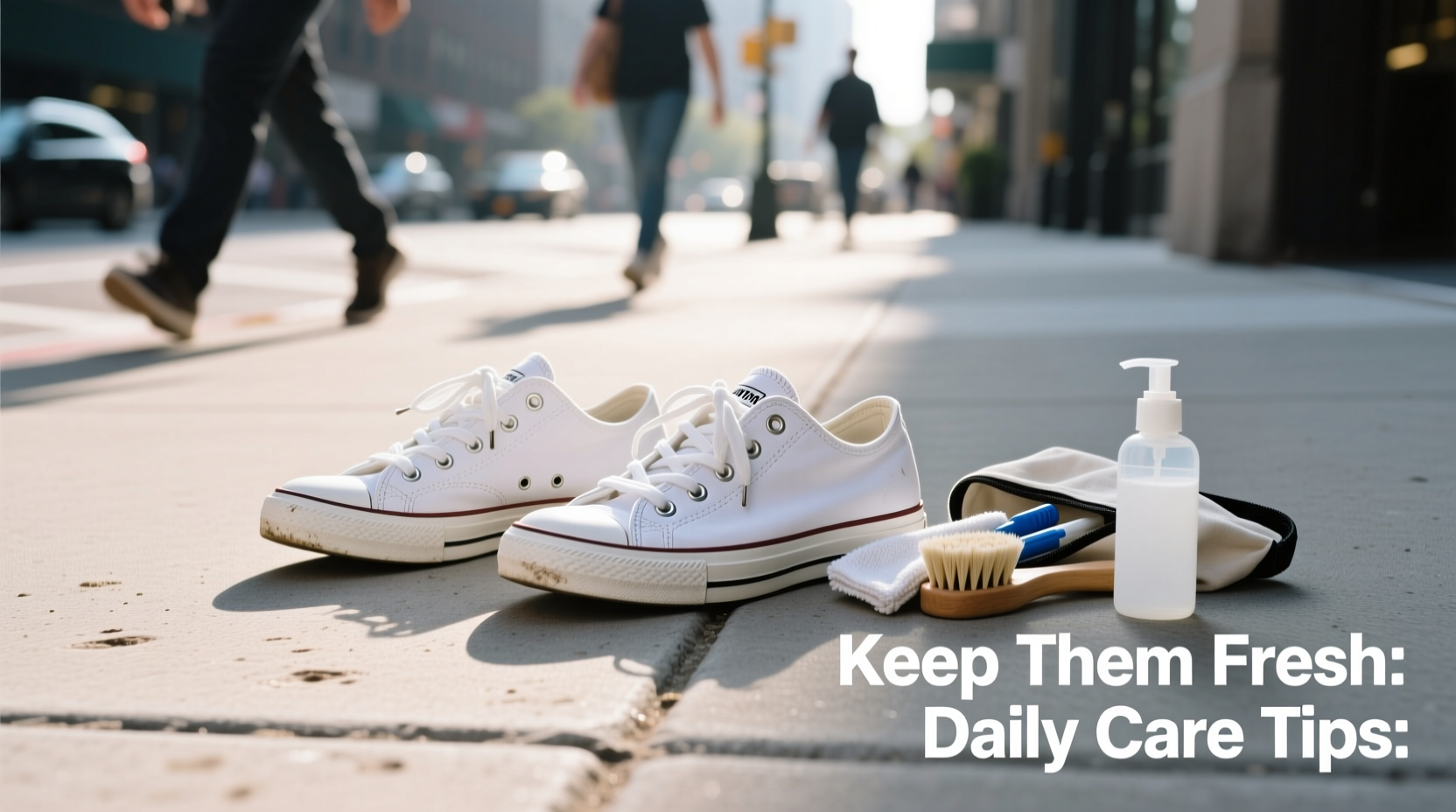
Daily wear subjects sneakers to a unique set of stressors. Unlike occasional footwear, commuter shoes endure repeated friction, moisture absorption, and environmental contaminants. Concrete sidewalks grind abrasive dust into the rubber soles. Morning dew or sudden rain seeps into fabric uppers. Airborne pollutants like exhaust residue settle into microfibers. Over time, these factors combine to dull color, degrade materials, and create stubborn stains.
The key is not to avoid wearing them—but to manage exposure and intervene early. Prevention is far more effective than restoration. Most discoloration begins subtly: a faint scuff here, a damp patch there. Left unchecked, these minor issues compound. By understanding the root causes of wear, you can tailor your maintenance approach accordingly.
Build a Sustainable Cleaning Routine
A consistent cleaning schedule prevents buildup and maintains freshness. Waiting until sneakers look dirty means you're already fighting advanced staining. Instead, adopt a tiered approach: quick wipe-downs after use, weekly surface maintenance, and monthly deep cleans.
Daily Maintenance (Post-Commute)
After returning home, take three minutes to inspect and clean. Use a dry microfiber cloth to remove loose dirt from the upper and midsole. For light marks on rubber, a magic eraser (melamine foam) works wonders—gently buff scuffed areas without damaging material. Avoid wet wipes with alcohol or bleach, which can degrade adhesives and discolor mesh.
Weekly Refresh
Once a week, perform a more thorough inspection. Remove laces and insoles to clean separately. Use a soft-bristled brush (an old toothbrush works perfectly) dipped in a mixture of lukewarm water and mild dish soap. Gently scrub high-contact zones: toe box, heel collar, and sole edges. Rinse the brush frequently to avoid spreading grime.
Monthly Deep Clean
Every four weeks, conduct a comprehensive clean. This includes:
- Soaking laces in a solution of oxygen-based cleaner (like OxiClean) and water for 30 minutes.
- Using a sneaker-specific cleaning gel for mesh, leather, or knit uppers.
- Scrubbing the midsole with a targeted whitening paste (baking soda + hydrogen peroxide).
- Rinsing thoroughly with a damp cloth—never submerge entire sneakers unless specified by the manufacturer.
- Stuffing with paper towels and air-drying away from direct heat or sunlight.
“Daily commuters should treat their sneakers like tools—they need upkeep just like any other essential gear.” — Marcus Lin, Footwear Care Technician at SoleRevive Labs
Material-Specific Care Strategies
Not all white sneakers are created equal. The cleaning method depends heavily on the upper material. Applying the wrong technique can cause irreversible damage.
| Material | Cleaning Method | Avoid |
|---|---|---|
| Leather | Wipe with damp cloth; condition quarterly with leather cream | Submerging in water, using vinegar, direct sunlight drying |
| Mesh/Fabric | Spot-clean with mild detergent; use oxygen cleaner for stains | Bleach, hot water, machine washing (unless labeled safe) |
| Knit (e.g., Primeknit, Flyknit) | Use soft brush and pH-neutral sneaker shampoo | Aggressive scrubbing, soaking, wringing |
| Suede/Nubuck | Brush with suede eraser or brass brush; use protector spray | Water exposure, standard detergents, heat |
When in doubt, consult the manufacturer’s care label. Brands like Adidas, Nike, and Common Projects provide detailed guidance based on proprietary materials. Ignoring these recommendations often leads to premature aging.
Protect Before You Wear: Preventative Measures
Cleaning is reactive. Protection is proactive. Apply preventative treatments before each wear cycle to minimize future effort.
- Water & Stain Repellent Spray: Use a silicone-free, breathable formula designed for footwear. Reapply every 3–4 weeks or after heavy rain exposure. These sprays create an invisible barrier that causes liquids to bead rather than soak in.
- Midsole Guards: Transparent protective films applied to the sidewall prevent yellowing caused by UV exposure and oxidation. Easy to install and nearly invisible, they’re ideal for runners and urban walkers.
- Shoe Trees or Stuffing: After wearing, insert cedar shoe trees or crumpled paper to maintain shape and absorb moisture. This reduces odor and prevents creasing that traps dirt.
Additionally, consider your route. If possible, avoid puddles, muddy sidewalks, or construction zones during rainy seasons. A five-minute detour can save hours of cleaning later.
Mini Case Study: Sarah’s 6-Month Commuter Test
Sarah, a graphic designer in Chicago, walks 45 minutes each way to work, year-round. Last winter, she bought a pair of white leather sneakers and expected them to last one season. Instead, after implementing a strict care regimen, they remained presentable for over 18 months.
Her routine: She applied a water-repellent spray biweekly, wiped down her shoes nightly with a dry cloth, and deep-cleaned them every month using a leather-safe foam cleaner. During snowy months, she switched to waterproof boots but kept her whites stored with silica gel packets to prevent humidity damage.
“I didn’t baby them,” she said. “I wore them in slush and rain. But because I cleaned them consistently, they never got past the ‘slightly dirty’ stage. People still ask where I bought them.”
Step-by-Step: How to Deep Clean White Sneakers (Safe Method)
Follow this timeline-tested process to restore whiteness without damaging materials.
- Remove laces and insoles – Soak laces in a bowl of warm water with a teaspoon of oxygen cleaner. Hand-wash insoles with mild soap and let air dry.
- Dry brush first – Use a soft brush to remove loose debris from the upper, tongue, and sole.
- Prepare cleaning paste – Mix 1 tablespoon baking soda, 1 tablespoon hydrogen peroxide (3%), and 1 tablespoon water into a thick paste.
- Apply to midsole and stained areas – Using a toothbrush, gently scrub the paste onto yellowed rubber. Avoid applying to glue seams or delicate fabrics.
- Clean upper separately – For non-leather uppers, use a sneaker-specific cleaning solution and circular motions. For leather, use a damp cloth and gentle wipe.
- Rinse with damp cloth – Never rinse under running water. Dampen a clean cloth and wipe off all residue.
- Air dry properly – Stuff shoes with paper towels to absorb moisture and maintain shape. Place in a well-ventilated area, out of direct sunlight. Allow 24 hours to dry completely.
- Reassemble and protect – Once dry, re-lace and apply a fresh coat of repellent spray.
This method has been validated by professional sneaker restorers and avoids common pitfalls like warping, glue breakdown, or fiber fraying.
Frequently Asked Questions
Why do white sneakers turn yellow?
Yellowing occurs due to oxidation (exposure to UV light), sweat absorption, improper drying (using direct heat), or chemical reactions from cleaning agents like chlorine. It’s most common on rubber midsoles and mesh collars. Prevent it with UV-protectant sprays and proper airflow during drying.
Can I use bleach on white sneakers?
No. Bleach breaks down fibers, weakens stitching, and often causes yellowing over time, especially on synthetic materials. While it may produce immediate whitening, the long-term damage outweighs short-term gains. Stick to oxygen-based cleaners or baking soda pastes instead.
How often should I replace the laces?
Laces typically last 3–6 months with daily use before becoming permanently stained. However, replacing them every few months with fresh white laces instantly refreshes the look of your sneakers. Keep a few spare pairs on hand for quick swaps.
Essential Checklist: Keep White Sneakers Fresh After Every Commute
Print or bookmark this checklist to stay consistent:
- ✅ Wipe down after each use with a dry microfiber cloth
- ✅ Inspect for scuffs or moisture accumulation
- ✅ Use a magic eraser on rubber marks (gentle pressure only)
- ✅ Rotate between at least two pairs to extend lifespan
- ✅ Apply water-repellent spray every 3–4 weeks
- ✅ Deep clean monthly using material-appropriate methods
- ✅ Store in a cool, dry place with stuffing to retain shape
- ✅ Replace laces when visibly dull or stained
“People overlook the cumulative effect of small habits. Five minutes a week beats eight hours of restoration later.” — Lena Torres, Sustainable Fashion Advocate
Final Thoughts: Make Freshness a Habit, Not a Chore
Keeping white sneakers fresh isn’t about perfection—it’s about consistency. The goal isn’t to walk on pristine surfaces or never get them dirty. It’s to build simple, repeatable habits that prevent deterioration before it starts. Think of your sneakers as an extension of your daily self-care: just as you wash your face or tidy your workspace, give your footwear a moment of attention.
With the right tools and timing, maintaining clean white sneakers becomes second nature. You’ll spend less time scrubbing and more time stepping out with confidence. Whether you’re dashing through subway stations or walking city blocks under gray skies, your sneakers can stay crisp, clean, and ready for whatever the day brings.




 浙公网安备
33010002000092号
浙公网安备
33010002000092号 浙B2-20120091-4
Comments
No comments yet. Why don't you start the discussion?