
For men who take pride in their beards, managing frizz and achieving a polished shape are daily priorities. Two staples dominate the grooming routine: beard oil and beard balm. While both enhance beard health and appearance, they serve distinct purposes. Choosing between them—or combining both—can make the difference between a wild, unruly beard and one that looks intentionally groomed. Understanding how each product works, what ingredients matter, and when to use them is essential for optimal results.
Understanding Beard Oil: Hydration and Softness
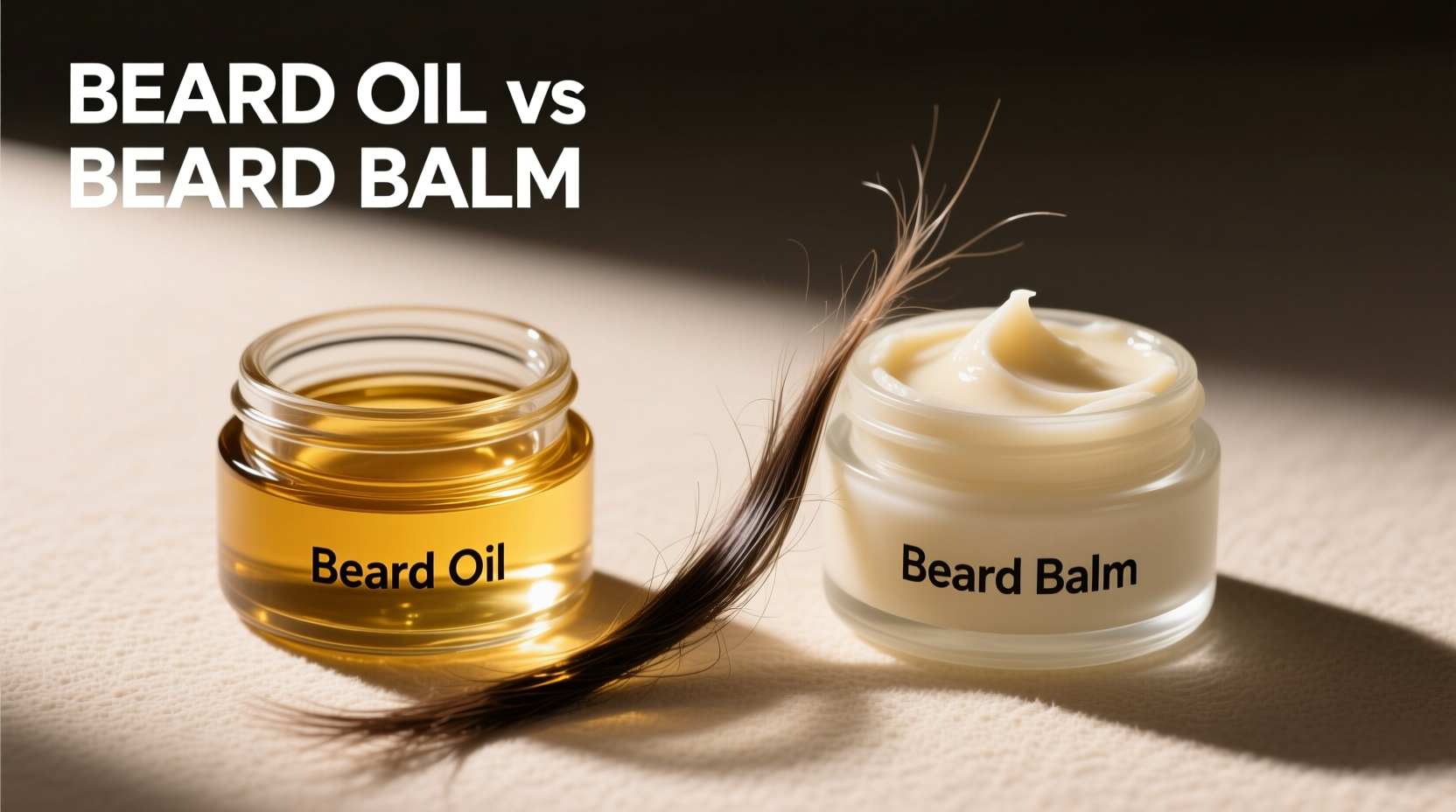
Beard oil is primarily a moisturizing agent. It’s formulated with carrier oils like jojoba, argan, or grapeseed oil, often blended with essential oils for scent. The main function of beard oil is to condition both the facial hair and the skin beneath it. As facial hair grows longer, it naturally becomes drier and coarser. Without proper hydration, this leads to brittleness, split ends, and increased frizz.
The lightweight nature of beard oil allows it to absorb quickly into the hair shaft and skin. This immediate absorption helps reduce itchiness during early beard growth and prevents flakiness (commonly known as “beardruff”). By restoring moisture balance, beard oil softens coarse hairs, making them less prone to flyaways and static.
However, while beard oil excels at nourishment and softening, it offers minimal hold. If your goal is to control stray hairs or sculpt a specific shape, beard oil alone may not suffice. It sets the foundation for a healthier beard but doesn’t lock it into place.
How Beard Balm Works: Hold, Shape, and Conditioning
Beard balm takes conditioning a step further by adding structure. It typically contains the same nourishing oils found in beard oil, but with added beeswax or shea butter. These natural waxes provide light to medium hold, allowing you to tame frizz, train wayward hairs, and define your beard’s outline—especially along the cheeks and neckline.
Because of its thicker consistency, beard balm acts as a styling aid. It smooths the surface of the hair, sealing in moisture while offering resistance against humidity and environmental stressors that contribute to frizz. Unlike heavy pomades or gels, quality beard balms avoid stiffness or residue, maintaining a natural look and feel.
Men with medium to long beards often find beard balm indispensable for daily shaping. Whether you're aiming for a sharp goatee, a full square jawline, or simply want to eliminate morning bed-head beard chaos, balm delivers practical control without sacrificing health.
“Beard balm is the bridge between skincare and hairstyling. It conditions like an oil but performs like a light pomade.” — Marcus Reed, Master Barber & Grooming Educator
Key Differences: Beard Oil vs Beard Balm
To determine which product better controls frizz and shapes facial hair, it's crucial to compare their core properties side by side.
| Feature | Beard Oil | Beard Balm |
|---|---|---|
| Primary Function | Hydrate hair and skin | Style and condition |
| Texture | Lightweight, liquid | Thick, creamy wax-like |
| Hold Level | None to very light | Light to medium |
| Frizz Control | Moderate (via softening) | High (via smoothing + hold) |
| Best For | Short to medium beards, dry skin, daily moisture | Medium to long beards, shaping, all-day control |
| Application Time | Morning or night, post-shower | Morning, for daytime styling |
This comparison shows that while both products help reduce frizz, beard balm provides superior control due to its structural components. However, using beard oil underneath enhances the effectiveness of balm by ensuring the hair is well-conditioned before styling.
Combining Both for Optimal Results
The most effective approach for controlling frizz and shaping a beard often involves using both products together. Think of beard oil as your base layer—applied first to hydrate and soften—and beard balm as the finishing touch that locks in moisture and adds definition.
A dual-product routine follows a simple logic: hydrated hair is easier to manage. When strands are brittle or dehydrated, even the strongest balm will struggle to keep them in place. Applying a few drops of beard oil ensures the hair cuticle is supple, reducing breakage and improving elasticity. Once absorbed, a small amount of balm can then be worked through the mid-lengths and ends to shape and seal.
Step-by-Step Routine for Frizz-Free, Shaped Beards
- Cleanse: Wash your beard with a mild beard shampoo 2–3 times per week to remove buildup without stripping natural oils.
- Towel Dry: Pat your beard gently with a towel after washing—never rub.
- Apply Beard Oil: Dispense 3–6 drops (depending on length) into palms, rub hands together, and massage into the beard and skin beneath.
- Comb Through: Use a wooden or boar-bristle brush to distribute oil evenly and detangle.
- Apply Beard Balm: Scoop a pea-sized amount, warm between fingers, and apply from mid-beard to tips, focusing on areas that need shaping.
- Style: Use a comb or brush to define your desired shape, taming stray hairs upward or outward as needed.
Real-World Example: From Frizzy to Framed
Consider James, a 34-year-old professional with a 4-inch beard. Despite regular washing, his beard consistently looked puffy and unshaped by midday. Flyaways framed his face, and his neckline blurred into his neck hair. He used only beard oil, believing hydration was enough.
After consulting a barber, he introduced beard balm into his morning routine. He continued using beard oil post-shower but added a dime-sized portion of balm once his beard was slightly damp. Using a comb, he defined his cheek line and trained downward-growing hairs to align with his jaw.
Within a week, colleagues commented on his “cleaner” look. More importantly, James noticed reduced frizz even in humid weather. His beard didn’t just feel better—it looked intentional. This case illustrates how combining hydration with light hold transforms appearance and confidence.
Choosing the Right Ingredients Matters
Not all beard oils or balms are created equal. The effectiveness of either product depends heavily on ingredient quality.
- Jojoba Oil: Mimics the skin’s natural sebum, making it ideal for preventing dryness without clogging pores.
- Argan Oil: Rich in vitamin E and fatty acids, it strengthens hair and reduces breakage.
- Sweet Almond Oil: Lightweight and nourishing, excellent for sensitive skin.
- Beeswax: Provides gentle hold in balms; look for filtered, food-grade varieties.
- Shea Butter: Deeply moisturizing and helps thicken balm for better shaping.
Avoid products with mineral oil, parabens, or synthetic fragrances, which can irritate skin or degrade hair quality over time. Opt for all-natural formulations whenever possible.
Frequently Asked Questions
Can I use beard balm every day?
Yes, beard balm is safe for daily use, especially if you have a medium to long beard. Daily application helps maintain shape and hydration. Just ensure you’re cleansing regularly to prevent product buildup.
Is beard oil enough for frizz control?
For short beards or those with naturally softer hair, beard oil may be sufficient. However, if you experience persistent flyaways or want a defined shape, adding balm significantly improves results. Oil softens, but balm controls.
Can I use beard balm without beard oil?
You can, but you may miss out on deep skin and hair conditioning. Balm contains oils, but not in the same concentrated, fast-absorbing form as liquid beard oil. For best health and appearance, use oil first, then balm.
Checklist: How to Choose Between Oil and Balm
- ✅ Assess your beard length: Short (under 1 inch) → oil may be enough; Medium/long → consider balm or both.
- ✅ Identify your main concern: Dryness → prioritize oil; Frizz/shaping → lean toward balm.
- ✅ Check your skin type: Oily skin? Use lighter oils like grapeseed. Dry skin? Try richer blends with argan or avocado oil.
- ✅ Test hold needs: Run fingers through beard—if it falls flat or frizzes easily, balm will help.
- ✅ Review ingredients: Avoid harsh chemicals; choose natural, non-comedogenic options.
- ✅ Experiment with layering: Try oil + balm combo for complete care.
Final Verdict: Which Controls Frizz and Shapes Better?
When it comes to controlling frizz and shaping facial hair, **beard balm is the clear winner**. Its formulation includes natural waxes that physically tame loose hairs and create a smooth, uniform surface. While beard oil plays a vital role in reducing frizz at the root level by improving hair texture, it lacks the structural support needed for lasting shape.
That said, dismissing beard oil would be a mistake. A healthy beard starts with hydration. Without it, even the best balm will struggle to deliver a polished look. The synergy between the two products creates a grooming system that addresses both internal health and external presentation.
For men seeking maximum frizz control and precise shaping, the ideal solution isn't choosing one over the other—it's using both in tandem. Apply beard oil first to nourish, then follow with beard balm to style. This layered approach ensures your beard stays soft, manageable, and sharply defined throughout the day.
“The right combination of oil and balm can elevate a beard from ‘just growing it’ to a signature part of your identity.” — Daniel Kim, Founder of Timber & Tide Grooming Co.
Take Action Today
Your beard reflects your discipline and attention to detail. Whether you're growing your first beard or refining a long-standing style, upgrading your routine with the right products makes a visible difference. Start tonight: wash your beard, apply a few drops of quality oil, and let it absorb overnight. Tomorrow morning, add a small amount of balm and shape it with intention. Notice the change in texture, control, and confidence.




 浙公网安备
33010002000092号
浙公网安备
33010002000092号 浙B2-20120091-4
Comments
No comments yet. Why don't you start the discussion?