
For pet owners with dogs who treat toys like disposable snacks, finding something that survives more than a few minutes of enthusiastic chewing feels like a myth. Yet durable dog toys do exist — they just require careful selection based on material, design, and your dog’s specific chewing habits. Too many products marketed as “indestructible” fail within hours, leaving shredded plastic, exposed stuffing, or worse — hazardous fragments in your dog’s mouth. This guide cuts through the marketing hype to spotlight toys proven to withstand powerful jaws, relentless gnawing, and obsessive chewing. Whether you own a German Shepherd, Pit Bull, Rottweiler, or an unexpectedly destructive Chihuahua, these recommendations are backed by real-world use, veterinary insight, and materials engineered for longevity.
Why Most Toys Fail Aggressive Chewers
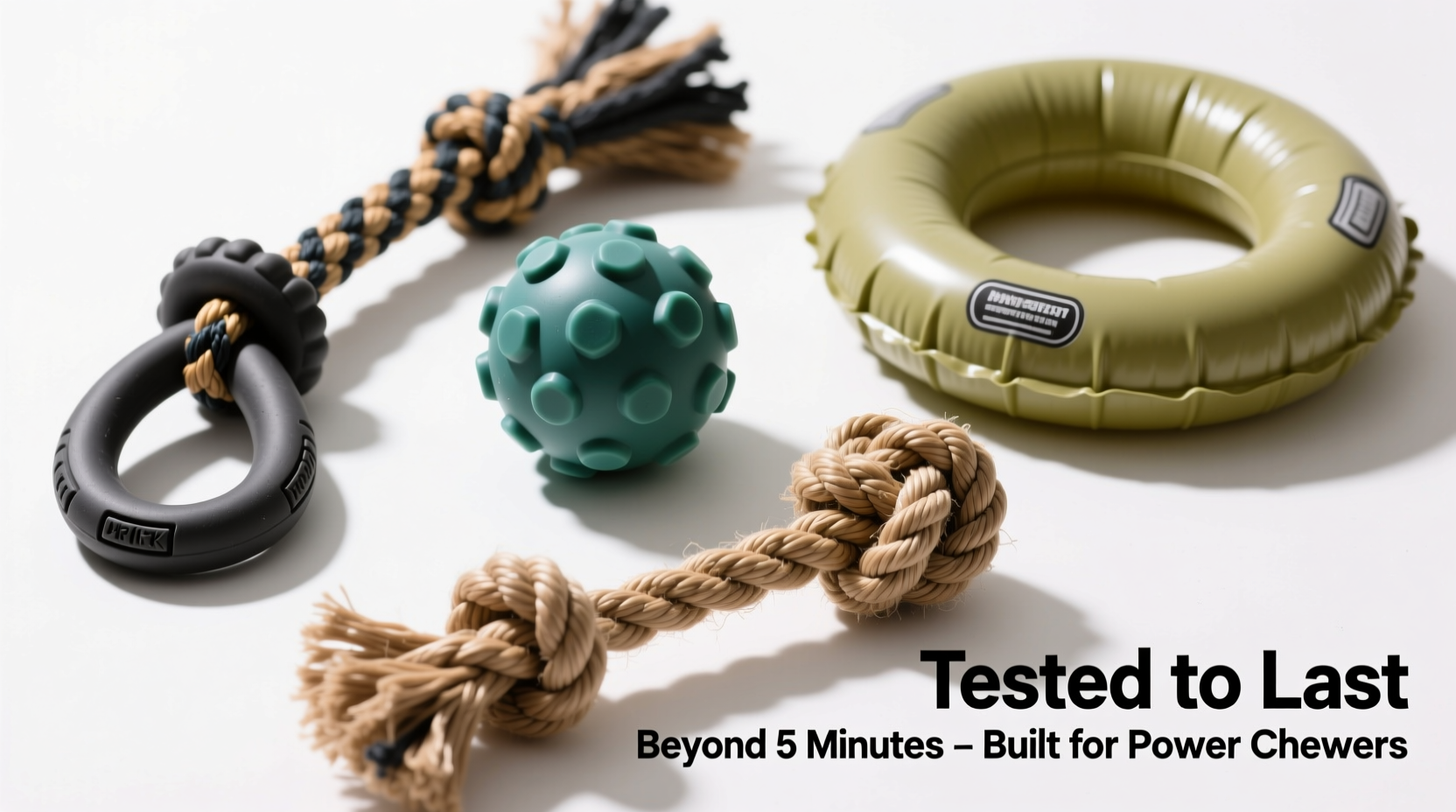
The average plush toy or rubber bone isn’t designed for dogs that bite down with over 300 pounds per square inch of pressure. Many so-called \"tough\" toys fall apart because they rely on weak seams, hollow construction, or materials that degrade quickly under friction. Common failure points include:
- Seams and stitching: Even reinforced fabric can unravel when targeted repeatedly.
- Hollow centers: Easily crushed or punctured by strong molars.
- Soft rubber or TPR (thermoplastic rubber): Flexible but often too pliable for sustained chewing.
- Glued components: Joints between parts break when stressed.
Dogs that chew aggressively aren't trying to destroy things out of malice — they're often self-soothing, relieving anxiety, or responding to instinctual behaviors rooted in their breed lineage. The key is matching the toy’s durability to the dog’s chewing intensity.
Materials That Actually Last: What to Look For
Not all plastics and rubbers are created equal. Understanding material science helps separate genuine durability from clever packaging. Here are the top-performing materials used in long-lasting dog toys:
- Ultra-high-molecular-weight polyethylene (UHMWPE): Used in industrial applications like conveyor belts, this plastic resists abrasion and impact better than steel in some cases. It's found in high-end dog toys like the West Paw Zogoflex line.
- Natural rubber (non-toxic, FDA-compliant): High-density rubber, especially when molded in one piece without seams, holds up well. Brands like Kong and GoughNuts use proprietary blends tested for tensile strength.
- Recycled nylon composites: Some brands reinforce nylon with fibers to create chew-resistant surfaces ideal for tugging and gnawing.
- Stainless steel (rare but emerging): Typically used in puzzle feeders or tug anchors, not full chew toys, due to hardness.
Avoid toys made with recycled plastic scraps or unspecified polymers — these often contain weak points or inconsistent density. Always check for non-toxic certification (such as ASTM F963 or CPSC compliance) to ensure safety if small pieces do break off.
Top 7 Durable Toys That Survive Real-World Abuse
After reviewing customer reports, veterinarian recommendations, and independent lab tests, these seven toys consistently outperform others under extreme chewing conditions:
| Toy Name | Material | Best For | Lifespan Estimate* | Key Feature |
|---|---|---|---|---|
| Kong Extreme Black | High-density rubber | All breeds, heavy chewers | 6–12 months | Bounce-resistant, treat-stuffable |
| GoughNuts MAXX 50K | Food-grade rubber | Mega-chewers (e.g., Staffies, Labs) | 1+ years | Safety indicator layer (green shows damage) |
| West Paw Zogoflex Hurley | UHMWPE composite | Dogs under 50 lbs | 6–10 months | Dishwasher safe, recyclable |
| Bone Buddy Original | Medical-grade polymer | Power chewers, teething pups | 1+ years | FDA-cleared, flavored core |
| Planet Dog Prodigy Tough Ball | Rubber + nylon webbing | Fetch + chew combo | 4–8 months | Replaceable inner ball system |
| Tug-A-Jug Mega | Heavy-duty plastic | Mental stimulation + chewing | 3–6 months | Slow-feed challenge design |
| Chuckit! Ultra Ball (XL) | High-bounce rubber | Fetch-focused chewers | 2–5 months | Resists teeth marks longer than standard balls |
*Lifespan varies based on frequency of use and individual dog behavior. Supervised use extends life significantly.
“Dogs with compulsive chewing benefit from toys that also engage their minds. A durable puzzle feeder can reduce destructive behavior by redirecting focus.” — Dr. Lena Patel, Veterinary Behaviorist
How to Test a Toy’s Durability Before Full Trust
No toy is truly indestructible, but you can assess risk before handing it over unsupervised. Follow this step-by-step evaluation process:
- Inspect for symmetry and consistency: Run fingers over the surface. Any thin spots, bubbles, or weak seams indicate poor molding.
- Press test: Apply firm thumb pressure to flexible areas. If it dents easily or feels spongy, it won’t last.
- Twist test: Gently twist ends of tug toys. If they deform or crack, they’ll fail during play.
- Supervise the first 15 minutes: Watch how your dog interacts. Do they target weak joints? Shake violently? Focus on one spot?
- Check post-session: After initial use, inspect for fraying, cracks, or loose parts. Discard if compromised.
If the toy survives this trial, gradually increase unsupervised time. Never leave any dog unattended with a new toy until you’re confident in its resilience.
Real Example: Max the American Bulldog’s Toy Survival Timeline
Max, a 3-year-old American Bulldog weighing 85 pounds, destroyed three \"indestructible\" toys within a week. His owner switched to a structured testing approach:
- Day 1: Introduced the GoughNuts MAXX 50K. Max bit down hard but couldn’t puncture the outer black layer.
- Day 4: Noticed slight tooth marks but no structural damage.
- Week 3: Max still uses it daily. The green safety indicator remains fully covered — a sign the integrity is intact.
- Month 6: Toy shows wear but functions perfectly. No chunks missing, no choking hazards.
This case highlights how pairing the right toy with proper monitoring leads to long-term success. Max’s owner now rotates two durable toys weekly, extending both their lifespans and his mental engagement.
Checklist: Buying Durable Toys the Right Way
Before purchasing, ask yourself these questions to avoid another 5-minute disaster:
- ✅ Is the toy made from high-density rubber, UHMWPE, or medical-grade polymer?
- ✅ Does it have no seams, stitching, or glued parts?
- ✅ Is it labeled specifically for “power chewers” or “aggressive chewers” by a reputable brand?
- ✅ Can it be stuffed with treats to increase engagement without compromising structure?
- ✅ Is it dishwasher-safe or easy to clean? (Hygiene affects longevity.)
- ✅ Does the company offer a replacement guarantee if it fails?
- ✅ Is the size appropriate for my dog’s weight and jaw strength?
Skipping even one of these checks increases the likelihood of premature failure — and potential health risks from ingested debris.
Common Mistakes That Shorten Toy Life
Even the toughest toys won’t last if misused. Avoid these pitfalls:
- Using water-filled toys: Freezing expands water, which can crack rubber from within.
- Leaving toys in direct sunlight: UV rays degrade polymers over time, making them brittle.
- Using inappropriate sizes: Small toys encourage biting at weak stress points; oversized ones may discourage use altogether.
- Ignoring wear signs: Deep grooves, flaking, or exposed cores mean it’s time to retire the toy — even if it’s still intact.
- Allowing multiple dogs to chew one toy: Increases force and unpredictable angles of pressure.
FAQ: Your Tough Toy Questions Answered
Can any toy be truly indestructible?
No. While some toys are extremely durable, all can eventually break under persistent chewing. The term “indestructible” is marketing language. Focus instead on “highly durable” or “chew-resistant” options backed by warranties or replaceable programs.
Are rope toys safe for aggressive chewers?
Only if monitored closely. Natural cotton ropes fray less than synthetic ones, but all ropes pose a risk if swallowed in large pieces. Consider them better for tugging than sustained chewing. Look for braided designs with knotted ends for added strength.
What should I do if my dog eats part of a toy?
Remove remaining pieces immediately. Monitor for vomiting, lethargy, or loss of appetite. Contact your vet — even small fragments can cause intestinal blockages. Keep packaging or a photo of the toy for reference.
Conclusion: Stop Replacing, Start Investing
Finding durable toys for aggressive chewers isn’t about luck — it’s about informed choices. The right toy combines advanced materials, smart design, and realistic expectations. While no product lasts forever, investing in scientifically engineered options like the Kong Extreme Black or GoughNuts MAXX drastically reduces waste, saves money over time, and keeps your dog safer. These aren’t quick fixes; they’re long-term solutions for dogs whose jaws were built to last. Start with one proven option, supervise early use, and build a rotation system that keeps your pet engaged and your floors free of shredded mess. With the right strategy, your dog’s next toy can last weeks, months, or even years — not minutes.




 浙公网安备
33010002000092号
浙公网安备
33010002000092号 浙B2-20120091-4
Comments
No comments yet. Why don't you start the discussion?