
Sleep is one of the most foundational elements of health, yet millions struggle to get enough quality rest each night. In search of natural solutions, many turn to aromatherapy—particularly essential oils—and among them, lavender stands out as a popular choice. But do lavender diffusers actually help you sleep better? And what other essential oils are proven to support relaxation and deeper rest? This article dives into the science, effectiveness, and practical application of essential oils for sleep, offering clear guidance on which ones work, how to use them, and what to expect.
The Science Behind Aromatherapy and Sleep
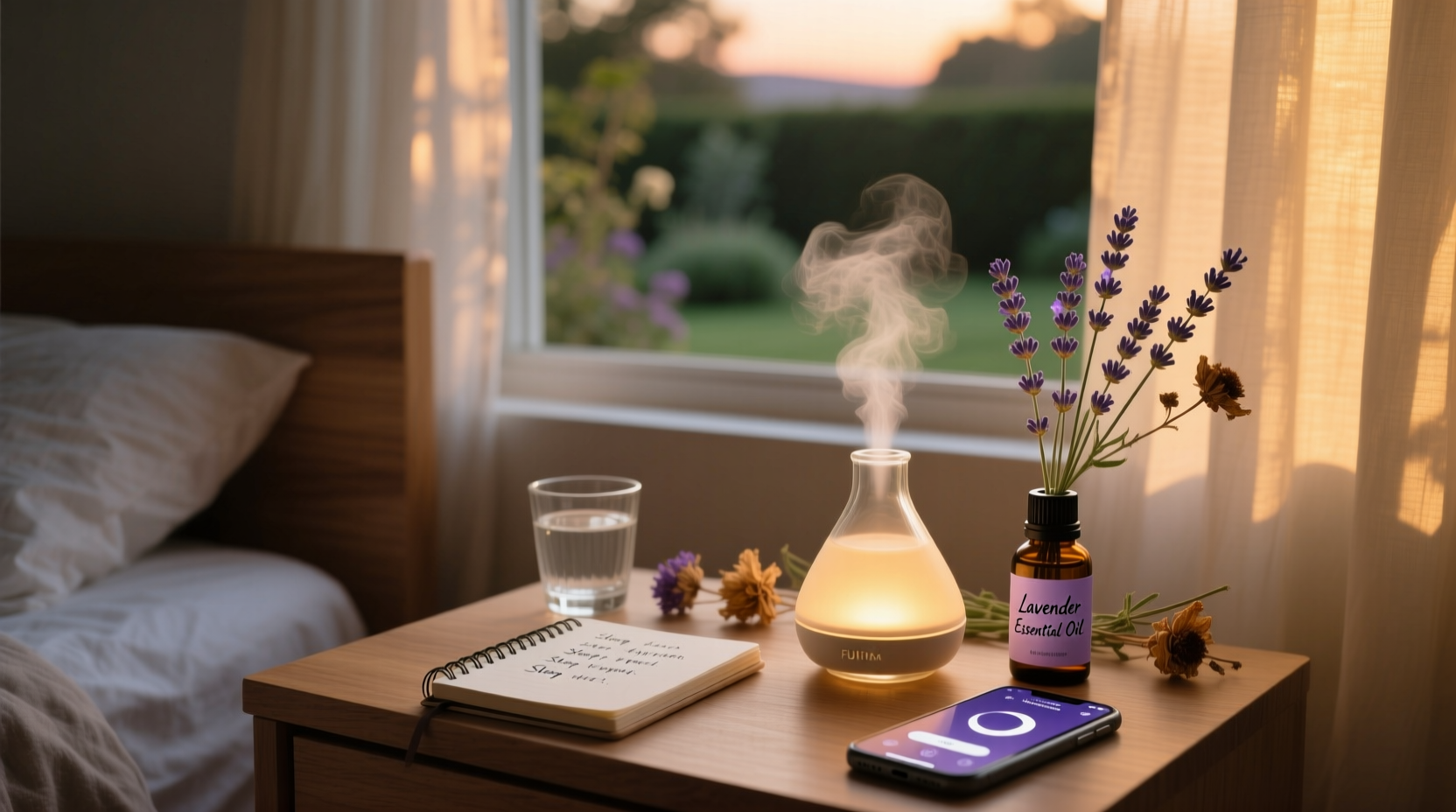
Aromatherapy leverages the sense of smell to influence the limbic system—the part of the brain responsible for emotions, memory, and arousal. When inhaled, certain aromatic compounds from essential oils can trigger calming responses, reduce anxiety, and even lower heart rate and blood pressure—all of which contribute to improved sleep onset and quality.
Lavender oil, specifically, contains linalool and linalyl acetate, two compounds shown in clinical studies to have sedative and anxiolytic (anxiety-reducing) effects. A 2017 meta-analysis published in Nutrition Reviews concluded that inhaling lavender essential oil significantly improved sleep quality in individuals with mild insomnia.
However, not all essential oils affect the body the same way. Their impact depends on chemical composition, concentration, method of use, and individual sensitivity. While some oils promote alertness (like peppermint or citrus), others—especially those rich in esters and monoterpenes—are known for their relaxing properties.
Top 5 Essential Oils Proven to Support Sleep
While lavender dominates the market, several other essential oils have demonstrated sleep-enhancing benefits through research and traditional use. Here are five of the most effective options backed by science and expert practice.
- Lavender (Lavandula angustifolia): The gold standard for sleep support. Known for reducing cortisol levels, improving slow-wave sleep, and decreasing nighttime awakenings.
- Chamomile (Roman or German): Contains apigenin, a flavonoid that binds to benzodiazepine receptors in the brain, promoting drowsiness and reducing anxiety.
- Clary Sage (Salvia sclarea): Shown to reduce cortisol by up to 36% during inhalation, according to a study in the Journal of Ethnopharmacology. Particularly effective for stress-related insomnia.
- Bergamot (Citrus bergamia): Unlike other citrus oils, bergamot has a balancing effect on mood. Its ability to reduce sympathetic nervous system activity makes it ideal for anxious minds at bedtime.
- Marjoram (Origanum majorana): Often overlooked, marjoram has muscle-relaxant and vasodilatory effects, helping ease physical tension that can interfere with falling asleep.
These oils can be used individually or blended for synergistic effects. A common combination includes equal parts lavender, chamomile, and bergamot—a trio praised by aromatherapists for its balanced calming power without sedative heaviness.
Do Lavender Diffusers Really Work?
The short answer: yes, but with caveats.
Multiple studies support the efficacy of lavender diffusion for improving subjective and objective sleep measures. For example, a randomized controlled trial involving college students found that nightly use of a lavender diffuser increased sleep efficiency by 18% over two weeks. Another study showed reduced restlessness in elderly patients with dementia when exposed to lavender aroma twice daily.
However, effectiveness depends on several factors:
- Quality of oil: Only pure, therapeutic-grade essential oils should be used. Synthetic fragrances or diluted blends may lack active compounds.
- Diffusion method: Ultrasonic diffusers disperse fine mist and preserve oil integrity better than heat-based models.
- Duration and timing: Continuous diffusion throughout the night is unnecessary and may lead to olfactory fatigue. 30–60 minutes before bed is typically sufficient.
- Individual response: Genetics, scent sensitivity, and psychological associations influence how someone responds to lavender.
“Lavender isn’t a magic sleep potion, but when used correctly, it’s one of the most reliable tools we have for non-pharmacological sleep support.” — Dr. Helen Kim, Integrative Sleep Specialist
It's also important to note that while lavender can improve sleep quality, it won't fix underlying issues like sleep apnea, chronic stress, or poor sleep hygiene. It works best as part of a broader strategy.
How to Use Essential Oils for Sleep: A Step-by-Step Guide
Using essential oils effectively requires more than just turning on a diffuser. Follow this practical sequence to maximize benefits.
- Choose high-quality oils: Look for 100% pure essential oils labeled with botanical name and country of origin. Avoid “fragrance oils” or vague blends.
- Select your delivery method:
- Diffuser: Add 3–5 drops total per 100ml water. Run 30 minutes before bed.
- Pillow spray: Mix 10–15 drops of essential oil with 1 oz distilled water and 1 tsp witch hazel in a spray bottle. Lightly mist pillowcase.
- Topical application: Dilute 2–3 drops in 1 tbsp carrier oil (jojoba, almond, or coconut) and apply to wrists, temples, or soles of feet.
- Create a consistent routine: Use the same scent(s) nightly to build a conditioned relaxation response.
- Combine with wind-down habits: Pair diffusion with dim lighting, reading, or deep breathing for enhanced effect.
- Monitor and adjust: If an oil causes irritation or doesn’t help after 1–2 weeks, try a different one or consult a certified aromatherapist.
Comparison Table: Best Essential Oils for Sleep
| Essential Oil | Key Benefits | Best For | Caution |
|---|---|---|---|
| Lavender | Reduces anxiety, improves sleep continuity | General insomnia, light sleepers | May cause drowsiness if overused |
| Chamomile (Roman) | Calms nervous system, mild sedative | Anxious thoughts, children’s sleep | Can interact with blood thinners |
| Clary Sage | Lowers cortisol, balances mood | Stress-induced insomnia, hormonal shifts | Avoid during pregnancy |
| Bergamot | Uplifts mood while calming nerves | Racing mind, emotional tension | Photosensitive—avoid sun after topical use |
| Marjoram | Relaxes muscles, eases tension | Physical discomfort at bedtime | Use low dilution due to potency |
Real-Life Example: How Sarah Improved Her Sleep Naturally
Sarah, a 38-year-old project manager, struggled with falling asleep due to work-related stress. Despite trying melatonin and meditation, she often lay awake for hours. After consulting a holistic wellness coach, she began using a blend of lavender and bergamot in her ultrasonic diffuser every night for 45 minutes before bed.
Within ten days, she noticed she was falling asleep 20 minutes faster on average. By week three, she reported fewer nighttime awakenings and felt more refreshed in the morning. She continued the practice alongside digital detoxing and journaling, creating a sustainable nighttime ritual. “It wasn’t a miracle cure,” she said, “but the scent became a signal to my brain that it was time to let go.”
Common Mistakes to Avoid
Even with high-quality oils, improper use can diminish results or pose risks. Be mindful of these pitfalls:
- Over-diffusing: More is not better. Excessive diffusion can cause headaches or irritability.
- Using impure oils: Fragrance oils or adulterated products lack therapeutic value and may contain allergens.
- Ignoring safety: Some oils (e.g., rosemary, eucalyptus) are stimulating and counterproductive at night. Others are unsafe for pets or pregnant women.
- Expecting instant results: Aromatherapy builds cumulative effects. Give it at least 7–10 nights before evaluating success.
- Skipping dilution: Topical application without proper dilution risks skin reactions.
Frequently Asked Questions
Can I leave my essential oil diffuser on all night?
No, it’s not recommended. Continuous diffusion can lead to olfactory fatigue (your nose stops noticing the scent) and potential respiratory irritation. Most experts suggest running the diffuser for 30–60 minutes before bed and turning it off automatically or manually.
Are essential oils safe for children and pets?
With caution. Many essential oils are too strong for young children and toxic to pets—especially cats. Lavender and chamomile are generally safe for kids over age 6 when highly diluted, but always consult a pediatrician. For pets, avoid diffusing oils unless approved by a veterinarian.
How long does it take for essential oils to work for sleep?
Most people notice subtle improvements within 3–5 nights. Significant changes in sleep quality typically occur within 1–2 weeks of consistent use. Individual results vary based on baseline stress levels, sleep environment, and oil selection.
Checklist: Getting Started with Essential Oils for Sleep
- ☐ Choose 1–2 high-quality essential oils (e.g., lavender, chamomile)
- ☐ Purchase a cool-mist ultrasonic diffuser
- ☐ Read labels to confirm purity and botanical names
- ☐ Test for sensitivities with a patch test (for topical use)
- ☐ Set a 30-minute pre-bed diffusion schedule
- ☐ Combine with other sleep hygiene practices (dim lights, no screens)
- ☐ Track sleep patterns for one week to assess effectiveness
Final Thoughts: A Natural Tool, Not a Cure-All
Essential oils, particularly lavender, do have measurable benefits for sleep—but they work best when integrated into a comprehensive approach. They are not replacements for medical treatment, cognitive behavioral therapy for insomnia (CBT-I), or healthy lifestyle choices. However, as a low-risk, pleasant-smelling adjunct, they offer real value.
The key lies in consistency, quality, and realistic expectations. When used wisely, a lavender diffuser can become a powerful cue for relaxation, signaling your brain and body that it’s time to unwind. Whether you’re dealing with occasional restlessness or building a long-term sleep routine, essential oils deserve a place in your toolkit—if only for the simple pleasure of breathing in something soothing at the end of a long day.




 浙公网安备
33010002000092号
浙公网安备
33010002000092号 浙B2-20120091-4
Comments
No comments yet. Why don't you start the discussion?