
Foam rolling has become a staple in fitness routines, praised for its ability to reduce muscle soreness, improve flexibility, and speed up recovery. But for beginners, the experience can be painful—especially if the wrong roller is chosen. Some high-density rollers dig too deep, leaving bruises or increasing discomfort rather than relieving it. The key is finding a balance: effective pressure without excessive pain. This guide explores the best foam rollers for beginners that deliver real relief from sore muscles while remaining gentle on sensitive tissue.
Why Foam Rolling Matters for Recovery
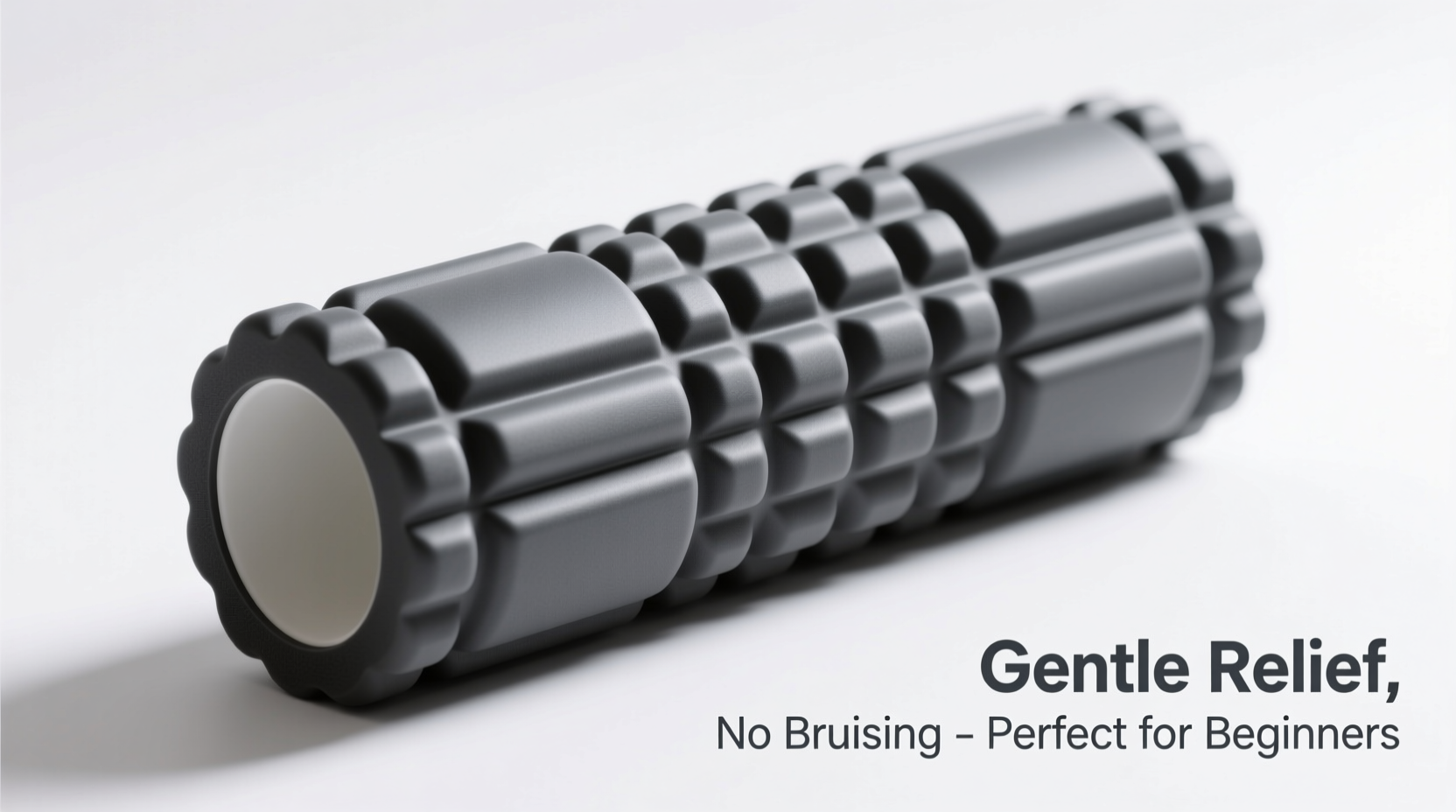
After intense workouts, muscles accumulate tension and micro-tears, leading to delayed onset muscle soreness (DOMS). Foam rolling helps by applying targeted pressure to soft tissues, breaking up adhesions, improving blood flow, and reducing stiffness. According to research published in the *Journal of Athletic Training*, regular foam rolling can significantly decrease muscle soreness and enhance range of motion within just 20 minutes of use post-exercise.
However, not all foam rollers are created equal. Beginners often make the mistake of starting with aggressive models designed for advanced athletes or physical therapy patients. These can cause bruising, especially in areas like the IT band, lower back, or calves, where nerves and bones lie close to the surface.
“Beginners should prioritize comfort and consistency over intensity. A gentler roller used regularly will yield better long-term results than an aggressive one abandoned after two painful sessions.” — Dr. Lena Patel, Sports Physiotherapist and Movement Specialist
What to Look for in a Beginner-Friendly Foam Roller
Selecting the right foam roller isn’t just about softness—it’s about material, density, texture, and size. Here’s what matters most when choosing one that relieves soreness without bruising:
- Density: Low to medium density provides enough support to release tension without being overly aggressive.
- Material: EVA foam or soft polyethylene are ideal for beginners due to their forgiving nature.
- Texture: Smooth or lightly textured surfaces minimize irritation. Avoid deeply grooved or spiky rollers initially.
- Size: A standard 36-inch roller offers full-body versatility, while a 12-inch travel version works well for spot treatment.
- Diameter: 4–6 inches is optimal. Larger diameters distribute pressure more evenly, reducing peak force on any single point.
Top 5 Foam Rollers for Beginners: Reviewed
Based on performance, user feedback, and expert recommendations, these five foam rollers strike the perfect balance between effectiveness and comfort for new users.
| Product | Density | Texture | Length | Best For |
|---|---|---|---|---|
| TriggerPoint GRID Soft | Low-Medium | Light grid pattern | 36\" | All-over use, balanced pressure |
| AmazonBasics High-Density Foam Roller (Soft Version) | Low | Smooth | 36\" | Budget-friendly, gentle rolling |
| TOGU Blackroll Junior Mini | Medium (but small diameter reduces intensity) | Smooth | 12\" | Travel, localized areas like feet or shoulders |
| RumbleRoller Original (Lite) | Medium | Bumpy, but softer compound | 36\" | Those ready to progress gently from smooth rollers |
| ProSourceFit Polyethylene Roller | Low | Smooth | 36\" | Seniors, rehab, ultra-sensitive users |
Why These Stand Out
The TriggerPoint GRID Soft combines a hollow core with a softer outer layer, making it lightweight and less intense than its firmer sibling. Its open-grid design still allows for some myofascial release without digging into muscle fibers aggressively.
The AmazonBasics Soft Roller may lack brand prestige, but its affordability and consistent quality make it a top seller among first-time users. It’s made from soft EVA foam, which compresses easily under body weight, reducing bruising risk.
The TOGU Blackroll Junior is excellent for those who want precision. Its shorter length makes it easy to control, and because it has a smaller diameter (only 3 inches), it naturally applies less pressure—ideal for delicate areas like the upper back or shins.
The RumbleRoller Lite introduces textured relief in a beginner-accessible way. While traditional RumbleRollers are notorious for being brutal, the Lite version uses a softer polymer blend, offering the benefits of nodules without the agony.
Finally, the ProSourceFit Polyethylene Roller is one of the softest options available. It's often recommended by physical therapists for post-injury rehabilitation due to its extremely low density and smooth finish.
How to Use a Foam Roller Safely and Effectively
Even the gentlest roller can cause discomfort if used incorrectly. Follow this step-by-step approach to maximize benefits and avoid injury.
- Start with major muscle groups: Begin with large, fleshy areas like quads, hamstrings, glutes, and upper back. Avoid bony regions like the spine, knees, and neck.
- Move slowly: Roll each area at a pace of about one inch per second. Rushing defeats the purpose.
- Pause on tight spots: When you find a tender area, stop and hold for 20–30 seconds until you feel slight release.
- Breathe deeply: Inhale through the nose, exhale slowly through the mouth. This signals your nervous system to relax, helping muscles release.
- Limited duration: Spend no more than 1–2 minutes per muscle group. Overuse can lead to inflammation.
- Frequency: Use 3–5 times per week, ideally after workouts or on rest days.
Common Mistakes That Lead to Bruising
- Using too much body weight: Lean only partially into the roller; let gravity do the work gradually.
- Rolling too fast: Speed prevents deep tissue engagement and increases friction, irritating the skin.
- Holding your breath: Tension builds when you forget to breathe, making muscles resist release.
- Targeting the IT band aggressively: This connective tissue doesn't stretch or \"roll out\" like muscle. Excessive pressure here commonly causes bruising.
Real User Experience: Sarah’s Journey from Pain to Relief
Sarah, a 34-year-old office worker and weekend runner, started using a firm ridged foam roller after hearing about its benefits online. Within days, she developed bruising on her thighs and avoided using it altogether. “I thought I was doing something wrong,” she said. “I felt guilty for skipping it, but it hurt too much.”
After consulting a physiotherapist, she switched to the AmazonBasics soft roller. “The difference was night and day,” she shared. “It still felt like I was working the knots out, but without wincing. Now I use it three times a week and actually look forward to it.”
Her story highlights a common misconception: that pain equals progress. In reality, effective recovery shouldn’t leave marks or require gritting your teeth.
Beginner’s Checklist: Getting Started the Right Way
Before purchasing and using your first foam roller, follow this checklist to ensure a safe and effective experience:
- ☐ Assess your pain tolerance honestly—choose low or medium density.
- ☐ Measure your space—ensure you have room to lie down comfortably.
- ☐ Set aside 10 minutes post-workout or before bed for rolling.
- ☐ Wear comfortable clothing that allows free movement.
- ☐ Start with larger muscle groups; avoid sensitive or injured areas.
- ☐ Hydrate well—muscles respond better to pressure when hydrated.
- ☐ Track your progress—note changes in soreness, flexibility, or sleep quality.
Frequently Asked Questions
Can foam rolling really prevent soreness?
Yes. Studies show that foam rolling immediately after exercise and again 24 hours later can reduce DOMS by up to 30%. While it won’t eliminate soreness entirely, it accelerates recovery by enhancing circulation and reducing muscle stiffness.
Is it normal to feel sore after foam rolling?
Mild tenderness is normal, especially during the first few sessions. However, sharp pain, bruising, or lingering discomfort indicates you’re using too much pressure or an inappropriate roller. Adjust technique or switch to a softer model.
How long does it take to see results?
Many users report improved mobility and reduced tightness after just one session. Consistent use over 2–3 weeks typically leads to noticeable reductions in chronic muscle tension and faster post-workout recovery.
Final Thoughts: Build the Habit Without the Hurt
Foam rolling should be a sustainable part of your wellness routine—not a punishment. For beginners, the goal isn’t to endure pain but to encourage healing. Choosing a soft, beginner-friendly roller removes the intimidation factor and sets the foundation for long-term consistency.
Remember, progress isn’t measured by how much it hurts, but by how much better your body feels over time. Whether you’re recovering from a tough run, sitting at a desk all day, or simply trying to stay mobile, the right foam roller can make all the difference—without leaving a mark.




 浙公网安备
33010002000092号
浙公网安备
33010002000092号 浙B2-20120091-4
Comments
No comments yet. Why don't you start the discussion?