
For those with sensitive skin, makeup can be a minefield. Harsh ingredients, heavy formulas, and complex layering often lead to redness, itching, breakouts, or flare-ups of conditions like rosacea or eczema. Yet many still want to wear makeup—not to mask their features, but to subtly enhance them. That’s where minimalist makeup comes in: a streamlined, intentional approach that prioritizes skin health without sacrificing confidence.
A minimalist routine for sensitive skin isn’t just about using fewer products—it’s about choosing the right ones. It means focusing on gentle, non-comedogenic, fragrance-free formulas that support the skin barrier while offering light coverage and a fresh-faced glow. When done correctly, this approach reduces irritation risk, simplifies daily rituals, and promotes long-term skin wellness.
The Science Behind Sensitive Skin and Makeup
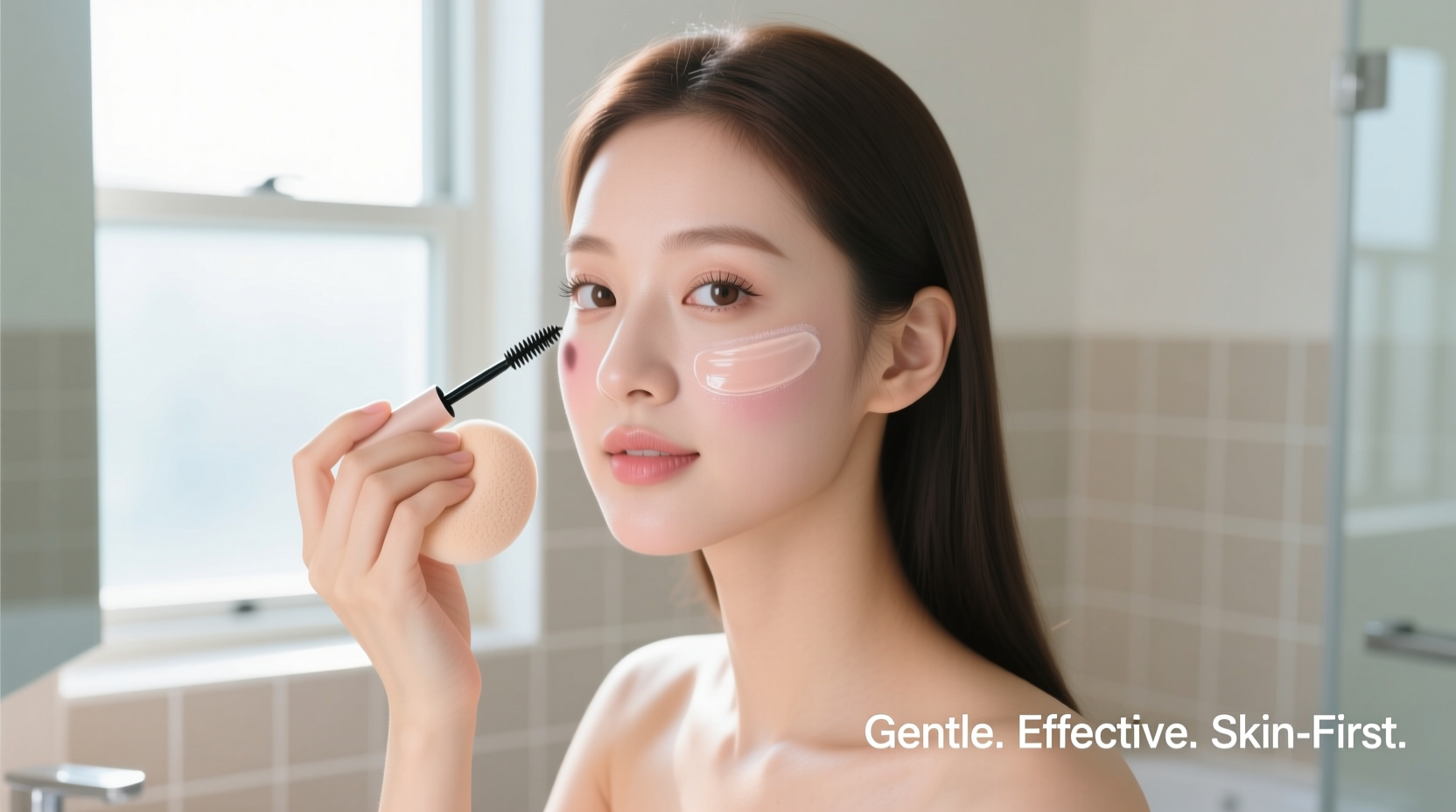
Sensitive skin reacts strongly to environmental stressors and certain cosmetic ingredients. According to dermatologists, common triggers include alcohol denat., synthetic fragrances, essential oils, sulfates, and some preservatives like parabens or formaldehyde-releasers. These components can compromise the skin’s protective lipid barrier, leading to increased trans-epidermal water loss (TEWL) and inflammation.
Dr. Lena Park, a board-certified dermatologist specializing in cosmetic formulations, explains:
“Minimalism in skincare and makeup isn’t a trend—it’s a necessity for reactive skin types. Fewer ingredients mean fewer chances for adverse reactions. The goal should always be to work *with* the skin, not against it.” — Dr. Lena Park, MD, Dermatology & Cosmetic Science
This philosophy underpins an effective minimalist makeup strategy: reduce product load, eliminate known irritants, and use multitasking items that double as skincare. For example, a tinted moisturizer with SPF replaces foundation, sunscreen, and primer—all in one breathable layer.
Core Principles of a Minimalist Routine for Sensitive Skin
To build a sustainable, irritation-free routine, follow these foundational principles:
- Less is more: Stick to three to five essential products max per day.
- Ingredient transparency matters: Choose brands that disclose full ingredient lists and avoid greenwashing.
- Non-comedogenic and hypoallergenic labeling: While not regulated universally, these terms help narrow down safer options.
- Layering order follows skincare logic: Always start with clean, hydrated skin; never apply makeup over irritated or broken areas.
- Multifunctionality is key: Use products that serve dual purposes—like a lip-and-cheek tint or a brow gel with conditioning properties.
Step-by-Step Morning Routine (Under 10 Minutes)
A well-designed minimalist routine doesn’t require elaborate techniques or tools. Here’s a realistic timeline you can follow every morning—even on rushed days.
- Cleanse (1 min): Use a gentle, creamy cleanser suitable for sensitive skin. Rinse with lukewarm water and pat dry—never rub.
- Hydrate (1 min): Apply a lightweight, fragrance-free moisturizer. Look for ceramides, squalane, or hyaluronic acid to reinforce the skin barrier.
- Protect (1 min): Use a mineral-based sunscreen (zinc oxide or titanium dioxide) with SPF 30+. Physical blockers are less likely to cause stinging than chemical filters.
- Tint (2 min): Dab on a sheer-tint moisturizer or BB cream. Blend with fingers or a reusable sponge for a dewy finish.
- Define (3 min): Groom brows with a hypoallergenic gel and add subtle color to lips and cheeks using the same safe tint.
- Set (optional, 1 min): If needed, lightly mist with a hydrating facial spray instead of powder, which can settle into fine lines and feel drying.
Total time: 7–10 minutes. This routine avoids primers, concealers, contouring, and setting powders—common culprits in sensitized skin flare-ups.
Recommended Product Types and Ingredient Guidelines
Not all “clean” or “natural” products are safe for sensitive skin. Some plant extracts and essential oils (like lavender, citrus, or tea tree) are highly allergenic. Instead, prioritize medical-grade or dermatologist-tested brands designed for reactivity.
| Product Category | Safe Ingredients | Avoid | Top Brand Examples |
|---|---|---|---|
| Moisturizer | Ceramides, glycerin, squalane, panthenol | Fragrance, alcohol, essential oils | CeraVe, Vanicream, La Roche-Posay Toleriane |
| Sunscreen | Zinc oxide, titanium dioxide | Oxybenzone, avobenzone, homosalate | EltaMD UV Clear, Paula’s Choice Mineral Sunscreen, Pipette |
| Tinted Base | Dimethicone (non-fragranced), niacinamide (low %), silica | Parfum, lanolin, propylene glycol | Glossier Boy Brow (for brows), Tower 28 ShineOn Lip Jelly |
| Cheek & Lip Color | Iron oxides (pigments), shea butter, jojoba oil | Mica (if gritty), peppermint oil, artificial dyes | RMS Beauty Un Cover-Up, ILIA Multi-Stick, Burt’s Bees Tinted Lip Balm |
| Eye Products | Castor oil, vitamin E, hypoallergenic waxes | Coal tar dyes, lash-enhancing serums with prostaglandins | Almay Hypoallergenic Mascara, Clinique Almost Lipstick (dual-use) |
Real-Life Example: Emma’s Transition to Minimalist Makeup
Emma, a 34-year-old teacher from Portland, struggled with recurring facial redness and flaking around her nose and chin. After years of using full-coverage foundations and glittery eyeshadows, she consulted a dermatologist who diagnosed her with compromised skin barrier and early signs of perioral dermatitis.
Her prescribed solution? A complete reset: stop all makeup for two weeks, rebuild her barrier with simple emollients, then reintroduce only essential, tested products. She switched to a zinc-based sunscreen, a mineral tint, and a single multi-use cream color for lips and cheeks. Within six weeks, her flare-ups decreased significantly.
“I was shocked at how much better my skin looked with less,” Emma said. “I used to think I needed foundation to look put together. Now I realize my skin glows more when I let it breathe.”
Weekly Maintenance and Nighttime Care
A minimalist makeup routine also depends on proper removal and recovery. At night, thorough cleansing prevents clogged pores and inflammation—especially important if wearing SPF or tint daily.
Follow this evening checklist:
- Use a micellar water made for sensitive skin (without alcohol or fragrance) or a balm cleanser to dissolve residue.
- Double cleanse only if necessary—over-cleansing strips natural oils.
- Apply a restorative nighttime moisturizer or sleep mask once or twice weekly.
- Wash makeup tools (sponges, brushes) biweekly with mild soap and water.
- Replace mascara every 3 months and discard any product showing texture or odor changes.
“Makeup shouldn’t come at the cost of skin health. If you’re experiencing persistent stinging, burning, or bumps, it’s time to reassess your entire regimen.” — Dr. Nadia Khan, Clinical Dermatologist
Frequently Asked Questions
Can I wear waterproof mascara if I have sensitive eyes?
Waterproof mascaras often contain stronger polymers and require harsh removers, increasing friction and irritation risk. Opt for smudge-resistant, ophthalmologist-tested formulas instead. Brands like Almay and Burt’s Bees offer gentler alternatives that stay put without aggressive chemicals.
Is mineral makeup always better for sensitive skin?
Not necessarily. While mineral makeup typically uses physical pigments like iron oxides and titanium dioxide, some blends contain nano-sized particles or flow agents like bismuth oxychloride—which many find irritating. Always check the full ingredient list, even with “mineral” claims.
How do I cover redness without causing more irritation?
Green-tinted color correctors can neutralize redness, but they often contain higher concentrations of actives. A safer alternative is using a yellow-based tinted moisturizer applied lightly with fingertips. Layering too much product traps heat and worsens redness. Focus on even tone rather than full coverage.
Final Checklist: Building Your Sensitive-Skin Minimalist Kit
Before purchasing anything, verify each product aligns with these criteria:
- Free from fragrance (both synthetic and natural/essential oils)
- No alcohol denat. or drying alcohols in top five ingredients
- Dermatologist-tested or developed for reactive skin
- Packaged in airless pumps or tubes (reduces contamination vs. jars)
- Contains soothing ingredients: centella asiatica, oat extract, allantoin
- Has minimal inactive ingredients (fewer fillers = lower allergy risk)
- Comes with a sample size option to test first
Conclusion: Embrace Simplicity, Enhance Confidence
Minimalist makeup for sensitive skin isn’t about deprivation—it’s about empowerment through intentionality. By choosing fewer, smarter products, you protect your skin’s integrity while highlighting your natural features. This approach saves time, reduces exposure to irritants, and fosters a healthier relationship with beauty.
You don’t need a ten-step routine to feel polished. Often, the most radiant look comes from calm, well-hydrated skin enhanced by a touch of color and care. Start small, listen to your skin, and refine your routine based on what truly works for you.




 浙公网安备
33010002000092号
浙公网安备
33010002000092号 浙B2-20120091-4
Comments
No comments yet. Why don't you start the discussion?