
In compact homes and apartments, every square inch counts. Yet, the desire to bring nature indoors remains strong. The solution lies in strategic design: choosing plant stands that don’t just hold your favorite foliage but also elevate your interior aesthetic. The right stand can transform a forgotten corner into a lush vignette, serve as a functional room divider, or become a sculptural accent piece. For those balancing urban living with a love for greenery, selecting plant stands that are both space-efficient and visually striking is essential. This guide explores top designs, materials, and placement strategies to help you integrate plants seamlessly into smaller environments—without sacrificing style or floor space.
Why Plant Stands Matter in Small Spaces
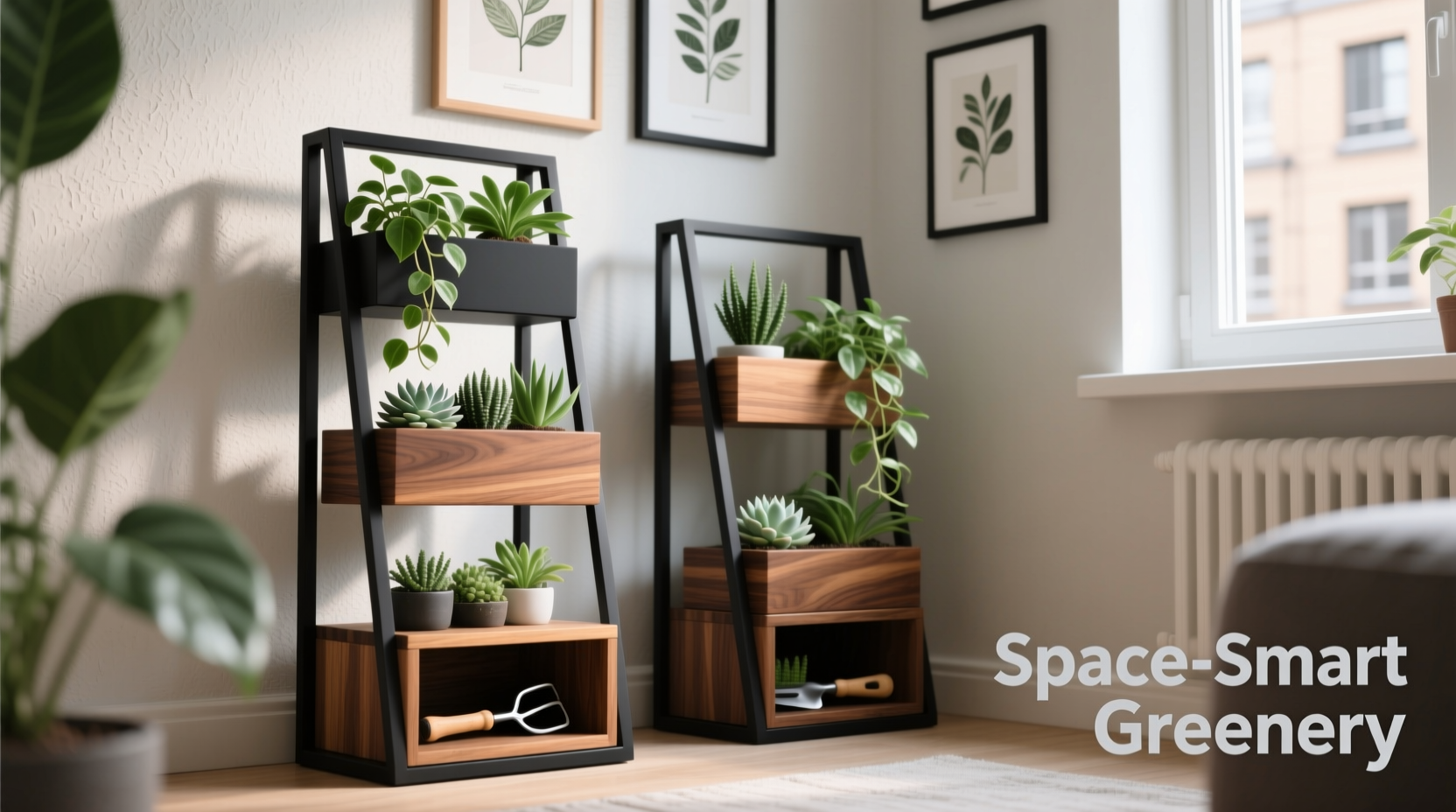
When floor area is limited, verticality becomes your greatest ally. Plant stands allow you to grow upward instead of outward, freeing up valuable surface space on tables, desks, and countertops. More than just utilitarian holders, modern plant stands have evolved into design-forward pieces that complement contemporary interiors. They add height variation, create visual interest, and contribute to a layered, curated look—even in studios or narrow hallways.
A well-chosen stand draws the eye upward, creating an illusion of spaciousness. It also enables better light exposure for plants by lifting them closer to windows or skylights. Beyond function, these pieces act as extensions of your personal style—whether minimalist, bohemian, industrial, or Scandinavian. The best options blend form and function so seamlessly that they’re mistaken for art when empty.
Top 5 Types of Space-Smart Plant Stands
Not all plant stands are created equal—especially when space is tight. Here are five standout types designed specifically for compact living:
1. Corner Plant Stands
These triangular or angled units fit snugly into unused corners, turning dead zones into thriving micro-gardens. Often featuring two to three tiers, they provide multiple planting levels while maintaining a slim footprint. Ideal for fiddle leaf figs, snake plants, or trailing pothos.
2. Wall-Mounted Shelves and Ladders
Freeing up floor space entirely, wall-mounted plant stands range from floating shelves to leaning ladders secured to the wall. A ladder-style stand offers asymmetrical charm and can be rotated seasonally. Floating shelves allow for curated arrangements, perfect for succulents or air plants.
3. Nesting Stools or Stackable Units
Modular sets of small stands that tuck neatly together when not in use. Made from wood, metal, or composite materials, they offer flexibility—use one near a reading chair, spread them across a balcony, or cluster them for a temporary display during gatherings.
4. Narrow Rolling Carts
Originally inspired by apothecary or greenhouse carts, narrow rolling plant stands feature slim profiles (as little as 12 inches wide) and casters for mobility. Move your herbs from kitchen to sunroom, or reposition for optimal lighting. Open shelving promotes airflow and visibility.
5. Hanging Plant Stands with Base Support
Combining hanging mechanics with a stable base, these hybrid stands suspend pots above ground while anchoring them to a minimal pedestal. Think macramé-inspired iron frames or geometric brass tripods. They save floor space while adding dramatic height.
Materials That Work Best in Compact Interiors
The material of your plant stand influences not only durability but also perceived weight and ambiance. In small spaces, lighter finishes and open structures tend to feel less imposing.
- Metal (powder-coated steel, brass, iron): Sleek, durable, and ideal for industrial or modern styles. Thin metal legs create a “floating” effect.
- Wood (walnut, bamboo, oak): Warm and organic, wooden stands soften minimalist interiors. Look for unfinished or lightly stained versions to avoid visual heaviness.
- Acrylic or Lucite: Nearly invisible, these transparent stands focus attention solely on the plant. Great for ultra-modern or monochromatic rooms.
- Wicker or Rattan: Adds texture and boho flair. Lightweight and breathable, though best suited for dry, indoor areas.
“Plants in small spaces should feel intentional, not cluttered. Choose stands that echo your decor language—whether clean lines or natural textures—to maintain harmony.” — Lena Torres, Interior Stylist & Urban Greenery Consultant
Choosing the Right Stand: A Practical Checklist
Before purchasing, consider how each stand aligns with your spatial constraints and lifestyle. Use this checklist to make informed decisions:
- ✅ Measures under 18 inches in width or depth for tight areas
- ✅ Includes adjustable shelves for varying pot sizes
- ✅ Features non-slip feet or wall anchors for safety
- ✅ Matches existing furniture finishes (e.g., black metal with other matte black fixtures)
- ✅ Allows for easy access to plants (for watering, pruning)
- ✅ Can support the weight of mature plants and ceramic pots
- ✅ Disassembles or folds for storage during moves or rearrangements
Smart Placement Ideas for Maximum Impact
Even the most beautiful stand will fall flat if poorly placed. Thoughtful positioning amplifies both utility and decor value.
Next to Mirrors or Windows
Positioning a plant stand beside a mirror doubles the visual presence of your greenery through reflection. Near windows, it ensures adequate light while framing the view with life.
As a Room Divider
In studio apartments, a tall, open-framed plant stand with trailing vines (like ivy or string of pearls) can softly separate sleeping and living zones without blocking light.
Beside Furniture
Place a narrow stand next to a bookshelf, sofa, or bed frame to extend vertical lines and unify the composition. A single-tier stand with a tall monstera can anchor a seating area.
On Balconies or Entryways
For renters or those with limited indoor space, compact stands on balconies or entry landings create welcoming green thresholds. Opt for weather-resistant materials like powder-coated metal or teak.
Comparison Table: Best Plant Stands for Small Spaces
| Stand Type | Footprint | Best For | Style Match | Mobility |
|---|---|---|---|---|
| Corner Tiered Stand | 18\" x 18\" | Medium to large plants | Scandinavian, rustic | Fixed |
| Wall-Mounted Ladder | 0 sq ft (wall) | Succulents, small pots | Boho, eclectic | Fixed |
| Nesting Wood Stools | Each: 10\" x 10\" | Herbs, propagations | Farmhouse, Japandi | High |
| Rolled Metal Cart | 12\" x 24\" | Kitchen herbs, ferns | Industrial, modern | Very High |
| Geometric Tripod | 15\" diameter | Statement plants (ficus, palm) | Mid-century, minimalist | Low |
Real-Life Example: Transforming a Studio Apartment Corner
Jamie, a graphic designer in Brooklyn, lives in a 450-square-foot studio where every item must earn its place. Her bathroom door blocked half of a sunny corner, rendering it useless—until she installed a wall-mounted wrought iron plant ladder. She mounted it at a slight angle to avoid door interference and added three staggered shelves.
On the top shelf, she placed a variegated pothos in a white ceramic pot; middle held a small cactus collection; bottom featured a humidity-loving peperomia. The ladder’s black finish matched her window frames, creating continuity. Within weeks, the corner became her favorite spot—a mini oasis visible from her desk and bed. “It doesn’t just hold plants,” she said. “It feels like a piece of art that breathes.”
Step-by-Step Guide: Setting Up Your Small-Space Plant Display
Follow this sequence to install a cohesive, functional plant stand setup:
- Assess available space: Measure width, depth, and ceiling clearance. Note proximity to outlets (for grow lights) and water sources.
- Evaluate light conditions: North-facing? Low light. South-facing? Bright indirect. Choose plants and stands accordingly.
- Select stand type: Based on measurements and style, pick one that fits both physically and aesthetically.
- Prep the area: Clean the floor or wall surface. Use protective pads under metal legs to prevent scratches.
- Arrange pots: Start with the largest plant at the back or bottom, then build around it with smaller or trailing varieties.
- Test accessibility: Ensure you can reach each plant for watering without displacing others.
- Add finishing touches: Incorporate decorative stones, woven baskets, or small candles to enhance the vignette.
Frequently Asked Questions
Can I use outdoor plant stands indoors?
Yes, but choose materials resistant to moisture and temperature changes. Avoid untreated wood or rust-prone metals unless sealed. Outdoor-rated stands often have larger footprints—verify dimensions before bringing inside.
How do I stop my cat from knocking over a plant stand?
Opt for low-center-of-gravity designs like tripod bases or wall-mounted units. Place deterrents like citrus peels or double-sided tape nearby. Alternatively, designate a cat-safe plant zone away from fragile setups.
Are there plant stands that double as storage?
Absolutely. Some multi-tiered stands include hidden cubbies or lower shelves for books, candles, or gardening tools. Rolling carts often have drawers. Look for “utility plant stands” or hybrid console designs.
Final Thoughts: Style and Function in Harmony
The best plant stands for small spaces go beyond holding pots—they redefine what’s possible in compact living. With intelligent design, even a 10-inch gap beside a fridge can host a thriving micro-jungle. The key is intentionality: choosing pieces that reflect your taste, suit your environment, and make plant care effortless.
Don’t wait for more space to embrace green living. Start small—a single elegant stand with one healthy plant can shift the energy of a room. Over time, layer in complementary pieces, experiment with textures, and let your indoor garden evolve as both decor and sanctuary.




 浙公网安备
33010002000092号
浙公网安备
33010002000092号 浙B2-20120091-4
Comments
No comments yet. Why don't you start the discussion?