
As the holiday season approaches, homes come alive with twinkling lights, festive wreaths, and elaborate Christmas displays. While outdoor lighting adds charm and cheer, it often comes with a tangled web of extension cords that can be unsightly—and worse, hazardous. Exposed cords pose tripping risks, invite weather damage, and detract from the polished look of your display. Fortunately, with thoughtful planning and the right techniques, you can hide extension cords effectively while maintaining safety, accessibility, and visual appeal.
Hiding cords isn’t just about aesthetics; it’s a crucial part of responsible holiday decorating. A well-managed cord system protects children and pets, reduces wear and tear on electrical components, and ensures your display remains functional throughout the season. Whether you're draping lights across eaves, lining walkways with illuminated figures, or powering an entire yard display, these proven strategies will help you keep cords out of sight and out of harm’s way.
Why Hiding Extension Cords Matters
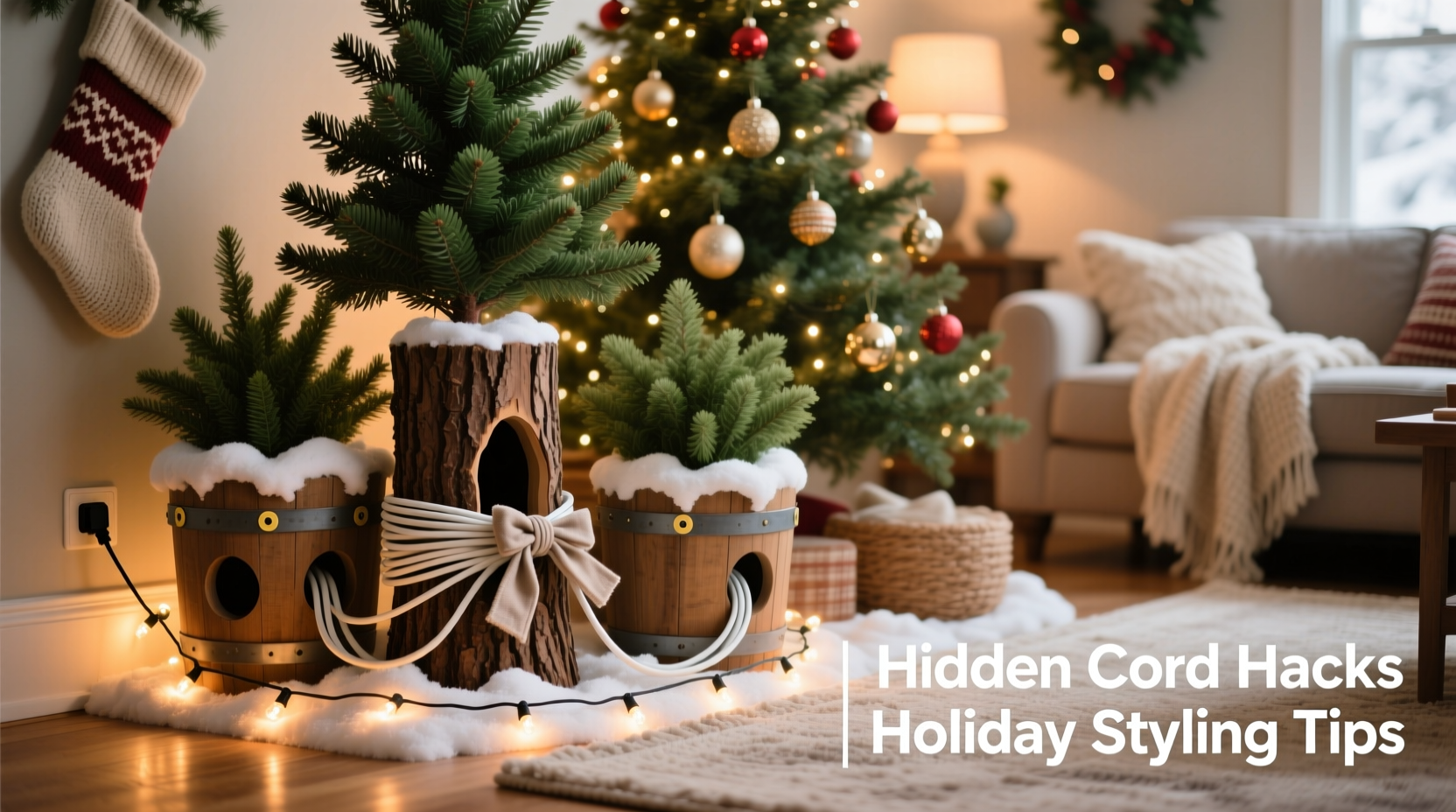
Extension cords are essential for most Christmas light setups, especially outdoors where outlets are limited. However, leaving them exposed creates multiple issues:
- Safety hazards: Tripping over cords is one of the most common winter injuries, particularly in low-light conditions.
- Weather vulnerability: Rain, snow, and ice can degrade insulation, increasing the risk of short circuits or shocks.
- Pest interference: Rodents may chew through unprotected cords, creating fire risks.
- Aesthetic disruption: Visible cords break the illusion of magical holiday scenery.
- Maintenance difficulty: Tangled or buried cords complicate troubleshooting when sections fail.
The goal isn't to eliminate cords—it's to manage them intelligently. Proper concealment combines practical routing, protective materials, and strategic placement so that functionality doesn’t sacrifice form.
Step-by-Step Guide to Concealing Outdoor Cords
Effective cord management starts before the first bulb is hung. Follow this sequence to ensure a clean, safe installation:
- Plan your layout. Sketch your display area and mark outlet locations. Determine the shortest viable path from each power source to its destination. Avoid crossing high-traffic zones like driveways or entry paths.
- Choose the right cord length. Use the minimum necessary length to reduce slack. Too much excess leads to clutter and increases resistance, which can dim lights or overheat connections.
- Route along natural edges. Run cords along rooflines, down downspouts, behind bushes, or under mulch beds. These areas naturally mask wires without requiring additional tools.
- Secure cords at intervals. Use plastic cable clips, insulated staples, or adhesive mounts every 18–24 inches to prevent sagging and shifting due to wind or snow load.
- Protect ground-level runs. For cords crossing walkways or lawns, use flat cord covers or rubber ramp protectors. These allow foot and vehicle traffic without damaging wires.
- Label connections. Tag each cord end with its corresponding display section (e.g., “Front Tree,” “Garland”) to simplify maintenance and seasonal storage.
- Test before finalizing. Plug in all lights and check operation. Adjust positioning if flickering occurs—this could indicate pinched or overloaded cords.
This methodical approach prevents last-minute fixes and ensures durability through changing winter conditions.
Tools and Materials for Effective Cord Concealment
The right supplies make a significant difference in both appearance and safety. Below is a comparison of commonly used solutions for hiding extension cords during Christmas displays.
| Tool/Method | Best For | Pros | Cons |
|---|---|---|---|
| Cable Clips (Plastic) | Attaching cords to walls, gutters, fences | Affordable, UV-resistant, easy to install | Can become brittle in extreme cold |
| Rubber Cord Covers | Walkways, driveways, patios | Slip-resistant, vehicle-safe, temporary | Visible unless painted/matched to surface |
| Conduit (Flexible PVC) | Permanent or semi-permanent runs | Durable, rodent-proof, weather-sealed | Costly, requires drilling, less flexible |
| Mulch or Landscaping Beds | Ground-level routes near shrubs | Natural camouflage, no extra cost | Vulnerable to digging animals |
| Adhesive Cable Raceways | Under eaves, along trim | Paintable, low-profile, removable | Bond weakens in freezing temps |
Selecting the appropriate tool depends on your home’s architecture, climate, and how long you plan to keep the display up. For renters or temporary decorators, removable options like clips and ramp covers offer flexibility. Homeowners investing in annual displays might consider installing permanent conduit channels during warmer months.
Real Example: A Suburban Family’s Safer Front Yard Display
The Thompson family in Minneapolis has hosted a neighborhood-favorite Christmas light show for seven years. Initially, they draped cords haphazardly across their front lawn and sidewalk, leading to several close calls with visitors tripping. One winter, a squirrel chewed through an exposed cord, causing a partial outage and requiring an emergency electrician visit.
The following year, they redesigned their setup using structured concealment methods. They routed main power lines through flexible PVC conduit buried two inches beneath garden edging, emerging near display zones. Walkway crossings were protected with gray rubber covers painted to resemble stone pavers. Roofline cords were secured with UV-stabilized clips tucked behind shingle edges.
The result? Zero incidents over the next five seasons. Their display now receives consistent compliments not only for brightness but also for its clean, professional finish. Most importantly, their young children and elderly neighbors can navigate the property safely, even at night.
“Proper cord management transformed our holiday display from chaotic to cohesive. It took an extra afternoon to install, but we’ve saved time, money, and stress ever since.” — Mark Thompson, DIY Decorator & Father of Three
Common Mistakes to Avoid
Even experienced decorators make errors when managing cords. Steering clear of these pitfalls ensures longevity and safety:
- Burying standard cords underground: Regular extension cords aren’t rated for burial. Moisture seepage leads to corrosion and electrical faults. Use only direct-burial-rated cable or conduit-protected wiring.
- Overloading outlets: Daisy-chaining too many strands into one outlet causes overheating. Use a power strip with surge protection and adhere to wattage limits.
- Ignoring GFCI protection: All outdoor circuits should run through Ground Fault Circuit Interrupter (GFCI) outlets or adapters. These cut power instantly if moisture interferes, preventing shocks.
- Taping cords to surfaces: Duct tape loses adhesion in cold weather and leaves residue. It also traps moisture against the cord jacket, accelerating decay.
- Running cords through windows or doors: This blocks proper closure, risks crushing wires, and creates drafts. Instead, use a dedicated exterior outlet or a cord channel designed for window gaps.
Checklist: Pre-Installation Cord Management Plan
Before hanging a single strand of lights, complete this checklist to ensure cords are hidden safely and efficiently:
- ☐ Confirm all extension cords are rated for outdoor use (look for “W” rating)
- ☐ Test GFCI outlets or plug into a GFCI-protected power strip
- ☐ Map cord routes avoiding sidewalks, driveways, and play areas
- ☐ Gather necessary concealment tools (clips, covers, conduit, etc.)
- ☐ Measure distances to avoid excessive cord length
- ☐ Inspect cords for frays, cracks, or damaged connectors
- ☐ Label each cord by display zone for easy identification
- ☐ Secure approval if required (renters, HOA communities)
Completing this list reduces installation time and minimizes post-setup corrections.
Frequently Asked Questions
Can I bury extension cords in my garden bed?
No—standard extension cords are not designed for direct burial. Soil moisture, temperature swings, and pests will compromise insulation. If you must route underground, encase the cord in waterproof conduit or use direct-burial-rated landscape cable installed by a licensed electrician.
What’s the safest way to cross a driveway with cords?
Use low-profile rubber or plastic cord ramps rated for vehicle traffic. These protect wires from compression while allowing cars to pass safely. Avoid placing cords under tires without protection, as repeated pressure can sever internal wires.
How do I prevent cords from becoming visible after snowfall?
Anchor cords tightly and cover ground runs with flexible raceways or shallow trenching beneath mulch or gravel. Avoid loose placement on top of landscaping. Snow can shift and expose cords, creating trip hazards and uneven lighting effects.
Conclusion: Safety and Style Go Hand-in-Hand
A stunning Christmas display doesn’t have to come at the expense of safety or organization. By applying smart cord concealment techniques, you protect your household, preserve your equipment, and elevate the professionalism of your holiday decor. The effort invested in planning and hiding extension cords pays off in fewer malfunctions, lower risks, and a more immersive festive experience for everyone who sees it.
Start early, use the right materials, and never compromise on electrical safety. Whether you’re illuminating a modest porch or orchestrating a full-yard spectacle, remember that the best displays aren’t just bright—they’re thoughtfully engineered. Take pride in creating a holiday atmosphere that dazzles the eyes without endangering feet or fingers.




 浙公网安备
33010002000092号
浙公网安备
33010002000092号 浙B2-20120091-4
Comments
No comments yet. Why don't you start the discussion?