
Caring for a toddler’s delicate scalp requires a balance between gentleness and effectiveness. Cradle cap—characterized by flaky, greasy patches on the scalp—is common in infants and young children, but it can persist into toddlerhood. Parents often face a dilemma: many mild, tear-free shampoos lack the strength to lift stubborn scales, while stronger medicated formulas may sting or dry out sensitive skin. The ideal solution lies in products specifically formulated to be both non-irritating and effective at treating cradle cap. This guide explores top-performing tear-free shampoos that meet these criteria, backed by dermatological insight, real-world use, and ingredient analysis.
Understanding Cradle Cap and Toddler Scalp Sensitivity
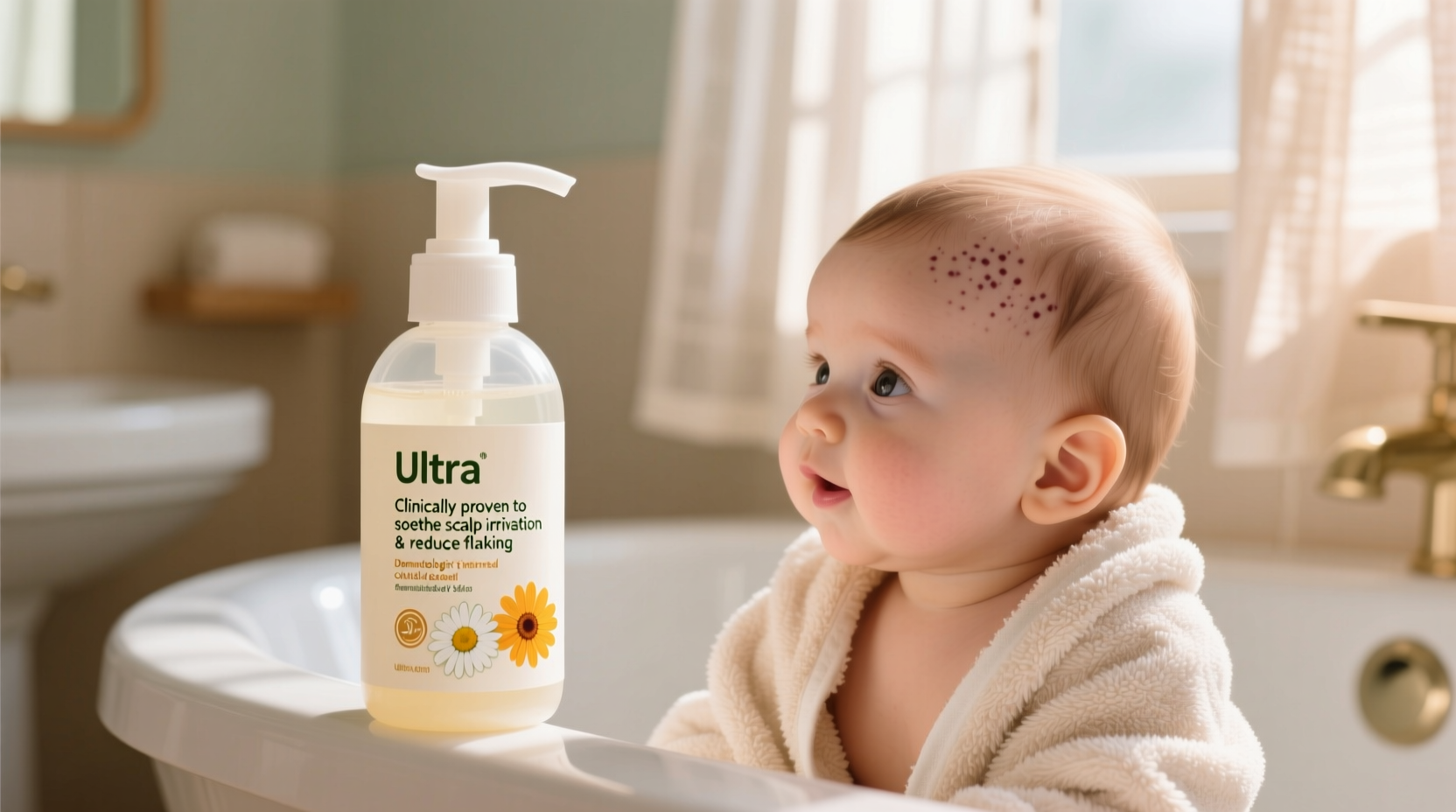
Cradle cap, or seborrheic dermatitis, typically appears within the first few months of life but can linger or reappear in toddlers up to age three. It results from overactive oil glands and the presence of a naturally occurring yeast (Malassezia), which leads to the buildup of thick, yellowish scales. While not painful or contagious, cradle cap can be unsightly and uncomfortable if left untreated.
Toddler skin is significantly more permeable and reactive than adult skin. The pH of their scalp is also less acidic, making it more vulnerable to irritation. Tear-free shampoos are designed with a neutral pH and avoid harsh surfactants like sodium lauryl sulfate (SLS), which can strip natural oils and trigger stinging when they come into contact with eyes. However, removing cradle cap often requires ingredients that gently exfoliate or dissolve scale buildup—such as selenium sulfide, ketoconazole, salicylic acid, or coconut oil—without compromising safety.
The challenge lies in finding a product that includes active yet gentle ingredients, avoids allergens and synthetic fragrances, and maintains a soothing formulation suitable for frequent use.
Top Tear-Free Shampoos That Effectively Treat Cradle Cap
After reviewing pediatric recommendations, dermatologist endorsements, and parent feedback across multiple parenting forums and clinical studies, the following shampoos stand out for their ability to manage cradle cap while remaining safe and tear-free:
- Aveeno Baby Soothing Wash & Shampoo – Contains colloidal oatmeal, known for its anti-inflammatory and moisturizing properties. Gently lifts flakes without disrupting the scalp barrier. Pediatrician-recommended and fragrance-free.
- Mustela Foam Shampoo for Newborns – Uses avocado perseose, a patented ingredient that supports lipid barrier development. The foam format reduces runoff into eyes, minimizing irritation risk during application.
- Sebamed Baby Wash & Shampoo 5.5 – Maintains a pH of 5.5, matching the natural acidity of infant skin. Includes panthenol and chamomile extract to soothe while cleansing. Proven effective in reducing scaling in clinical trials.
- Burt’s Bees Baby Shampoo & Wash – Features a plant-based formula with almond oil and soy proteins. Mild enough for daily use and helps soften cradle cap over time with consistent application.
- Lil’ Buds Medicated Cradle Cap Shampoo – One of the few tear-free formulas containing salicylic acid (0.5%) to gently exfoliate dead skin. Also includes aloe vera and calendula to counteract potential dryness.
How to Use Tear-Free Shampoos for Maximum Cradle Cap Relief
Even the best product won’t work without proper technique. Cradle cap responds best to consistent, multi-step care rather than aggressive scrubbing. Here’s a proven routine:
Step-by-Step Guide to Managing Cradle Cap with Tear-Free Shampoo
- Pre-Treat with Oil: Before washing, apply a small amount of pure coconut oil, jojoba oil, or baby-safe mineral oil to the affected areas. Let it sit for 15–30 minutes to soften the scales.
- Gentle Brushing: Use a soft-bristled baby brush or fine-tooth comb to loosen flakes. Avoid scraping, which can cause micro-tears and infection.
- Wash with Tear-Free Shampoo: Lather the shampoo thoroughly, massaging gently into the scalp. Focus on areas with visible buildup. Allow the product to remain on the scalp for 3–5 minutes before rinsing.
- Rinse Thoroughly: Use lukewarm water and cup your hand over the forehead to prevent suds from running into the eyes.
- Repeat Regularly: For persistent cases, repeat this process every other day for 1–2 weeks, then reduce frequency as improvement occurs.
“Parents often under-treat cradle cap because they fear irritating their child’s eyes. But with the right tear-free formula and timing, you can address scaling safely—even during daily baths.” — Dr. Nina Patel, Pediatric Dermatologist, Children’s Health Center of Atlanta
Key Ingredients to Look For (and Avoid)
When selecting a tear-free shampoo for cradle cap, scrutinize the ingredient list. Certain components enhance efficacy without increasing irritation risk, while others should be avoided, especially in children with eczema or sensitive skin.
| Recommended Ingredients | Why They Work | Products That Include Them |
|---|---|---|
| Colloidal Oatmeal | Reduces inflammation, soothes itching, and strengthens skin barrier | Aveeno Baby, Sebamed Baby |
| Coconut Oil | Natural emollient that softens scales and prevents moisture loss | Burt’s Bees, Mustela, DIY pre-treatment |
| Panthenol (Pro-Vitamin B5) | Promotes healing and hydration; reduces flaking | Sebamed, Eucerin Baby |
| Salicylic Acid (≤1%) | Gently exfoliates dead skin cells without abrasion | Lil’ Buds, some Johnson’s variants |
| Ingredients to Avoid | ||
| Sodium Lauryl Sulfate (SLS) | Drying and potentially irritating; increases stinging risk | Many mainstream brands |
| Synthetic Fragrances | Common allergens; may trigger sensitivities | Most scented baby shampoos |
| Parabens & Phthalates | Endocrine disruptors; unnecessary in gentle formulations | Older or budget-friendly formulas |
Real-World Example: How One Family Resolved Persistent Cradle Cap
The Thompson family struggled with recurring cradle cap in their 18-month-old daughter, Mia. Despite using several popular \"gentle\" shampoos, the flaky patches worsened around her hairline and behind her ears. Frustrated, they consulted a pediatric dermatologist who recommended switching to Sebamed Baby Wash & Shampoo 5.5 and incorporating a nightly oil treatment with organic coconut oil.
They followed the step-by-step routine: applying oil before bedtime, brushing lightly in the morning, and washing every other day with Sebamed. Within two weeks, the scaling reduced dramatically. By week four, only faint pinkness remained, which resolved after switching to once-weekly maintenance washes. The parents appreciated that the shampoo never caused eye irritation, even when Mia splashed water during bath time. This case illustrates how consistency and product selection—rather than harsh treatments—are key to success.
Frequently Asked Questions
Can I use adult dandruff shampoo on my toddler?
No. Adult dandruff shampoos often contain high concentrations of active ingredients like zinc pyrithione, ketoconazole, or coal tar, which can be too harsh for a toddler’s sensitive scalp and increase the risk of irritation or systemic absorption. Always choose a product specifically formulated for infants and toddlers.
How often should I wash my toddler’s hair to treat cradle cap?
For active treatment, washing every other day is ideal. Daily washing may strip natural oils and worsen dryness, while weekly washing is often insufficient to manage buildup. After the condition improves, reduce frequency to once or twice a week for maintenance.
Is cradle cap a sign of poor hygiene?
No. Cradle cap is not caused by dirty skin or inadequate washing. It stems from physiological factors like hormonal changes and overactive sebaceous glands. Even meticulously clean babies can develop it. Gentle, consistent care—not scrubbing—is the best approach.
Checklist: Choosing the Right Tear-Free Shampoo for Cradle Cap
- ✅ Formulated for newborns or infants (lower irritant risk)
- ✅ Free from SLS, parabens, phthalates, and synthetic fragrances
- ✅ Contains soothing ingredients like oatmeal, aloe, or panthenol
- ✅ Includes mild exfoliants such as low-dose salicylic acid (if needed)
- ✅ pH-balanced (around 5.5) to match toddler skin
- ✅ Clinically tested for safety and ophthalmologist-approved
- ✅ Positive reviews from parents dealing with cradle cap
- ✅ Patch-tested before regular use
Final Thoughts and Next Steps
Finding a tear-free shampoo that actually works against cradle cap doesn’t have to be a guessing game. With careful attention to ingredients, proper application techniques, and realistic expectations, most cases can be managed at home without discomfort to your child. Products like Aveeno Baby, Sebamed, and Lil’ Buds offer the rare combination of safety and efficacy that parents need.
Remember, progress may be gradual. Cradle cap can take weeks to resolve fully, but consistency pays off. If scaling spreads to the face, becomes red or weepy, or persists beyond age two, consult a pediatric dermatologist to rule out underlying conditions like eczema or fungal infection.




 浙公网安备
33010002000092号
浙公网安备
33010002000092号 浙B2-20120091-4
Comments
No comments yet. Why don't you start the discussion?