
False eyelashes can elevate your look from subtle to stunning in minutes. But for many, the experience comes with discomfort—especially when blinking feels awkward or unnatural. This often stems from improper application, poor lash selection, or misalignment with your natural eye shape. The good news: with the right techniques, tools, and attention to detail, you can wear falsies confidently and comfortably all day long. This guide breaks down proven methods to apply false eyelashes without blinking issues, so your eyes stay expressive, open, and irritation-free.
Why Blinking Issues Occur with False Eyelashes
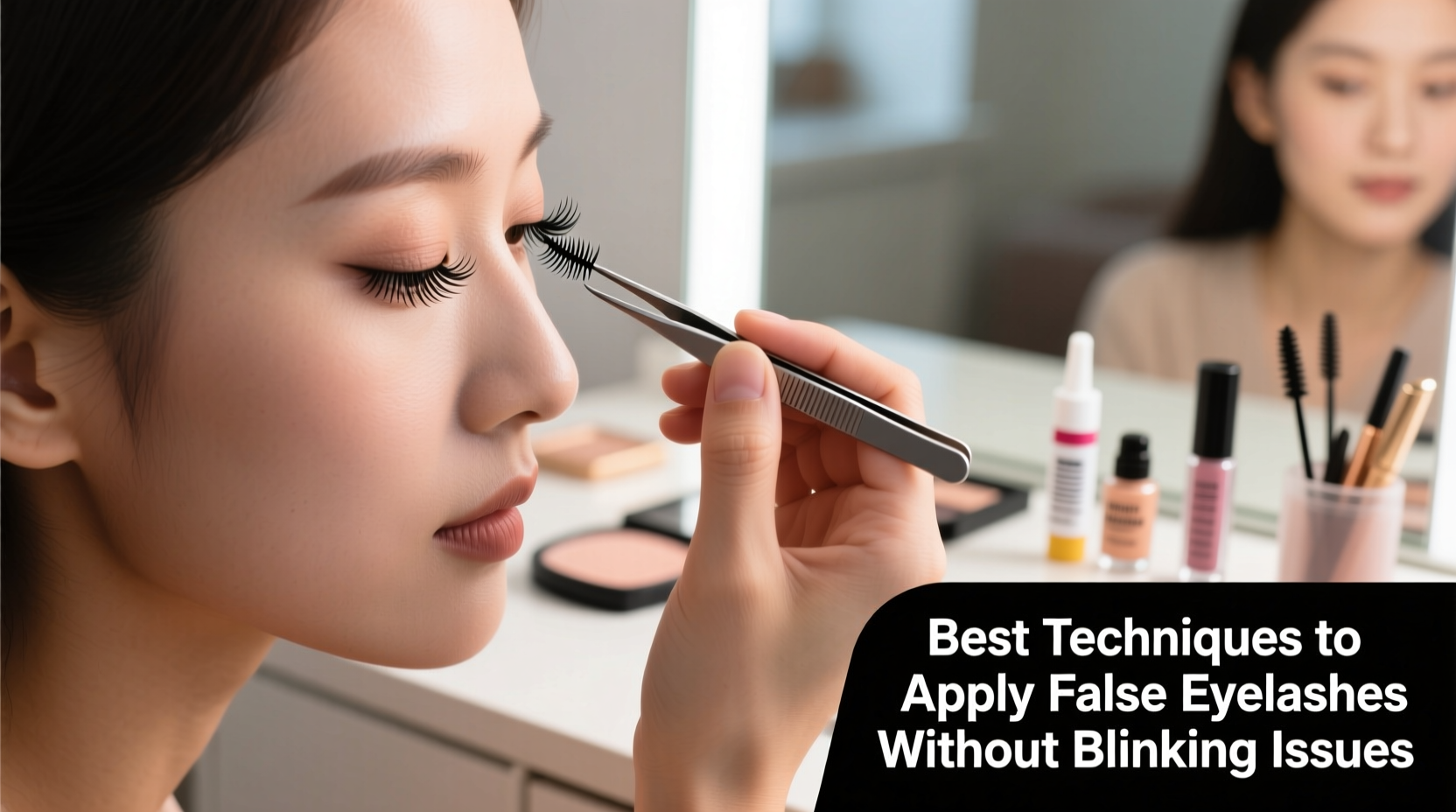
Blinking should be effortless, but false lashes can disrupt this reflex if not applied correctly. Common causes include:
- Lash weight: Heavy or overly dense strips press on the natural lash line, making each blink feel strained.
- Poor trimming: Lashes that extend beyond your natural lash line catch on the upper lid or cornea, causing discomfort.
- Incorrect curve: A mismatch between the curl of your natural lashes and the falsies leads to unnatural movement during blinks.
- Excess glue buildup: Thick adhesive dries stiffly, restricting eyelid motion and creating a \"tight\" sensation.
- Improper placement: Attaching lashes too close to the lash root or above the lash line alters the natural blink path.
Understanding these factors is the first step toward solving the problem. Comfort begins before you even pick up the tweezers.
Choosing the Right False Eyelashes for Comfort
Not all false lashes are created equal. Prioritize comfort over drama when selecting a pair. Lightweight materials like silk fibers or thin synthetic threads are ideal. Avoid thick, theatrical lashes for daily wear unless modified.
The band material also matters. Look for ultra-thin, flexible cotton or invisible mesh bands. These conform naturally to the curvature of your eyelid, reducing resistance during blinks. Thicker plastic bands may hold their shape better but often contribute to stiffness and irritation.
“Comfortable false lashes shouldn’t feel like they’re ‘on’ at all. When applied right, you forget you’re wearing them.” — Lena Torres, Celebrity Makeup Artist
Consider partial or corner lashes if full strips consistently cause discomfort. They provide enhancement where it’s most visible—toward the outer corners—without covering the entire lash line, minimizing interference with blinking mechanics.
Do’s and Don’ts When Selecting False Lashes
| Do | Don't |
|---|---|
| Choose lightweight, wispy styles | Select heavy, densely packed lashes |
| Opt for flexible, thin bands | Use stiff, plastic-based bands |
| Pick a curl that matches your natural lashes (e.g., C-curl) | Mismatch curl types (e.g., D-curl on straight lashes) |
| Trim to fit your eye length | Apply full-length lashes without adjusting |
| Test on one eye first | Assume all brands fit the same |
Step-by-Step Guide to Applying False Eyelashes Without Blinking Issues
Achieving seamless comfort starts with precision. Follow this detailed process to ensure your false lashes integrate naturally with your eye movement.
- Remove natural lash curl: Gently press down any upward curl in your natural lashes using a lash comb or clean spoolie. This creates a flat surface for adhesion and prevents the falsies from being pushed upward during blinks.
- Measure and trim the lash strip: Hold the false lash against your lash line starting from the inner corner. Mark where it ends past your outer corner and trim from the outer end using small scissors. Never cut from the inner edge—it can alter the band’s flexibility.
- Shape the band to your eye curve: Before applying glue, gently bend the lash strip into a U-shape between your fingers. This pre-curving helps the band conform to your eyelid, reducing resistance when blinking.
- Apply a thin, even layer of adhesive: Squeeze a small amount of latex-free lash glue onto the back of your hand. Using a toothpick or applicator, spread a very thin line along the band. Wait 30–45 seconds until the glue becomes tacky. Wet glue stretches and dries stiff, increasing discomfort.
- Position with precision: Use tweezers or a lash applicator to place the center of the lash strip first, aligning it just above your natural lash line. Then secure the outer corner, followed by the inner corner. Avoid pressing down too hard—let the adhesive set naturally.
- Blend with natural lashes: Once secured, use a heated eyelash curler (low heat) or warm spoon to gently press your natural lashes and falsies together. This creates a unified lift and reduces the sensation of two separate layers.
- Check blink clearance: Close your eyes slowly. If the lashes brush against your brow or feel tight, gently lift the outer edge with tweezers and re-adhere. The strip should sit flush without protruding upward.
Real-Life Example: From Frustration to Flawless Application
Sophia, a 29-year-old marketing executive, loved the look of false lashes but avoided them due to constant discomfort. “Every time I blinked, my eyes felt heavy, and by midday, I’d tear up,” she said. After consulting a professional makeup artist, she discovered her issue stemmed from using theater-grade lashes designed for stage lighting—not everyday wear.
She switched to a lightweight, hand-made mink-style strip with a feathered outer edge and a thin, flexible band. She also began trimming each pair to match her eye width (1.2 inches shorter than the original). By applying glue sparingly and waiting for it to become tacky, she reduced stiffness. Within days, her blinking issues disappeared. “Now I wear them five times a week. I don’t even notice them anymore,” she shared.
Her transformation underscores a key principle: suitability trumps size. The most dramatic lashes aren’t always the best choice for functional comfort.
Expert Tips for Long-Term Comfort and Performance
Even with perfect application, small adjustments can make a big difference in how your lashes feel throughout the day.
- Use latex-free adhesive: Latex-based glues tend to dry harder and may irritate sensitive eyes. Opt for medical-grade or hypoallergenic formulas like Duo Brush-On Striplash Adhesive (Sensitive Formula).
- Reinforce only where needed: If one end lifts, add a tiny dot of glue instead of reapplying across the entire band. Excess glue accumulates stiffness over time.
- Store lashes properly: After removal, clean off glue residue with micellar water and store in the original case. Reusable lashes maintain flexibility longer when kept in shape.
- Limit wear time: Avoid sleeping in falsies. Extended wear stresses natural lashes and increases friction, leading to morning discomfort and potential irritation.
“Most blinking problems come from over-application—too much glue, too much lash, too much pressure. Less is more.” — Jamal Reed, Professional Bridal Makeup Specialist
Frequently Asked Questions
Can false lashes damage my natural lashes if I blink too much?
No, blinking itself won’t cause damage. However, poorly applied lashes—especially those glued directly to natural hairs—can lead to traction alopecia over time. Always attach the strip to the lash line skin, not the natural lashes, and remove gently with oil-based remover.
Why do my false lashes feel fine at first but become uncomfortable later?
This is often due to adhesive migration or swelling. Some glues soften slightly during the day, causing the band to shift. Additionally, environmental factors like humidity or prolonged screen use can cause mild eyelid puffiness, altering how the lashes sit. Choose waterproof, flexible adhesives for longer wear stability.
Are magnetic lashes better for avoiding blinking issues?
For some, yes. Magnetic lashes eliminate the need for glue, reducing stiffness and chemical exposure. However, the magnets can be heavier than traditional strips, so choose lightweight designs. They work best for people with stronger natural lashes to support the added weight.
Final Checklist: Application Success in 7 Steps
- Choose lightweight, flexible false lashes with a soft band.
- Trim to fit your eye length, cutting from the outer edge.
- Pre-bend the lash strip to match your eye’s natural curve.
- Apply a thin layer of latex-free glue and wait until tacky.
- Place center first, then outer and inner corners with tweezers.
- Press gently to blend with natural lashes using a warm tool.
- Test blink motion and adjust if any part feels elevated or tight.
Conclusion
Wearing false eyelashes shouldn’t mean sacrificing comfort for beauty. With the right selection, precise application, and mindful habits, you can enjoy voluminous, fluttery lashes that move as naturally as your own. Blink freely, look fabulous, and let your eyes do the talking—without any strain. Whether you're preparing for a special event or elevating your daily routine, mastering these techniques ensures your lashes enhance, not hinder, your expression.




 浙公网安备
33010002000092号
浙公网安备
33010002000092号 浙B2-20120091-4
Comments
No comments yet. Why don't you start the discussion?