
In today’s knowledge-driven work culture, sedentary lifestyles are a growing concern. Sitting for prolonged periods has been linked to increased risks of cardiovascular disease, metabolic slowdown, and reduced cognitive performance. One solution gaining momentum is the integration of light physical activity into the workday—specifically, walking while working. Under desk treadmills offer a seamless way to stay active without disrupting productivity. But not all models are created equal, especially when noise becomes a dealbreaker in shared offices or quiet home environments.
The ideal under desk treadmill combines whisper-quiet operation, compact design, smooth belt motion, and reliable speed control—all while fitting neatly beneath most standard desks. This guide explores top-performing models that deliver on silence and functionality, helping you make an informed decision based on real-world performance, user feedback, and technical specifications.
Why Quiet Operation Matters
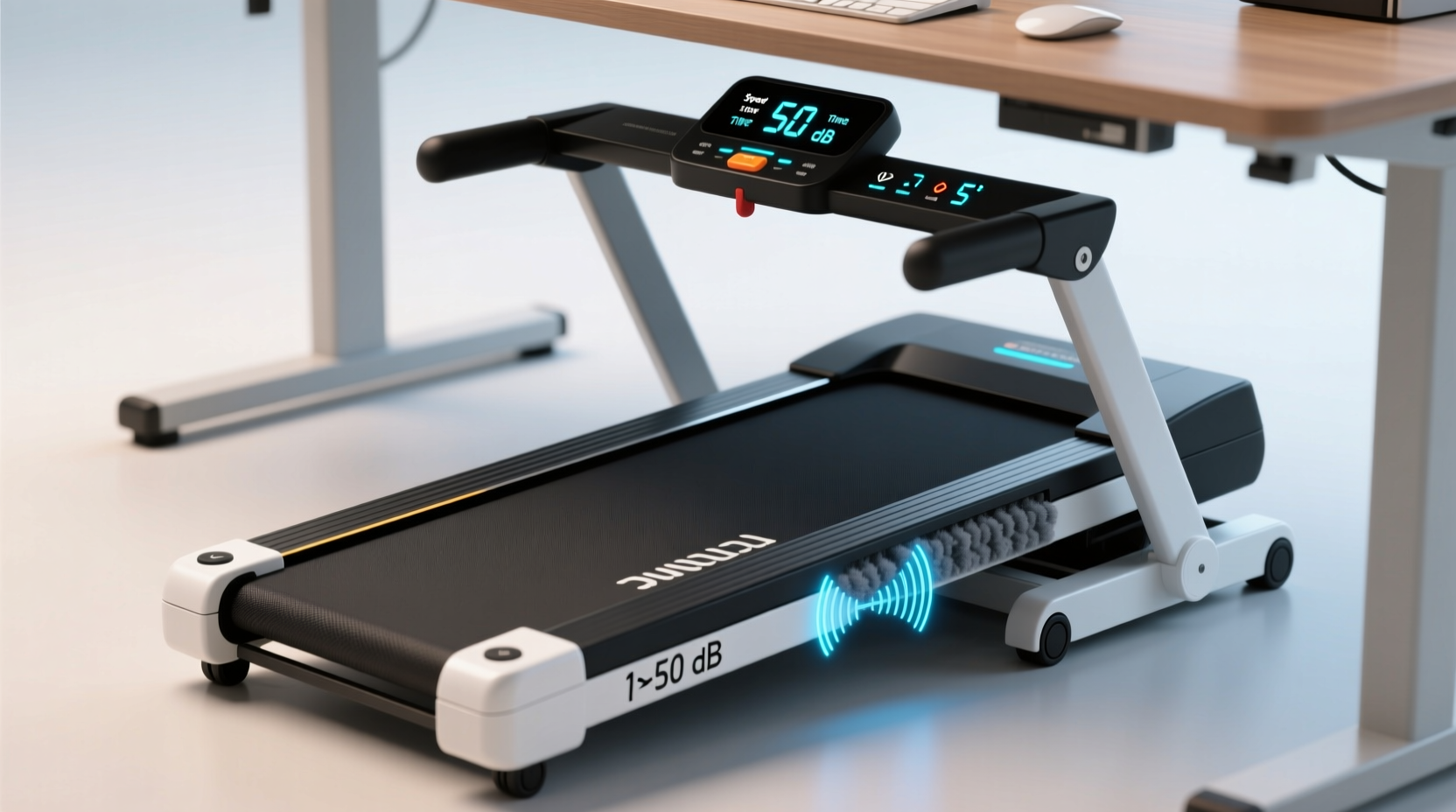
Noise isn’t just a distraction—it can break concentration, disrupt virtual meetings, and create friction in shared living or working spaces. Many budget treadmills generate noticeable motor hums, belt slaps, or mechanical clicks, making them impractical for use during phone calls or video conferences.
High-quality under desk treadmills utilize brushless DC motors, which are inherently quieter and more energy-efficient than traditional AC motors. These motors also tend to have longer lifespans and require less maintenance. Additionally, advanced belt materials and deck cushioning reduce footfall noise, ensuring that your walking remains nearly inaudible even in silent rooms.
“Introducing low-impact movement into the workday improves circulation, mental clarity, and long-term musculoskeletal health—but only if the equipment doesn’t compromise your environment.” — Dr. Lena Patel, Occupational Health Specialist
Top 5 Quiet Under Desk Treadmills Compared
| Model | Noise Level (dB) | Max Speed (mph) | Weight Capacity (lbs) | Price Range | Key Feature |
|---|---|---|---|---|---|
| WalkingPad R1 Pro | ~45 dB | 3.7 | 265 | $500–$600 | Foldable, ultra-slim, dual Bluetooth speakers |
| LifeSpan TR1200-DT5 | ~48 dB | 4.0 | 350 | $1,200 | Premium build, integrated desk compatibility |
| Stamina InMotion T12 | ~50 dB | 3.5 | 250 | $300–$350 | Budget-friendly, compact footprint |
| DeskCycle II Pedal Exerciser | ~35 dB | N/A (pedaling) | 250 | $250 | Silent alternative with minimal space use |
| FitDesk 2-in-1 Under Desk Treadmill | ~47 dB | 3.5 | 250 | $550 | Dual function: treadmill + cycle mode |
Note: Noise levels are measured at average walking speeds (2–3 mph) in controlled indoor environments. Real-world results may vary slightly depending on flooring type and usage patterns.
How to Choose the Right Model for Your Workspace
Selecting the best under desk treadmill involves more than just checking decibel ratings. Consider these critical factors before purchasing:
- Clearance Height: Measure the space beneath your desk. Most models require at least 6 inches of clearance between the floor and the bottom of the desktop.
- Footprint Size: Compact units like the Stamina T12 fit under smaller desks, while larger models like the LifeSpan DT5 need dedicated standing desk setups.
- Speed Range: For walking while typing or reading, speeds between 1.5 and 3.0 mph are optimal. Higher speeds may interfere with fine motor tasks.
- Motion Stability: Look for non-slip belts and anti-vibration bases. A stable platform prevents distracting wobble during use.
- Remote Control & Display: Easy-access controls allow adjustments without bending down. Backlit LCD screens help monitor time, distance, and calories.
Real-World Example: Remote Worker Transforms Her Routine
Sarah, a technical writer from Portland, spent nearly eight hours daily seated at her desk. After experiencing chronic lower back pain and afternoon fatigue, she invested in a WalkingPad R1 Pro. She placed it under her adjustable standing desk and began walking at 2 mph during research and drafting sessions.
Within three weeks, Sarah reported improved posture, fewer migraines, and a consistent 10% increase in daily step count. More importantly, her roommates rarely noticed the treadmill was running. “I use it during Zoom calls,” she said. “No one’s ever asked if there’s background noise. It’s just… there, quietly doing its job.”
Step-by-Step Guide to Integrating a Treadmill Into Your Workday
Adopting a new habit takes intentionality. Follow this timeline to smoothly incorporate walking into your workflow:
- Week 1: Test and Position
Assemble the treadmill and place it under your desk. Walk for 15 minutes during low-focus tasks (emails, calls). Get used to typing while moving. - Week 2: Build Duration
Extend walking sessions to 30 minutes, two to three times per day. Use a timer or app reminder to prompt transitions. - Week 3: Optimize Workflow Alignment
Match treadmill use with suitable activities—reading, brainstorming, listening to lectures. Avoid complex writing or detailed spreadsheet work initially. - Week 4: Establish Routine
Aim for 60–90 minutes of cumulative walking daily. Adjust speed and incline gradually if available. Track progress via built-in metrics or wearable devices. - Ongoing: Maintain and Monitor
Clean the belt weekly, check for loose parts monthly, and reassess comfort every few months. Replace shoes regularly to prevent uneven wear.
Checklist: Pre-Purchase Evaluation
Before buying an under desk treadmill, verify the following:
- ✅ Confirmed noise level below 50 dB at 2.5 mph
- ✅ Sufficient under-desk clearance (minimum 6\")
- ✅ Weight capacity exceeds your body weight by at least 50 lbs
- ✅ Foldable or mobile design if space is limited
- ✅ Remote control or easy-to-reach console
- ✅ Warranty of at least 1 year on motor and frame
- ✅ Positive reviews mentioning quiet operation and durability
- ✅ Compatibility with your flooring (use mat if needed)
Alternatives for Ultra-Quiet Environments
If even the quietest treadmills exceed your noise tolerance—such as in recording studios, libraries, or open-concept apartments—consider pedal exercisers as a near-silent alternative.
The DeskCycle II, for instance, operates at around 35 dB, quieter than a whisper. While it doesn’t simulate walking, it engages leg muscles and promotes blood flow through smooth, circular motion. It's also significantly lighter and easier to store. However, calorie burn and cardiovascular benefits are lower compared to full-step walking.
Another option is scheduling short walking breaks every hour using a separate full-size treadmill. Though less seamless, this method eliminates constant machine presence and noise during deep work phases.
Frequently Asked Questions
Can I really walk and work effectively at the same time?
Yes, but effectiveness depends on the task. Walking at 1.5–2.5 mph enhances cognitive function and focus for passive tasks like reading, listening, or attending meetings. However, complex writing, coding, or detailed editing may suffer due to slight balance shifts. Most users find a rhythm after a week of practice.
Do quiet treadmills cost more?
Generally, yes. Models with advanced brushless motors, vibration-dampening frames, and premium belts tend to be priced higher. However, mid-range options like the Stamina T12 and WalkingPad R1 Pro offer excellent noise-to-price ratios. Expect to invest between $300 and $600 for a reliably quiet unit.
How do I minimize sound transmission through floors?
Place the treadmill on a thick rubber exercise mat or anti-fatigue mat. These absorb both impact noise and vibrations. For upper-floor apartments, avoid concrete-filled tires or heavy-duty mats designed for gyms—they provide maximum isolation. Also, ensure the treadmill feet have non-marking, soft pads.
Final Thoughts: Movement Without Disruption
The fusion of wellness and productivity no longer requires trade-offs. Today’s best under desk treadmills prove that staying active during work hours is not only feasible but sustainable—especially when noise is minimized to near-background levels. Whether you're a remote employee, freelancer, student, or creative professional, integrating gentle movement into your day can enhance both physical vitality and mental sharpness.
Models like the WalkingPad R1 Pro and LifeSpan TR1200-DT5 set the standard for quiet, efficient performance, while budget-conscious users can rely on the Stamina T12 with proper placement and usage habits. The key lies in choosing a machine that aligns with your space, noise sensitivity, and daily routine—not just specs on a label.




 浙公网安备
33010002000092号
浙公网安备
33010002000092号 浙B2-20120091-4
Comments
No comments yet. Why don't you start the discussion?