
A small closet doesn’t have to mean limited storage or compromised style. With thoughtful planning and strategic organization, even the most compact wardrobe space can become highly functional and visually appealing. The key lies in maximizing vertical space, minimizing clutter, and using design elements that enhance both usability and aesthetics. Whether you’re dealing with a reach-in closet in a studio apartment or a tight bedroom wardrobe, these proven methods will help you transform it into an efficient and stylish hub for your clothing and accessories.
Assess and Edit Your Wardrobe First
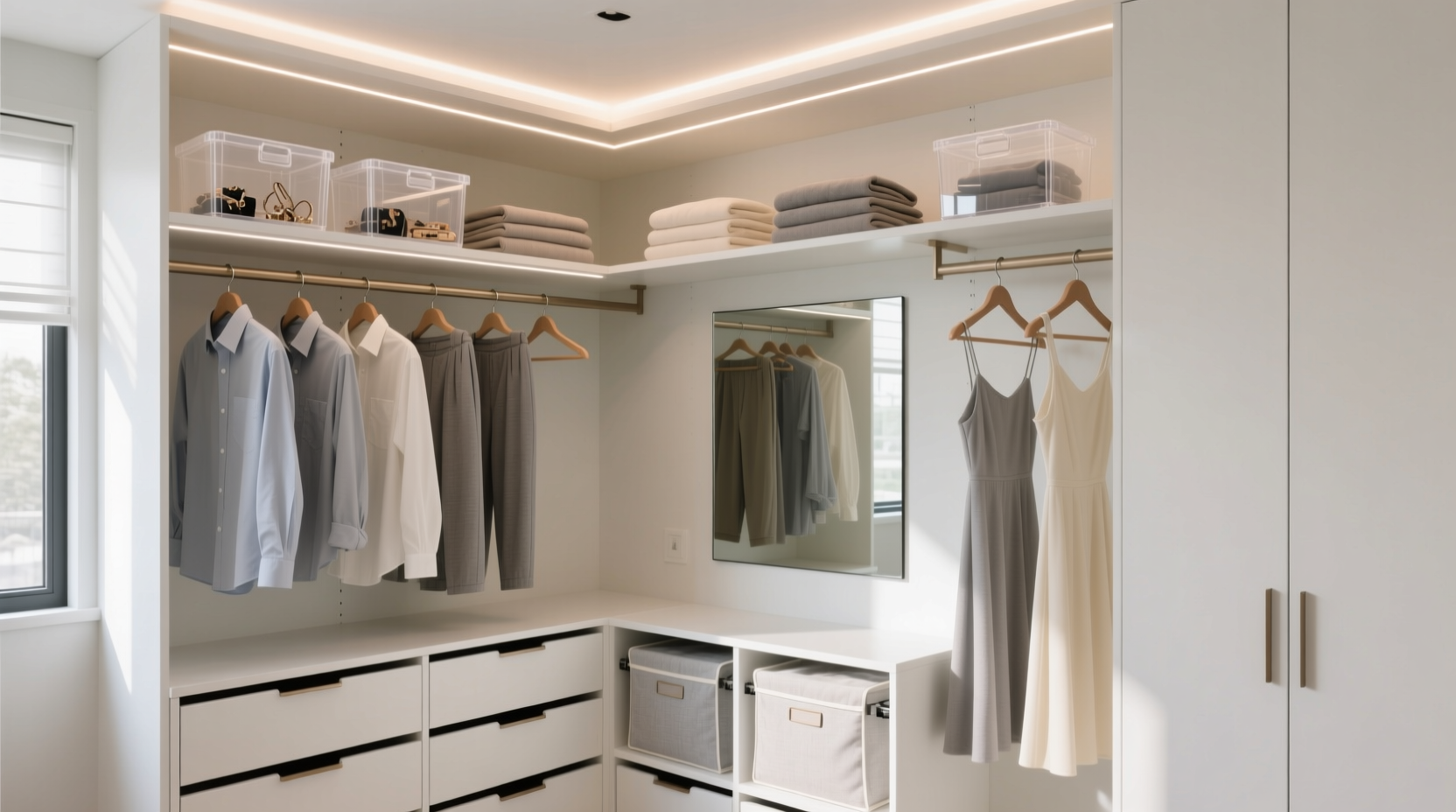
Before reorganizing, take everything out. This may seem drastic, but it’s essential. Laying all your clothes, shoes, and accessories on the bed or floor gives you a clear picture of what you own and how much space each category occupies. Use this opportunity to evaluate every item critically. Ask yourself: Have I worn this in the past year? Does it fit well? Is it in good condition? Does it align with my current lifestyle?
Be ruthless. Donate or sell items that no longer serve you. A smaller, curated wardrobe is easier to manage and more enjoyable to use. Once you’ve edited down to only what you love and wear regularly, you’ll find that your closet instantly feels roomier—even before any structural changes are made.
Maximize Vertical Space with Layered Storage
Most people underutilize the full height of their closets. Standard rod placement often leaves valuable upper and lower zones wasted. Reclaim that space by installing multiple levels of hanging rods. Place a higher rod for shorter items like shirts and blouses, and a lower one for pants, skirts, or long dresses. Below the bottom rod, use deep shelves or drawers for folded sweaters, jeans, or off-season storage.
Don’t forget the back of the door. Over-the-door organizers are ideal for scarves, belts, jewelry, or even shoes. For extra height, consider stacking bins or cubbies above the top shelf—perfect for storing handbags, hats, or luggage.
| Storage Zone | Best For | Tips |
|---|---|---|
| Top Shelf (Above Eye Level) | Off-season clothes, luggage, rarely used items | Use labeled fabric bins to protect contents from dust |
| Middle Hanging Rod | Shirts, blouses, jackets | Use slim, non-slip hangers to save space |
| Lower Hanging Rod | Pants, skirts, long dresses | Add clips or double-hang pants to reduce bulk |
| Floor or Drawer Space | Shoes, folded knits, accessories | Use stackable drawers or pull-out trays |
| Back of Door | Belts, ties, scarves, small bags | Choose clear pockets for visibility |
Step-by-Step Guide: Installing a Double-Hang System
- Empty the closet completely. Remove all items and set them aside.
- Measure the interior height. Determine if there’s enough clearance (at least 40 inches) between rods.
- Mark the upper rod position. Install it about 80 inches from the floor—ideal for shirts.
- Install the lower rod. Position it 40–42 inches from the floor for pants.
- Secure brackets and rods. Use wall anchors if mounting into drywall.
- Reorganize clothes by type and frequency of use. Hang frequently worn items at eye level.
Invest in the Right Hangers and Containers
The right tools make a dramatic difference. Swap out bulky wooden or plastic hangers for uniform slimline versions—preferably velvet-coated. These prevent slipping, take up less space, and create a clean, cohesive look. For delicate items like silk blouses or beaded dresses, use padded hangers to maintain shape.
For folded items, avoid piling clothes precariously on shelves. Instead, use shelf dividers to keep stacks upright and visible. Fabric bins or woven baskets add texture while concealing less attractive items like workout gear or socks. Label each bin clearly so you can locate what you need without digging.
“Uniform hangers alone can reduce visual clutter by up to 50%. They make a closet feel intentional and calm.” — Dana Richards, Interior Organizer & Author of *Closet Minimalism*
Do’s and Don’ts of Closet Containers
| Do’s | Don’ts |
|---|---|
| Use breathable fabric bins for wool or knitwear | Store clothes in plastic bags long-term (traps moisture) |
| Label all containers clearly | Overfill bins, causing clothes to wrinkle or stretch |
| Choose neutral-toned containers for visual harmony | Use mismatched boxes that create visual chaos |
| Rotate seasonal items twice a year | Forget to air out stored clothes before rehanging |
Create Zones for Easy Access
Think of your closet as a series of functional zones, each dedicated to a specific category. Common zones include:
- Daily Wear: Work attire, casual tops, jeans—placed at eye level for quick access.
- Special Occasion: Evening wear, formal dresses—stored separately to avoid wrinkling.
- Accessories: Belts, scarves, jewelry—organized in trays, hooks, or drawer inserts.
- Shoes: On racks, in cubbies, or under-bed storage if floor space is limited.
- Seasonal Storage: Off-season clothes packed in breathable containers on high shelves.
Zoning reduces decision fatigue. When everything has a designated place, getting dressed becomes faster and more enjoyable. Color-coding within zones adds another layer of efficiency. Arrange clothes in rainbow order—blacks and grays on one end, moving through blues, reds, and ending with whites and pastels. This not only looks beautiful but makes matching outfits intuitive.
Mini Case Study: Transforming a 4-Foot Reach-In Closet
Sophie, a graphic designer living in a downtown loft, struggled with a narrow 4-foot-wide closet that overflowed with clothes despite its size. She wore only 30% of her wardrobe regularly, yet had no room for new pieces. After a weekend project, she implemented the following changes:
- Removed 40% of her clothes via donation.
- Installed a second hanging rod below the existing one.
- Added a pull-out shoe rack and two fabric bins for folded sweaters.
- Mounted an over-the-door organizer for scarves and sunglasses.
- Switched to uniform velvet hangers and grouped clothes by color and function.
The result? She gained 60% more usable space, reduced morning dressing time by half, and felt proud of her closet’s appearance. “It finally feels like a luxury boutique,” she said. “I actually enjoy opening it now.”
Enhance Style with Lighting and Finishing Touches
A well-organized closet should also feel inviting. Poor lighting hides clutter but discourages use. Install LED strip lights inside the top shelf or along the ceiling for soft, even illumination. Battery-powered puck lights are renter-friendly options that require no wiring. Motion-sensor lights are ideal—they turn on automatically when you open the door.
Consider paint or wallpaper to elevate the interior. A bold accent wall or subtle pattern can turn a utilitarian space into a personal retreat. Just avoid overly dark shades, which can make the closet feel smaller. Light neutrals, soft pastels, or matte finishes reflect light and enhance openness.
Add a small rug or mat if the floor is cold or noisy. A full-length mirror mounted on the inside of the door saves wall space while adding functionality. Finally, include a discreet hook for next-day outfits or dry cleaning drop-offs.
Closet Organization Checklist
- □ Empty the entire closet
- □ Sort and purge unwanted items
- □ Measure dimensions and plan zones
- □ Install double-hang rods if needed
- □ Replace old hangers with slim, uniform ones
- □ Add shelf dividers and fabric bins
- □ Organize shoes with racks or cubbies
- □ Mount over-the-door organizer
- □ Group clothes by type and color
- □ Install lighting for visibility
- □ Add finishing touches: mirror, rug, labels
- □ Maintain monthly with quick tidy-ups
Frequently Asked Questions
How do I organize a small closet without drilling holes?
Renter-friendly solutions include tension rods for hanging lightweight items, over-the-door organizers, stackable bins, and freestanding shelving units. Use adhesive hooks or command strips for small accessories. Rolling garment racks placed beside the closet can also extend storage without permanent modifications.
What’s the best way to store shoes in a small closet?
Maximize vertical space with tiered shoe racks or hanging shoe bags. Store everyday pairs at front and seasonal ones on high shelves in clear boxes. For limited floor space, consider under-shelf boot hangers or angled racks that fit beneath hanging clothes. Always keep shoes clean and dry before storing to prevent odors.
Can I combine storage and style without spending much?
Absolutely. Start with decluttering—it’s free and instantly improves both function and appearance. Use repurposed boxes lined with fabric for drawer storage. Paint old hangers white or black for uniformity. Add inexpensive LED string lights for ambiance. Small upgrades, when done thoughtfully, can yield big aesthetic returns.
Final Thoughts: Turn Constraints Into Creativity
A small closet isn’t a limitation—it’s an invitation to design smarter. By focusing on intentionality, efficiency, and personal style, you can create a space that works harder and looks better than a larger, disorganized one. The best closet systems aren’t defined by square footage but by how well they support your daily life.
Start today. Empty your closet, edit your wardrobe, and rebuild it with purpose. Apply the strategies outlined here—from zoning and vertical layering to quality hangers and ambient lighting—and you’ll not only gain space but also confidence in your routine. A beautifully organized closet reflects a mind at ease.




 浙公网安备
33010002000092号
浙公网安备
33010002000092号 浙B2-20120091-4
Comments
No comments yet. Why don't you start the discussion?