
Opening a bottle of wine doesn’t always mean finishing it in one sitting. Whether you're savoring a glass after dinner or hosting a small gathering, chances are you’ll have leftover wine. But without a proper seal, oxidation begins almost immediately, dulling the aroma and flattening the taste. While a traditional cork is ideal, not everyone keeps one on hand—especially after popping the bottle open. The good news? There are several practical, science-backed ways to store opened wine without a cork, using tools and techniques available in most kitchens.
Preserving wine isn’t about perfection—it’s about minimizing exposure to oxygen, heat, and light. With the right approach, even an uncorked bottle can remain drinkable for up to five days. This guide walks through proven storage methods, common mistakes to avoid, and real-world tips from sommeliers and wine enthusiasts who’ve mastered the art of keeping wine fresh—no cork required.
Why Oxidation Ruins Opened Wine
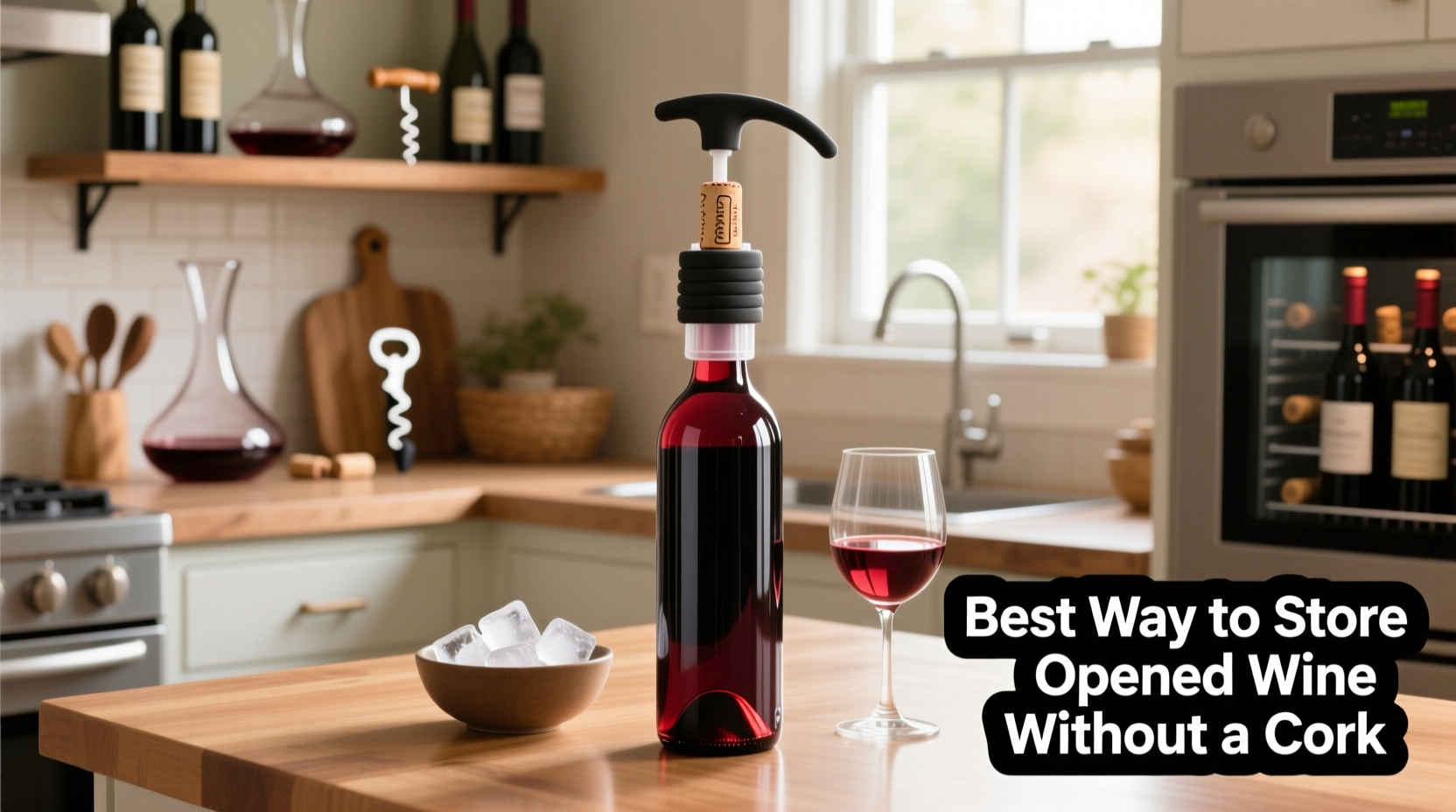
Wine is a delicate balance of acids, sugars, tannins, and volatile compounds. Once exposed to air, oxygen triggers chemical reactions that alter this balance. Acetaldehyde forms as ethanol oxidizes, producing a sharp, vinegar-like smell. Over time, fruit notes fade, body thins, and the wine loses its complexity.
The rate of oxidation depends on three main factors:
- Contact with air: The more headspace (empty space) in the bottle, the faster oxidation occurs.
- Temperature: Warm environments accelerate chemical changes. Room temperature (above 70°F) speeds spoilage.
- Light exposure: UV rays degrade organic compounds, especially in white and rosé wines stored in clear bottles.
Even without a cork, limiting these factors can significantly extend the life of your wine. The key is creating a temporary seal and controlling the storage environment.
Effective Alternatives to a Cork
You don’t need specialized equipment to protect opened wine. Many household items can create a reliable barrier against air when used correctly. Here are the most effective substitutes:
Plastic Wrap and Rubber Band
Stretch a double layer of plastic wrap over the bottle neck and fasten it securely with a rubber band. The cling film conforms tightly to irregular openings, including flared wine bottles. This method works best for short-term storage (1–2 days).
Silicone Lids or Jar Seals
If you own reusable silicone lids—commonly used for mason jars—check the size. Some fit standard wine bottles perfectly. These provide an airtight seal and are dishwasher-safe for reuse.
Ziplock Bag Method (Vacuum Alternative)
Place the bottle upright in a gallon-sized Ziplock bag. Squeeze out as much air as possible before sealing. The external pressure reduces oxygen contact inside the bottle. Store the entire setup in the fridge. Effective for 2–3 days.
Blow-and-Seal Technique (For Immediate Use)
Carefully stretch a balloon or thin plastic bag over the mouth of the bottle. Blow gently into it so it inflates slightly inside the neck, then quickly twist and secure the end. The internal pressure helps prevent air from re-entering. Not long-term, but useful for a few extra hours.
“Even amateur wine lovers can preserve quality by focusing on two things: cold temperatures and minimal air exposure.” — Marcus Reed, Certified Sommelier and Beverage Director
Step-by-Step Guide: Storing Opened Wine Without a Cork
Follow this sequence to maximize freshness when you’re missing the original closure:
- Pour what you need – Minimize agitation by pouring slowly down the side of the glass.
- Assess remaining volume – If less than half the bottle remains, consider transferring to a smaller container.
- Create a seal – Use plastic wrap and a rubber band, or a compatible silicone lid.
- Reduce headspace (if possible) – Move wine to a half-full water bottle or small jar with a tight cap.
- Refrigerate immediately – Cool temperatures slow oxidation and microbial growth.
- Label with date – Use tape and a marker to note when the bottle was opened.
- Check before serving – Smell and taste first. Discard if sour, flat, or musty.
This process applies to both red and white wines. Contrary to myth, chilling red wine after opening does not ruin it—especially if consumed within a few days. In fact, cooling slows degradation more effectively than any seal alone.
Do’s and Don’ts: Best Practices Summary
| Do | Don't |
|---|---|
| Store in the refrigerator, even red wine | Leave wine uncovered on the counter |
| Transfer to a smaller airtight container if volume is low | Use metal foil alone—it tears easily and seals poorly |
| Use clean, food-grade containers to avoid contamination | Expose wine to direct sunlight or heat sources |
| Label bottles with the opening date | Assume all wines last equally long once open |
| Taste before serving; trust your senses | Reuse dirty containers or caps |
How Long Can You Keep Opened Wine?
Shelf life varies by wine type due to differences in acidity, tannin, and sugar content. Here’s a general timeline based on refrigerated storage with a decent seal:
- Sparkling wine: 1–2 days (loses bubbles quickly)
- Light white, rosé, and sweet wines: 3–5 days
- Full-bodied whites (e.g., Chardonnay): 3–4 days
- Red wines: 3–5 days (higher tannins resist oxidation)
- Fortified wines (e.g., Port, Sherry): Up to 28 days
Dry, high-acid whites like Sauvignon Blanc often hold up better than buttery styles. Similarly, young, tannic reds such as Cabernet Sauvignon last longer than delicate Pinot Noirs. Sweetness also acts as a preservative—late-harvest Rieslings can remain pleasant for nearly a week.
Real Example: A Weeknight Wine Lover’s Routine
Sarah, a teacher in Portland, enjoys a glass of wine during her evening grading sessions. She rarely finishes a full bottle. After learning about oxidation, she adapted her routine. Now, she pours her glass, then transfers the remainder into a clean 12-ounce mason jar with a screw-top lid. She labels it with the date and stores it in the back of her refrigerator—away from the door where temperatures fluctuate.
Three days later, she opens the jar and finds the Chardonnay still vibrant, with only a slight softening of oak notes. “I used to pour out anything left past day two,” she says. “Now I save money and reduce waste. It’s a small change with big impact.”
Advanced Tips for Frequent Wine Drinkers
If you regularly open bottles and don’t finish them, investing in affordable preservation tools pays off. Consider these upgrades beyond makeshift solutions:
Wine Preserver Spray (Inert Gas)
A spray can filled with argon or nitrogen creates a protective layer over the wine’s surface. These gases are heavier than air and settle on top, shielding the liquid below. One or two quick bursts before sealing can extend freshness by several days. Brands like Private Preserve are widely available and cost under $15.
Vacuum Pumps with Reusable Stoppers
While controversial among experts (some argue they remove aromatic compounds), vacuum pumps do reduce oxygen levels. When paired with airtight rubber stoppers, they offer moderate protection—especially for wines consumed within three days.
Repurposed Bottles
Keep an empty wine bottle with an intact screw cap. Wash and dry it thoroughly. When you have leftover wine, pour it in, seal tightly, and refrigerate. This eliminates headspace and uses a factory-designed closure.
“Gas sprays are the single most effective tool for non-professionals wanting to keep wine fresh without corks.” — Lena Cho, Enologist and Wine Educator
Checklist: How to Store Opened Wine Without a Cork
- Seal the bottle with plastic wrap + rubber band or a compatible lid
- Transfer to a smaller container if less than half full
- Label with the date opened
- Store upright in the refrigerator
- Keep away from strong odors (wine can absorb smells)
- Taste before drinking—discard if spoiled
- Consider inert gas spray for extended storage
FAQ
Can I use aluminum foil to cover my wine bottle?
You can, but it’s not ideal. Foil tears easily and doesn’t form a consistent seal. If it's your only option, use multiple layers and secure tightly with a rubber band. Plastic wrap performs better due to its flexibility and cling properties.
Is it safe to drink wine that’s been open for a week?
Generally, no—especially for non-fortified wines. After 5–7 days, even refrigerated wine risks bacterial growth and significant flavor loss. Fortified wines like Port or Madeira are exceptions and may last up to four weeks. Always inspect color, smell, and taste before consuming older leftovers.
Does freezing wine damage it?
Freezing alters texture and can cause sediment formation, but it won’t make wine unsafe. Thawed wine is best reserved for cooking, not sipping. If you freeze it, do so in ice cube trays for easy use in sauces and reductions.
Conclusion: Simple Habits, Better Wine
Storing opened wine without a cork doesn’t require expensive gear or technical knowledge. By understanding how oxidation works and applying basic principles—sealing the bottle, reducing air exposure, and refrigerating—you can enjoy your favorite wines longer and minimize waste. Whether you use plastic wrap, a spare jar, or an inert gas spray, consistency matters more than perfection.
Every bottle saved is a small victory for your palate and your budget. Start tonight: finish your glass, seal the rest, and chill it. Taste it again tomorrow. You might be surprised at how fresh it still is.




 浙公网安备
33010002000092号
浙公网安备
33010002000092号 浙B2-20120091-4
Comments
No comments yet. Why don't you start the discussion?