
For sneaker enthusiasts and casual wearers alike, preserving the look and integrity of footwear is more than a matter of pride—it’s an investment in longevity and style. Over time, even the most pristine sneakers can succumb to two common enemies: creasing and yellowing. Creases form from pressure and improper support, while yellowing stems from oxidation, UV exposure, and material breakdown. The good news is that both are largely preventable with smart, consistent storage practices. This guide dives deep into the science and strategy behind protecting your kicks, offering actionable steps, real-world insights, and expert-approved solutions.
Understanding Why Sneakers Crease and Yellow
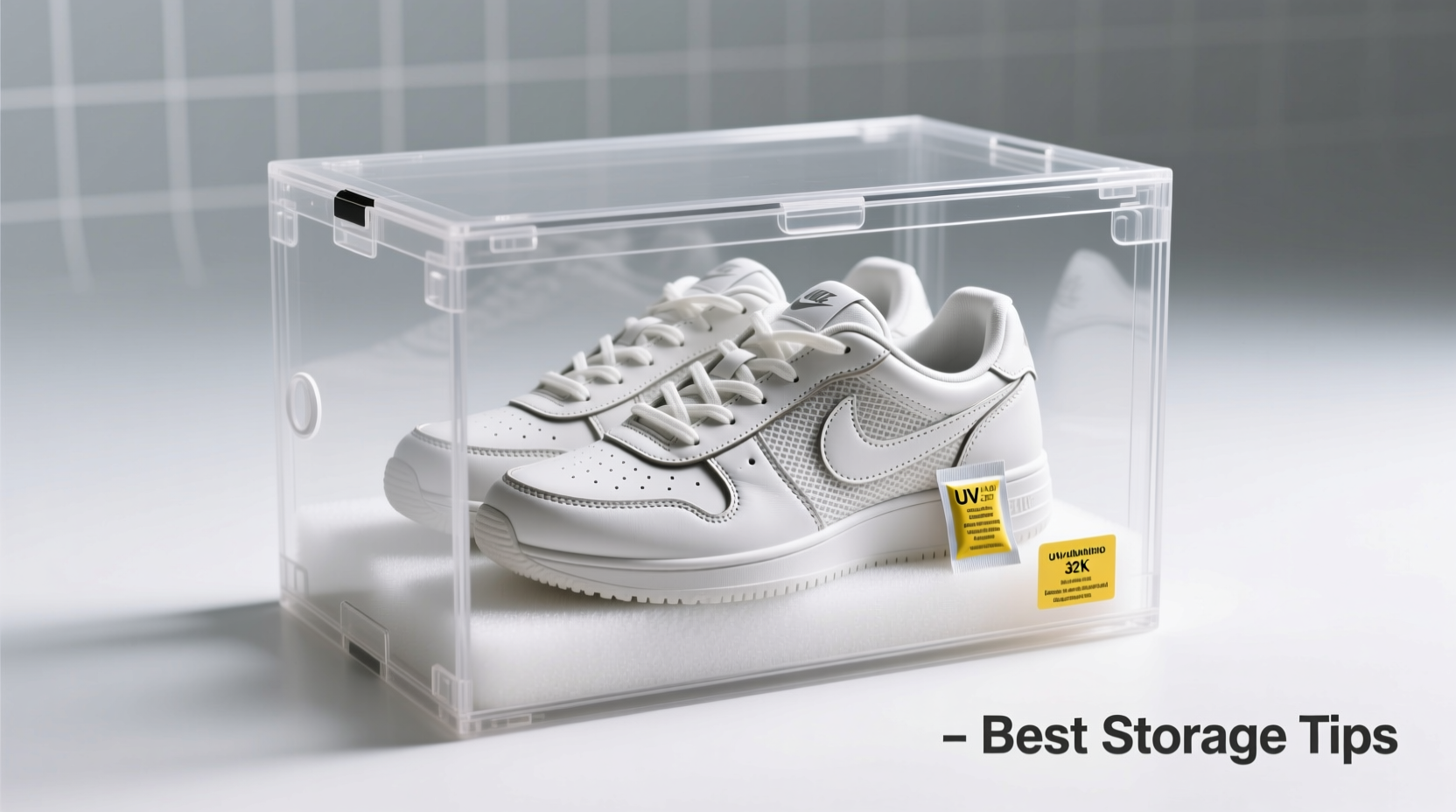
Creative design and performance materials don’t make sneakers immune to degradation. Understanding the root causes of creasing and yellowing is the first step toward effective prevention.
Crescent-shaped creases typically appear across the toe box and upper when sneakers are compressed during storage or worn without proper support. Flexible materials like mesh, synthetic leather, and knit uppers are especially prone to folding under their own weight if left unsupported for long periods.
Yellowing, particularly in white soles and midsoles, results from a chemical process called oxidation. Ethylene vinyl acetate (EVA) and polyurethane (PU), commonly used in cushioned soles, react with oxygen, heat, and UV light over time. This reaction breaks down polymers, causing discoloration. Additionally, dirt, sweat residue, and certain cleaning agents can accelerate yellowing.
“Many people think yellowing is inevitable, but it’s often the result of poor storage conditions—especially humidity and direct sunlight.” — Marcus Lin, Footwear Conservation Specialist at SoleGuard Labs
Best Storage Methods to Prevent Creasing
The shape of your sneakers depends on how they’re stored when not in use. Without internal support, uppers collapse, leading to permanent wrinkles that detract from aesthetics and resale value.
Use Shoe Trees or Stuffing Materials
Shoe trees—particularly those made from cedar—are among the most effective tools for maintaining structure. They gently expand inside the shoe, preventing the upper from folding. Cedar also absorbs moisture and neutralizes odors, adding functional benefits beyond shape retention.
If you don’t own shoe trees, clean, acid-free tissue paper or breathable fabric inserts can serve as temporary substitutes. Avoid newspaper, as ink can transfer onto light-colored materials.
Store in an Upright Position
Laying sneakers flat for extended periods increases pressure on the toe box. Instead, store them upright using dividers or individual compartments. This distributes weight evenly and reduces contact points that lead to compression marks.
Avoid Overcrowding in Closets
Sneakers packed tightly together rub against each other, creating micro-abrasions and forcing unnatural bends. Allow at least 1–2 inches of space between pairs to maintain airflow and structural independence.
“Think of your sneakers like books on a shelf—stacking them damages spines. The same principle applies to uppers and soles.” — Lena Cho, Sneaker Archivist & Collector
How to Prevent Yellowing: Environmental Control Matters
Even spotless sneakers can turn yellow if exposed to the wrong conditions. Prevention hinges on controlling four key factors: light, air, temperature, and contaminants.
Block UV Exposure
Direct sunlight accelerates oxidation, especially in rubber and foam components. Store sneakers away from windows, glass cabinets, or outdoor-facing shelves. If display is necessary, use UV-filtering glass or LED lighting with minimal UV output.
Maintain Stable Temperature and Humidity
Ideal storage conditions range between 60–70°F (15–21°C) with relative humidity around 45–55%. Excess moisture fosters mold and degrades adhesives, while dryness makes materials brittle. A small hygrometer in your storage area helps monitor these levels.
Seal Against Airborne Pollutants
Dust, smoke, and urban pollutants settle on surfaces and interact with materials over time. While complete airtight sealing isn't recommended (trapped moisture causes mildew), breathable dust bags offer a balanced solution. Look for cotton or non-woven polypropylene options that allow ventilation while blocking particulates.
Step-by-Step Guide to Long-Term Sneaker Storage
Follow this systematic approach to prepare and store sneakers for maximum preservation. Whether you're curating a collection or simply want daily shoes to last longer, consistency is key.
- Clean thoroughly before storing. Use a soft brush and pH-neutral sneaker cleaner to remove dirt from uppers, midsoles, and outsoles. Let them air-dry completely—never in direct sunlight or near heaters.
- Insert shoe trees or stuffing. Place cedar shoe trees or crumpled acid-free paper inside each shoe to maintain shape and absorb residual moisture.
- Loosen laces and open tongues. This reduces tension on stitching and allows better airflow during drying and storage.
- Place in breathable dust bags. Avoid plastic bins or zip-lock bags unless they include desiccant packs and are opened monthly for airing.
- Store upright in a climate-controlled space. Use a closet shelf, dedicated sneaker cabinet, or ventilated rack away from vents, radiators, and exterior walls.
- Inspect quarterly. Check for yellowing, odor, or insect activity. Rotate position if stored long-term to ensure even aging.
Storage Solutions Compared: What Works and What Doesn’t
Not all storage methods are created equal. Below is a comparison of popular options based on effectiveness in preventing creasing and yellowing.
| Storage Method | Prevents Creasing? | Prevents Yellowing? | Best For | Avoid If… |
|---|---|---|---|---|
| Breathable Dust Bags + Shelf | Yes (with shoe trees) | Yes | Long-term collectors | You live in high-humidity areas without dehumidifiers |
| Plastic Display Cases | Partially | No (traps UV/heat) | Showcasing favorites | Exposed to sunlight or heat sources |
| Original Shoeboxes | No (collapses uppers) | Poor (traps moisture) | Short-term or moving | Storing more than 3 months |
| Rotating Acrylic Shelves | Yes (if upright) | Yes (if indoors) | Display + access | You have pets/kids who may knock them over |
| Vacuum-Sealed Bags | No (crushes structure) | No (promotes mold) | Travel only | Long-term storage |
Real Example: How One Collector Saved His Rare Pair
Jamal R., a sneaker collector from Portland, owned a limited-edition pair of off-white canvas sneakers with a translucent sole. After wearing them briefly, he stored them in their original box under his bed for eight months. When he retrieved them, the uppers were deeply creased, and the soles had developed a noticeable yellow tint.
He consulted a local sneaker restoration specialist who advised immediate cleaning, application of a sole brightening treatment, and re-storage using cedar shoe trees and cotton dust bags in a closet with stable temperature. He also installed a small dehumidifier nearby. Over the next year, no new pairs showed signs of yellowing, and his rotation system ensured older pairs were checked regularly.
“I learned the hard way,” Jamal said. “Now I treat my sneakers like art pieces—controlled environment, regular maintenance, and no compromises on storage quality.”
Checklist: Optimal Sneaker Storage Routine
- ✅ Clean sneakers after each wear or before long-term storage
- ✅ Insert cedar shoe trees or acid-free paper to maintain shape
- ✅ Loosen laces and flatten tongues to reduce stress on fabric
- ✅ Place in breathable dust bags (not plastic)
- ✅ Store upright in a cool, dark, dry location with airflow
- ✅ Avoid direct sunlight, heat sources, and damp basements
- ✅ Inspect stored sneakers every 4–6 weeks
- ✅ Use silica gel packs in enclosed spaces to control humidity
- ✅ Rotate usage to prevent prolonged static positioning
- ✅ Keep away from smoking areas or kitchens with grease-laden air
Frequently Asked Questions
Can I store sneakers in their original boxes?
Original boxes are acceptable for short-term storage (under 3 months), but they are not ideal for long-term preservation. Cardboard absorbs moisture, and stacked boxes compress uppers. If using boxes, place sneakers inside breathable dust bags first, elevate off the floor, and avoid stacking more than two high.
Do silica gel packets really help prevent yellowing?
Yes. Silica gel absorbs excess moisture in enclosed spaces, reducing the risk of mold and slowing oxidative processes. Replace or recharge the packets every 1–2 months for continued effectiveness. Place 1–2 packs per storage unit, but don’t seal the container airtight.
Is it safe to store sneakers in a garage or attic?
No. Garages and attics experience extreme temperature swings and high humidity, both of which degrade adhesives, promote yellowing, and encourage bacterial growth. These environments also increase the risk of pest infestation. Always choose interior, climate-stable rooms for sneaker storage.
Final Thoughts: Treat Your Sneakers Like Heirlooms
Sneakers are more than just footwear—they reflect personal style, cultural moments, and sometimes significant financial investment. Protecting them from creasing and yellowing isn’t about perfectionism; it’s about respect for craftsmanship and intentionality in care. The right storage habits take minimal effort but yield dramatic results over time. By controlling environment, supporting structure, and staying vigilant, you preserve not just appearance, but usability and value.




 浙公网安备
33010002000092号
浙公网安备
33010002000092号 浙B2-20120091-4
Comments
No comments yet. Why don't you start the discussion?