
In the mid-1990s, two of the most influential figures in hip-hop history—The Notorious B.I.G. (Christopher Wallace) and Tupac Shakur—were not only rising stars but also genuine friends. They collaborated on tracks, shared stages, and supported each other during pivotal moments in their careers. Yet, within a few short years, that bond deteriorated into one of the most public and bitter rivalries in music history—one that culminated in both men being gunned down under mysterious circumstances. What began as camaraderie ended in tragedy, shaped by personal betrayals, East Coast-West Coast tensions, media sensationalism, and unchecked industry politics.
The Early Bond: Brotherhood in Hip-Hop
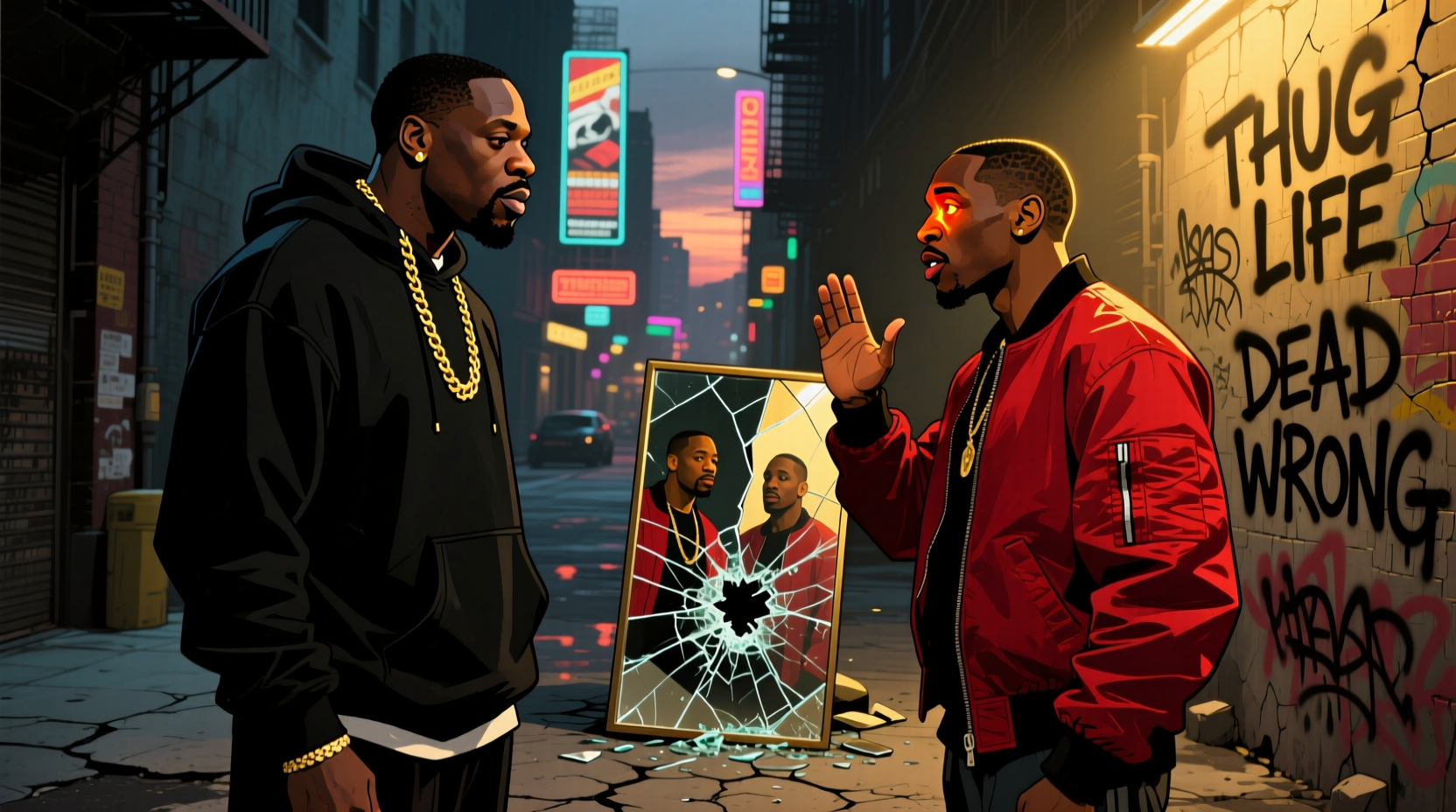
When Biggie and Tupac first met in 1993 at a music video shoot for \"Who Shot Ya?\"—ironically, a track later interpreted as a veiled diss—their chemistry was immediate. Both artists came from difficult backgrounds: Tupac grew up in Harlem and Baltimore, raised by activist parents; Biggie navigated the streets of Brooklyn, turning to rap after time spent in petty crime. Their shared experiences created a foundation of mutual respect.
Tupac saw potential in Biggie early on and even helped him secure a deal with Uptown Records before Sean “Diddy” Combs founded Bad Boy Records. The two rappers recorded together, appeared on each other’s tracks, and traveled frequently. In interviews, Tupac praised Biggie’s lyrical talent, calling him “the illest rapper alive.” For a brief moment, they represented unity in a genre increasingly divided by geography and ego.
“Tupac took me under his wing… He believed in me before anyone else did.” — The Notorious B.I.G., interview with Vibe Magazine (1995)
The Turning Point: The Quad Studios Shooting
The fracture began in November 1994, when Tupac was robbed and shot five times in the lobby of Quad Recording Studios in Manhattan. At the time, he was working on his album *Me Against the World*. What made the incident especially painful for Tupac was the presence of Biggie and Puff Daddy (now Diddy), who were also at the studio that night—but left shortly before the attack.
Tupac later claimed he felt betrayed. Though there was no evidence linking Biggie or Bad Boy directly to the shooting, Tupac began to suspect a setup. His distrust deepened when he learned that Biggie had been seen speaking with people associated with the attackers. While Biggie repeatedly denied any involvement, the damage was done. When Tupac was released from prison in 1995 thanks to Suge Knight posting his $1.4 million bail, he aligned fully with Death Row Records—and the West Coast camp.
Coast vs. Coast: Industry Forces at Play
The East Coast-West Coast rivalry wasn’t just about music—it was a business war disguised as cultural competition. Sean Combs built Bad Boy into a commercial powerhouse centered in New York, while Marion “Suge” Knight’s Death Row Records dominated the West with artists like Dr. Dre and Snoop Dogg. Each label cultivated a distinct image: polished and mainstream for Bad Boy, raw and rebellious for Death Row.
Suge Knight actively fueled the tension, encouraging Tupac to diss Bad Boy and its affiliates. On tracks like “Hit 'Em Up” (1996), Tupac didn’t hold back—he rapped, “I murdered your homies, now I’m comin’ for you,” and infamously claimed he slept with Biggie’s wife, Faith Evans. Whether true or not, the claim devastated Biggie personally and professionally.
Meanwhile, rumors circulated that Biggie’s song “Who Shot Ya?”—recorded months before Tupac’s shooting—was a taunt aimed at him. Though Biggie insisted it was just street fiction, Tupac interpreted it as a direct insult. The track became symbolic of the growing animosity, even though timelines suggest it couldn’t have been a response to the Quad incident.
Timeline of Key Events
- 1993: Biggie and Tupac meet, begin collaborating.
- Nov 1994: Tupac shot at Quad Studios; suspects Biggie’s involvement.
- Sept 1995: Tupac released from prison, signs with Death Row.
- 1996: Tupac releases “Hit 'Em Up,” dissing Biggie and Bad Boy.
- Sept 7, 1996: Tupac shot in Las Vegas; dies six days later.
- March 9, 1997: Biggie killed in a drive-by shooting in Los Angeles.
Media, Paranoia, and the Weaponization of Rap Lyrics
Rap lyrics, once seen as artistic expression, became treated as confessions during this era. Law enforcement and journalists scrutinized verses for clues about real-life crimes. This environment intensified paranoia among artists. Tupac, already deeply suspicious after surviving an assassination attempt, viewed every silence and indirect bar as a threat.
The media amplified the divide. Headlines pitted “Coast against Coast,” framing Biggie and Tupac as archenemies despite their past friendship. Magazines like *The Source* took sides, further polarizing fans. Even performances became battlegrounds—when Biggie performed at the 1996 Soul Train Awards, he wore a shirt reading “East Coast” in bold letters, which many interpreted as a provocation.
| Factor | Impact on the Rivalry |
|---|---|
| Label Competition | Bad Boy vs. Death Row created financial and cultural stakes. |
| Personal Betrayal | Tupac felt abandoned after the Quad shooting. |
| Lyrical Disses | Tracks like “Hit 'Em Up” escalated hostilities. |
| Media Coverage | Sensationalized the feud, reducing complex relationships to headlines. |
| Unresolved Trauma | Both artists carried deep emotional scars from violence and poverty. |
Was Reconciliation Possible?
There are indications that peace might have been within reach. In late 1996, just weeks before his death, Biggie told journalist Kevin Powell in an interview that he wanted to reconcile with Tupac. “We came up together,” he said. “That’s my brother. I don’t want this war.”
Similarly, those close to Tupac noted he expressed regret over the intensity of his attacks in private conversations. Some believe the feud was exaggerated for album sales and label leverage. However, by then, forces beyond their control—gang affiliations, law enforcement scrutiny, and underground agendas—had taken over.
“Their rivalry wasn’t just personal—it was manufactured by an industry that profits from conflict.” — Nelson George, author and cultural critic
Mini Case Study: The Power of Misinterpretation
Consider the case of “Who Shot Ya?” Biggie maintained it was a fictional narrative about street betrayal, recorded for a remix that never released. But Tupac heard it after being shot and assumed it was directed at him. No apology, clarification, or conversation could bridge that gap in perception. This illustrates how context, timing, and trauma shape interpretation—especially in high-stress environments where trust is already strained.
Frequently Asked Questions
Did Biggie really betray Tupac?
There is no conclusive evidence that Biggie was involved in the Quad Studios shooting or conspired against Tupac. Most credible investigations and biographers conclude that the betrayal was perceived, not proven. However, Biggie’s silence and associations contributed to Tupac’s suspicion.
Could the feud have been avoided?
Possibly. With better communication, mediation, and less media interference, reconciliation was feasible. Both men expressed regret privately. But the pressures of fame, loyalty to labels, and surrounding criminal elements made de-escalation nearly impossible.
Who was responsible for their deaths?
Neither murder has been officially solved. Multiple theories point to figures within the hip-hop underworld, corrupt law enforcement, or gang retaliation. Despite numerous investigations, no one has been charged in either case.
Conclusion: A Legacy Beyond the Feud
The story of Biggie and Tupac is not merely a tale of fallen icons—it’s a cautionary narrative about how ambition, loyalty, and identity can be manipulated by external forces. Their friendship turned to rivalry not because of inherent hatred, but due to a cascade of misunderstandings, systemic pressures, and the toxic environment of 1990s hip-hop politics.
Today, their music continues to inspire generations. But their legacy also serves as a reminder: in any competitive field, relationships must be nurtured, communication prioritized, and narratives carefully managed. Conflict sells—but connection endures.




 浙公网安备
33010002000092号
浙公网安备
33010002000092号 浙B2-20120091-4
Comments
No comments yet. Why don't you start the discussion?