
As more consumers and businesses prioritize sustainability, the choice of holiday packaging materials has come under scrutiny. One key decision lies in selecting the right ribbon for gift wrapping—particularly when those gifts must endure shipping and handling. Biodegradable ribbons are rising in popularity due to their environmental benefits, but how do they compare to traditional polyester satin ribbons when it comes to maintaining elegant bows after transit? This article dives deep into durability, elasticity, recovery, and real-world performance to help you make an informed choice.
The Challenge: Maintaining Bow Integrity During Transit
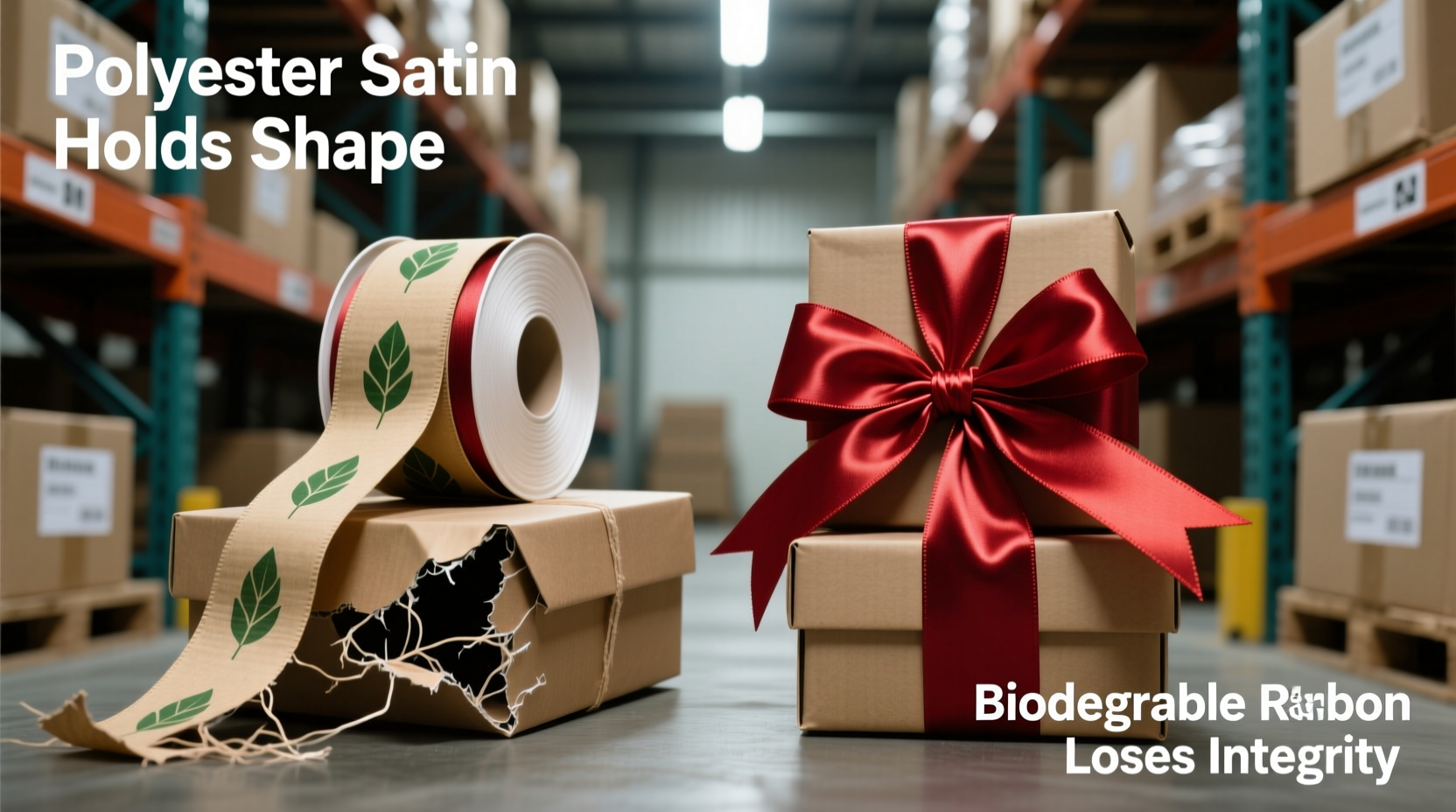
Gifts shipped during the holidays often travel hundreds or thousands of miles before reaching their recipients. Along the way, they’re stacked, dropped, compressed, and exposed to varying temperatures and humidity. A beautifully tied bow can easily become flattened, frayed, or completely unraveled if the ribbon lacks resilience. The ideal ribbon should not only look festive but also retain its shape through rough handling.
Two main contenders dominate the market: biodegradable options (typically made from plant-based cellulose, paper, or compostable films) and polyester satin—a synthetic fabric known for its sheen and strength. While aesthetics and ethics play roles in selection, functionality under stress is critical—especially for e-commerce sellers, professional gift wrappers, and environmentally conscious individuals who don’t want sustainability to mean sacrificing presentation.
Material Breakdown: What Are We Comparing?
Understanding the core composition of each ribbon type reveals why they behave differently under pressure.
Biodegradable Christmas Ribbon
Commonly made from:
- Natural kraft paper with starch-based coatings
- Organic cotton woven with natural dyes
- PLA (polylactic acid) derived from cornstarch
- Cellulose-based films with matte or gloss finishes
These ribbons are designed to decompose within months under industrial composting conditions. They often carry certifications like OK Compost or TÜV Austria. However, their structural integrity relies heavily on fiber density and coating quality. Most biodegradable ribbons lack inherent stretch and rely on stiffness for initial hold.
Polyester Satin Ribbon
Made from petroleum-based polymers, polyester satin is tightly woven and heat-set to maintain a smooth, glossy finish. Its molecular structure allows for moderate elasticity and high tensile strength. Unlike biodegradable alternatives, it resists moisture absorption and maintains flexibility across temperature ranges. Polyester does not break down naturally and may persist in landfills for decades.
Performance Comparison: How Do They Hold Up?
To evaluate real-world performance, several factors must be assessed: elasticity, memory retention, resistance to abrasion, moisture sensitivity, and knot security.
| Feature | Biodegradable Ribbon | Polyester Satin Ribbon |
|---|---|---|
| Elasticity | Low – minimal stretch; prone to cracking under tension | Moderate – stretches slightly and rebounds well |
| Bow Recovery | Poor – once crushed, rarely regains original form | High – loops bounce back after compression |
| Moisture Resistance | Low – absorbs humidity, weakens over time | High – repels water, unaffected by damp environments |
| Abrasion Resistance | Fair – edges fray easily during friction | Excellent – withstands rubbing and scraping |
| Knot Security | Good initially, loosens if fibers degrade | Consistent – knots stay tight through movement |
| Environmental Impact | Low – compostable, renewable sources | High – non-renewable, microplastic shedding |
The data shows a clear trade-off: polyester excels in physical performance, while biodegradable options lead in ecological responsibility. But performance isn’t solely about raw material properties—it’s also influenced by design, thickness, and application method.
“Many clients assume that ‘eco-friendly’ means fragile, but advancements in biofilms now allow for surprisingly durable ribbons—if selected carefully.” — Lena Torres, Sustainable Packaging Consultant at GreenWrap Labs
Real-World Case Study: An E-Commerce Gifter’s Dilemma
Sarah runs a small online boutique selling personalized holiday gift boxes. Last season, she switched entirely to biodegradable kraft paper ribbon to align with her brand values. She used a double-loop bow technique and secured knots with adhesive dots. Her first batch of 50 shipped gifts looked pristine when packed.
However, customer feedback revealed a pattern: nearly 70% reported receiving flat or partially undone bows. Some photos showed ribbons creased beyond repair, others had split along the fold lines. Sarah tested the same package through regional carriers and confirmed that standard sorting equipment caused enough compression to collapse the bows permanently.
She then ran a controlled experiment:
- Group A: Biodegradable paper ribbon (10mm width)
- Group B: Recycled-content polyester satin (same width)
- All packages identical in size, weight, and packing method
- Shipped via same carrier, same route
Results after five days:
- Group A: 8 out of 10 bows were flattened; 2 retained partial shape
- Group B: 9 out of 10 bows remained intact; 1 slightly skewed but recoverable
Sarah concluded that while her biodegradable ribbon met ethical standards, it failed functionally. She now uses a hybrid approach—recycled polyester satin for external bows and biodegradable twine as an accent inside the box, visible only upon opening.
How to Improve Biodegradable Ribbon Performance
You don’t have to abandon eco-friendly choices to ensure beautiful presentation. With smarter techniques and selective sourcing, biodegradable ribbons can perform better—even under shipping stress.
Choose the Right Type
Not all biodegradable ribbons are equal. Look for:
- Woven organic cotton with tight weaves
- PLA-coated paper ribbons with reinforced edges
- Compostable films laminated for slight flexibility
- Certifications indicating durability testing (e.g., ASTM D5338 for compostability and strength benchmarks)
Adjust Your Technique
Traditional bow-tying methods assume some elasticity. With stiffer materials, adapt your strategy:
- Use wider ribbon (at least 15mm) to increase surface area and stability
- Tie tighter center knots and reinforce with food-safe glue dots (compostable ones available)
- Create fewer loops—opt for a simple two-loop bow instead of elaborate fan styles
- Pre-shape loops using a mold or template before final tying
- Add internal support: insert thin cardboard strips inside loops for rigidity
Protect During Shipping
Even the best ribbon fails without proper packaging. Consider these protective measures:
- Place gifts in rigid boxes rather than flexible mailers
- Use molded pulp or corrugated inserts to create a “crown space” above the bow
- Label packages “Fragile – Top Load Only” to encourage careful handling
- Insert tissue paper around the base of the bow to cushion impacts
When to Choose Polyester Satin
Despite environmental concerns, polyester satin remains the superior choice in certain scenarios:
- Long-distance shipping: Packages crossing multiple hubs benefit from the ribbon’s resilience.
- High-value gifts: Luxury items demand flawless presentation; failure risks perceived quality.
- Automated fulfillment: Machines apply consistent tension—polyester handles this better than brittle biodegradable types.
- Humid climates: Where moisture weakens paper-based ribbons, polyester performs reliably.
For those committed to reducing harm, opt for recycled polyester satin. Brands like Repreve® offer ribbons made from post-consumer plastic bottles, cutting virgin plastic use by up to 60%. While still not biodegradable, this reduces reliance on fossil fuels and diverts waste from oceans.
“Sustainability isn't just about end-of-life. It's also about performance life. A ribbon that fails early creates more waste than one that lasts.” — Dr. Marcus Lin, Materials Scientist at EcoInnovate Institute
Action Checklist: Selecting the Right Ribbon
Use this checklist to guide your decision based on priorities:
- ✅ Define primary goal: Is it environmental impact or visual durability?
- ✅ Test sample ribbons by tying, compressing, and re-expanding bows
- ✅ Check sourcing: Is the biodegradable option certified compostable?
- ✅ For polyester, verify if it’s made from recycled content
- ✅ Evaluate packaging method—can you protect the bow physically?
- ✅ Consider hybrid designs: Use sustainable ribbon as inner detail, durable outer wrap
- ✅ Monitor customer feedback after shipping cycles
FAQ
Can I compost polyester satin ribbon?
No. Traditional and even recycled polyester satin does not biodegrade. It should be removed from packaging before composting other components. Some recyclers accept clean polyester scraps, but most municipal systems do not process textiles.
Do biodegradable ribbons work for large bows?
Larger bows require more structural support. Standard biodegradable ribbons often sag or buckle under their own weight. If using for big displays, choose reinforced versions or add hidden wire cores (using bendable, plant-based PLA wire where possible).
Is there a truly eco-friendly ribbon that still holds a bow well?
Emerging options include ribbons made from lyocell (TENCEL™), a closed-loop processed wood pulp fiber. These combine soft drape with decent recovery and full compostability. Early adopters report moderate success in low-stress shipping environments, though long-term data is limited.
Final Recommendations
The choice between biodegradable Christmas ribbon and polyester satin hinges on context. For retail shipments, high-end gifting, or international delivery, polyester satin—especially recycled—offers unmatched reliability. For local deliveries, hand-given presents, or low-impact events, biodegradable ribbons are both appropriate and responsible.
The future likely lies in innovation: stronger bio-based polymers, improved weaving techniques, and standardized durability ratings for green materials. Until then, smart selection and thoughtful execution bridge the gap between ethics and excellence.




 浙公网安备
33010002000092号
浙公网安备
33010002000092号 浙B2-20120091-4
Comments
No comments yet. Why don't you start the discussion?