
The Birkenstock Boston clog has become a staple in modern footwear—praised for its orthopedic design, arch support, and timeless style. But when it comes to choosing between real leather and synthetic (EVA or Birkibuc) uppers, many buyers face a dilemma: which one truly delivers better comfort? While both materials offer distinct advantages, the answer depends on individual needs, lifestyle, and how you plan to use the clogs. This detailed analysis breaks down the differences in comfort, breathability, durability, and overall wearing experience to help you make an informed decision.
Understanding the Materials: Real Leather vs Synthetic
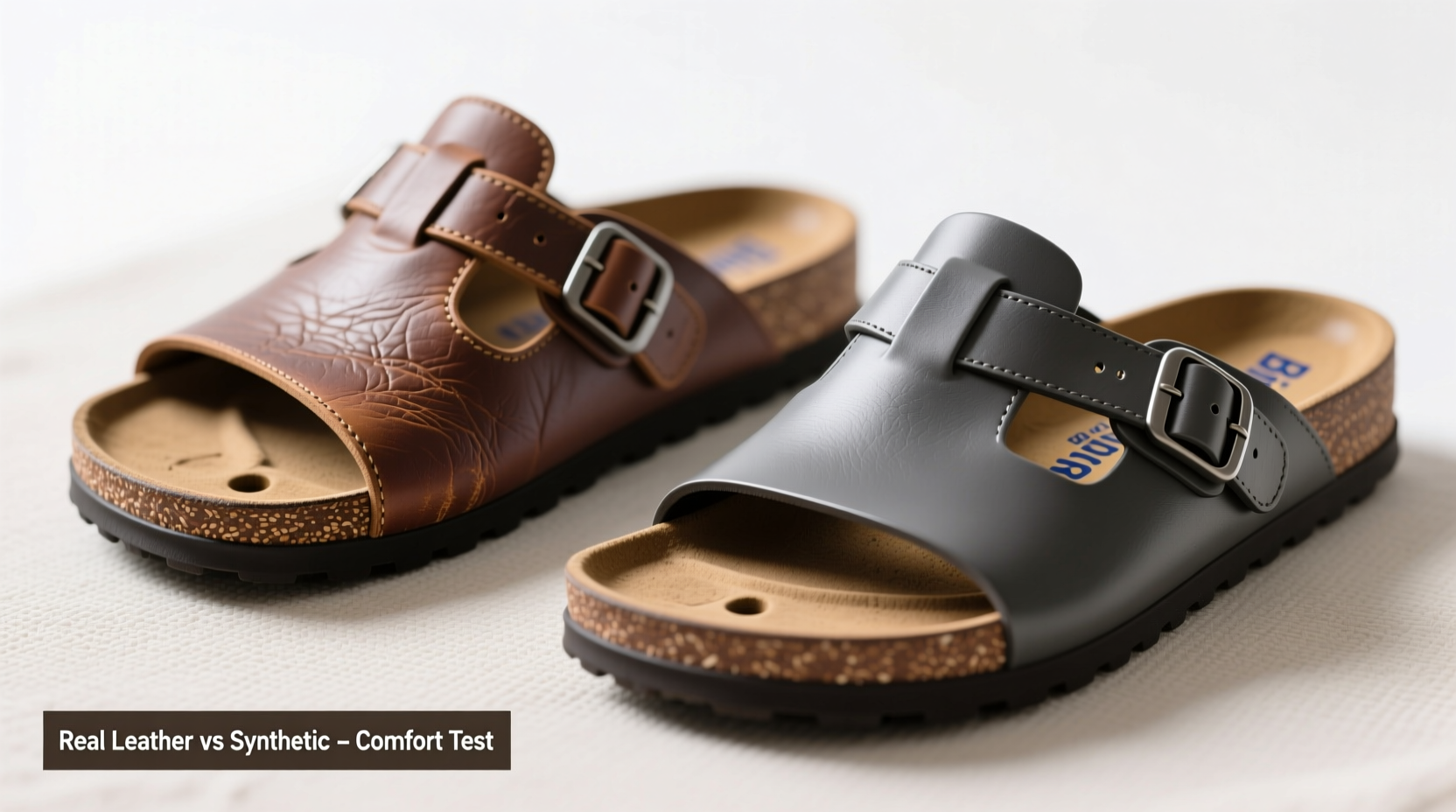
Birkenstock offers Boston clogs in several upper materials, but the two most common are genuine leather and synthetic alternatives like Birkibuc (a microfiber textile) or EVA (ethylene-vinyl acetate). Each serves a different purpose and responds uniquely to body heat, moisture, and movement.
Genuine leather is a natural material known for its durability, flexibility, and ability to mold to the foot over time. It develops a personalized fit and ages gracefully with proper care. On the other hand, synthetic materials are engineered for water resistance, lightweight feel, and ease of maintenance. Birkibuc, in particular, mimics suede but resists stains and moisture better than leather.
Comfort isn’t just about softness—it’s about breathability, adaptability, weight, and how the shoe interacts with your foot during extended wear. Let’s examine each factor closely.
Thermal Regulation and Breathability
One of the most critical aspects of comfort is how well a shoe manages heat and moisture. Feet produce sweat, and trapped moisture leads to discomfort, odor, and even blisters.
Real leather is naturally breathable. Its porous structure allows air to circulate and moisture to escape, helping regulate temperature throughout the day. In warm environments or during physical activity, leather uppers tend to perform better by reducing clamminess inside the shoe.
Synthetic materials, while often treated for moisture-wicking, are generally less breathable. Birkibuc performs relatively well compared to other synthetics, but it still doesn’t match the airflow of full-grain leather. EVA models, though extremely lightweight, are fully sealed and trap more heat—making them better suited for quick outdoor tasks than all-day indoor wear.
Break-In Period and Foot Conformity
Comfort evolves over time. A shoe that feels stiff at first may become your favorite after breaking in. Here, real leather holds a significant advantage.
Leather is dynamic. As you wear leather Boston clogs, the material gradually softens and molds to the shape of your foot. The collar around the ankle adjusts to your contours, reducing pressure points and eliminating initial rubbing. Most users report that after 10–20 hours of wear, leather Bostons feel “like slippers.”
Synthetic uppers, particularly Birkibuc and EVA, offer immediate softness but change very little over time. They maintain their original shape and stiffness. While this means no break-in period, it also means less personalization. If the fit isn’t perfect from day one, it likely won’t improve.
“Leather adapts to the wearer; synthetics expect the wearer to adapt to them.” — Dr. Lena Torres, Podiatrist & Footwear Consultant
Weight and Flexibility Comparison
Another major contributor to comfort is the shoe’s weight and flexibility. Heavy shoes fatigue the legs over time, especially during prolonged standing or walking.
EVA Boston clogs are the lightest option—up to 30% lighter than their leather counterparts. This makes them ideal for travel, gardening, or recovery wear. Their foam construction bends easily, requiring minimal effort with each step.
Leather models are slightly heavier due to the density of the material and reinforcement stitching. However, the added weight contributes to stability and a grounded feel. Many users describe leather Bostons as “supportive” rather than “heavy,” especially once broken in.
Birkibuc sits in the middle: lighter than leather but not as buoyant as EVA. It flexes moderately but can crease permanently if folded or stored improperly.
Comfort in Different Environments
Your daily routine plays a crucial role in determining which material suits you best.
- Indoor Use: For house shoes or lounging, real leather excels. It breathes, conforms, and pairs well with socks or bare feet.
- Outdoor Errands: Birkibuc offers a balance—durable enough for sidewalks, resistant to light rain, and easy to wipe clean.
- Wet Conditions: Synthetic materials win here. Leather absorbs water and requires drying time, while EVA and Birkibuc dry quickly and resist damage from puddles or damp grass.
- Workplace Wear: If you’re on your feet all day in a controlled environment (e.g., nurse, teacher, artisan), leather provides long-term comfort and support.
Durability and Long-Term Comfort
A shoe that wears out quickly loses comfort fast. Durability directly impacts how consistently supportive and pleasant a clog remains over months or years.
Real leather, when cared for properly, can last five to ten years or more. It resists tearing, maintains structural integrity, and ages with character. Minor scuffs can be buffed out, and periodic conditioning keeps it supple.
In contrast, synthetic materials degrade faster under UV exposure and repeated flexing. Birkibuc can fray at stress points like the toe box or heel counter. EVA, while impact-resistant, becomes brittle over time, especially in extreme temperatures.
Long-term comfort favors leather because it lasts longer without losing performance. A worn-out synthetic clog may feel loose, misshapen, or less supportive—diminishing the ergonomic benefits Birkenstock is known for.
Maintenance Requirements
Comfort also includes convenience. How much effort are you willing to invest in upkeep?
| Material | Cleaning Method | Water Resistance | Lifespan (with care) |
|---|---|---|---|
| Real Leather | Wipe with damp cloth; condition every 3–6 months | Low – absorbs moisture | 5–10+ years |
| Birkibuc (Synthetic) | Spot clean with mild soap; air dry | Moderate – water-resistant | 2–4 years |
| EVA (Synthetic) | Rinse with water; no conditioning needed | High – fully waterproof | 3–5 years |
If low maintenance is a priority, synthetic options are easier to care for. But remember: skipping care on leather drastically shortens its life and comfort potential.
Real User Experience: A Mini Case Study
Sarah M., a graphic designer from Portland, Oregon, bought her first pair of Boston clogs five years ago—leather upper, narrow width. She wears them daily at home while working remotely and occasionally outdoors.
“The first week was rough—I had a blister near my ankle. But I wore them around the house for short periods, used moleskin, and kept them conditioned. By week three, they felt incredible. Now, they’re like an extension of my feet. I tried a friend’s synthetic pair later, and while they were soft right away, they didn’t ‘hug’ my foot the same way. After six hours, my feet felt tired. With my leathers, I forget I’m wearing shoes.”
She admits the leather requires more attention: wiping mud off after rainy walks, storing them away from heaters, and occasional oiling. But she says it’s worth it. “They’ve lasted longer than any other shoe I own. I wouldn’t go back.”
This reflects a common pattern: leather demands patience and care upfront but rewards with unmatched long-term comfort.
Expert Insight on Foot Health and Material Choice
Podiatrists frequently recommend Birkenstocks for patients with flat feet, plantar fasciitis, or general foot fatigue. But material choice matters in clinical recommendations.
“For patients needing biomechanical support, I suggest leather uppers. They stabilize the foot better over time and reduce friction-related injuries. Synthetics are fine for temporary use, but they don’t offer the same adaptive support.” — Dr. Rajiv Mehta, DPM, Foot & Ankle Specialist
The key point: comfort isn’t just sensation—it’s function. A shoe that supports proper alignment and reduces strain contributes to overall foot health, and leather’s ability to conform enhances this benefit.
Which Is More Comfortable? A Direct Comparison
To clarify the comfort debate, consider these scenarios:
- You want instant softness and zero break-in: Choose synthetic (Birkibuc or EVA).
- You prioritize long-term wear and personalized fit: Choose real leather.
- You work outdoors or in wet conditions: Synthetic wins for practicality.
- You walk or stand for hours indoors: Leather provides superior sustained comfort.
- You want a shoe that lasts 5+ years: Leather is the clear winner.
There’s no universal “more comfortable” option—only what’s more comfortable for your lifestyle.
Checklist: Choosing Your Ideal Boston Clog
Use this checklist to guide your decision:
- ✅ Do you need immediate comfort with no break-in? → Lean toward synthetic.
- ✅ Will you wear them mostly indoors or on hard floors? → Leather is ideal.
- ✅ Are you exposed to rain, mud, or spills regularly? → Choose Birkibuc or EVA.
- ✅ Do you value longevity and aging well? → Go for real leather.
- ✅ Are you sensitive to shoe weight? → Try EVA for featherlight feel.
- ✅ Can you commit to basic maintenance? → Leather will reward you.
Frequently Asked Questions
Do real leather Boston clogs stretch over time?
Yes, genuine leather stretches slightly with wear, especially across the instep and collar. They conform to your foot’s shape, improving comfort after the break-in period. Sizing down is sometimes recommended for narrow widths, knowing they’ll loosen slightly.
Can I wear leather Bostons in the rain?
You can, but it’s not ideal. Leather absorbs water, which can lead to warping, staining, or odor if not dried properly. If caught in the rain, wipe them down immediately, stuff with paper to retain shape, and let them air dry away from direct heat. For frequent wet weather, consider Birkibuc or EVA instead.
Are synthetic Birkenstocks vegan?
Yes. Both Birkibuc and EVA uppers are animal-free, making them suitable for vegans. The footbed may still contain natural cork and latex, but no animal products are used in the upper or binding. Look for the “vegan” label on Birkenstock’s official site to confirm.
Final Verdict: Comfort Is Personal, But Leather Leads in Longevity
When comparing real leather versus synthetic Boston clogs, comfort isn’t a one-size-fits-all answer. Synthetic models offer immediate softness, water resistance, and low maintenance—ideal for casual, short-term, or outdoor use. They’re excellent for those who dislike break-in periods or live in unpredictable climates.
However, real leather surpasses synthetics in long-term comfort, breathability, and adaptability. It molds to your foot, supports healthy alignment, and lasts significantly longer with minimal care. For anyone planning to wear their Bostons daily over months or years, leather is the superior investment.
The slight trade-offs—initial stiffness, sensitivity to moisture, maintenance needs—are outweighed by the deep, personalized comfort that only natural materials can provide. Like a well-worn jacket or favorite armchair, leather Bostons grow better with time.




 浙公网安备
33010002000092号
浙公网安备
33010002000092号 浙B2-20120091-4
Comments
No comments yet. Why don't you start the discussion?