
When your Blackstone Ignite system fails to spark up your griddle, it can bring your outdoor cooking plans to a sudden halt. The Ignite system is designed for quick, reliable lighting—no matches or lighters required—but like any electronic component, it can encounter issues over time. Whether you're facing a weak spark, no ignition at all, or intermittent performance, understanding the root causes and how to resolve them is essential. This guide walks through the most common problems, step-by-step fixes, and preventive measures to keep your Blackstone Ignite functioning reliably.
Understanding the Blackstone Ignite System
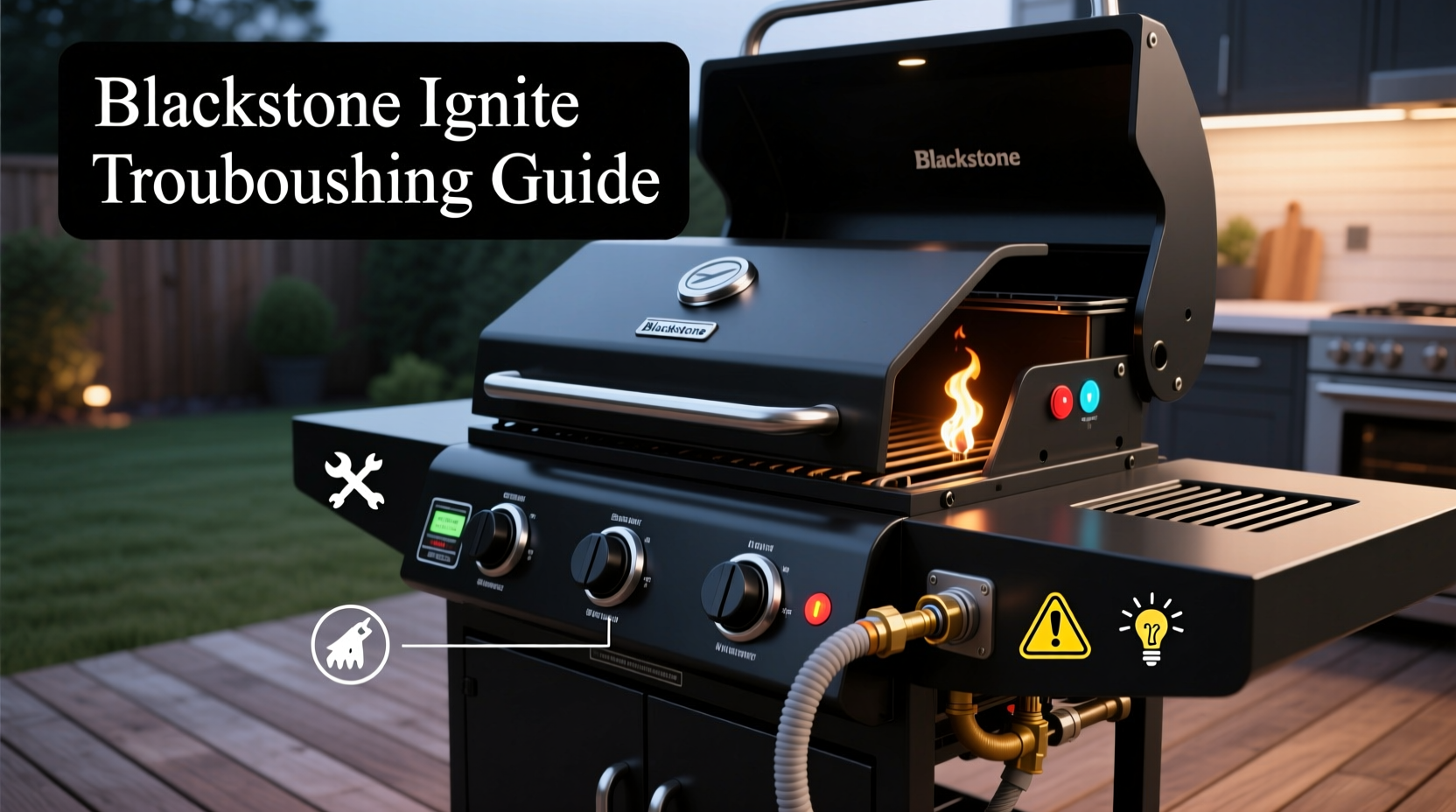
The Blackstone Ignite system is an electronic push-button ignition that uses a spark generator to light the propane gas at the burner. When you press the knob, a small electric spark jumps across a gap near the burner tube, igniting the gas. It's similar to a gas grill igniter but built specifically for flat-top griddles. For this system to work, three key components must function correctly:
- Ignition Module (Spark Generator): Produces the high-voltage spark.
- Spark Electrode (Igniter Tip): Located near the burner, where the spark jumps.
- Battery and Wiring: Supplies power to the module—typically a AA battery housed in the control panel.
If any of these components fail or become compromised by grease, moisture, or wear, the system won’t ignite properly.
Step-by-Step Troubleshooting Guide
Follow this logical sequence to diagnose and fix your non-working Ignite system. Start simple and move toward more involved checks.
- Check the Battery
The most common cause of Ignite failure is a dead or improperly installed AA battery. Remove the battery cover on the side of the control panel and inspect:- Is the battery present?
- Are the terminals corroded?
- Is it inserted with correct polarity (+/-)?
- Listen for the Spark Sound
Press the ignition button and listen closely near the burner. You should hear a distinct “click-click-click” sound as the spark fires. No sound usually indicates an electrical issue—battery, wiring, or module failure. - Inspect the Spark Electrode
Locate the ceramic-tipped electrode near the burner. Look for:- Cracks or breaks in the ceramic housing
- Excessive grease or carbon buildup on the tip
- Gaps between the electrode and ground (should be ~1/8 inch)
- Check Wire Connections
Trace the wire from the ignition module to the electrode. Ensure it’s securely attached at both ends and not frayed, cut, or disconnected. Re-seat loose connectors and protect exposed wires with heat-resistant insulation tape. - Test Grounding Path
The spark needs a complete circuit to jump. If the electrode isn’t properly grounded to the burner or frame, no spark will occur. Make sure the burner assembly is clean and metal-to-metal contact exists. Wipe away rust or debris blocking contact points.
Common Causes and Solutions Table
| Issue | Possible Cause | Solution |
|---|---|---|
| No spark sound | Dead battery, faulty module, broken wire | Replace battery; check wiring continuity; test or replace module |
| Spark but no ignition | Grease-covered electrode, misaligned gap, low gas flow | Clean electrode; adjust gap; ensure propane tank is open and full |
| Intermittent sparking | Loose connection, moisture in system, worn electrode | Dry components; tighten connections; replace damaged parts |
| Clicking continues after release | Stuck ignition switch or faulty module | Replace switch or ignition module |
Real-World Example: A Weekend Grill-Off Gone Cold
Dave, a backyard cooking enthusiast from Colorado, hosted a Saturday morning pancake event for his neighbors. He reached for his Blackstone Ignite button—nothing happened. No spark, no sound. After ruling out propane issues, he opened the battery compartment. The AA cell was corroded and slightly bulging. He replaced it with a fresh alkaline battery, cleaned the contacts with a cotton swab, and tried again. Still no spark. He then traced the wire and found it pinched under the control box, partially severed. After splicing in a new connector and securing the wire, the igniter fired perfectly. His lesson? Regular inspection of wiring and using quality batteries makes all the difference when guests are hungry.
“Most Ignite failures aren’t due to defective units—it’s maintenance neglect. A quick monthly check can prevent 90% of issues.” — Mark Reynolds, Outdoor Appliance Technician with 12 years of field experience
Preventive Maintenance Checklist
To avoid future ignition problems, perform these tasks regularly:
- ✅ Replace the AA battery every 3–6 months, even if still working
- ✅ Clean the spark electrode monthly during peak use
- ✅ Inspect wiring for damage, especially after moving or storing the griddle
- ✅ Keep the control panel covered or shielded from rain and splatter
- ✅ Use a protective cover when the griddle is not in use
- ✅ Test the igniter weekly to catch early signs of weakness
Frequently Asked Questions
Can I light my Blackstone griddle manually if the Ignite isn’t working?
Yes. Turn the burner knob to start, then use a long-reach lighter or match held near the burner tube to ignite the gas. Do this only with the propane connected and valve open. Once lit, adjust the flame as needed. This is a safe temporary solution while diagnosing the Ignite issue.
How do I know if the ignition module is bad?
If the battery is good, the wire is intact, and the electrode is clean and properly gapped, but there’s still no spark or sound, the module is likely faulty. You can test it with a multimeter for output voltage (typically 10,000+ volts), but most users opt to replace it directly. OEM modules are available through Blackstone customer service or authorized retailers.
Is the Blackstone Ignite waterproof?
No, the Ignite system is water-resistant but not waterproof. Exposure to rain, hose spray, or excessive moisture can short the circuit or corrode internal components. Always cover the control panel or store the griddle under shelter when not in use.
Final Thoughts and Action Plan
A malfunctioning Blackstone Ignite doesn’t mean your griddle is done for. In most cases, the fix is simple: a fresh battery, a wiped-down electrode, or a reconnected wire. The key is prompt diagnosis and consistent care. Don’t wait until game day to discover your igniter is dead. Build a quick pre-season checklist into your routine—inspect, clean, test—and you’ll enjoy years of hassle-free starts.
If you’ve resolved your Ignite issue or have a clever fix not mentioned here, share your experience. Your insight could help another weekend chef fire up their griddle with confidence.




 浙公网安备
33010002000092号
浙公网安备
33010002000092号 浙B2-20120091-4
Comments
No comments yet. Why don't you start the discussion?