
When setting a table, choosing the right dishware often feels like a subtle art. Among the many decisions—color, material, shape—one that frequently arises is whether breakfast plates and appetizer plates are interchangeable. At first glance, they may appear similar in size and function, but closer inspection reveals distinct purposes shaped by tradition, meal structure, and dining etiquette. Understanding these differences—and where overlap exists—can help you make smarter choices in both everyday meals and special gatherings.
Understanding Plate Types: Function and Design
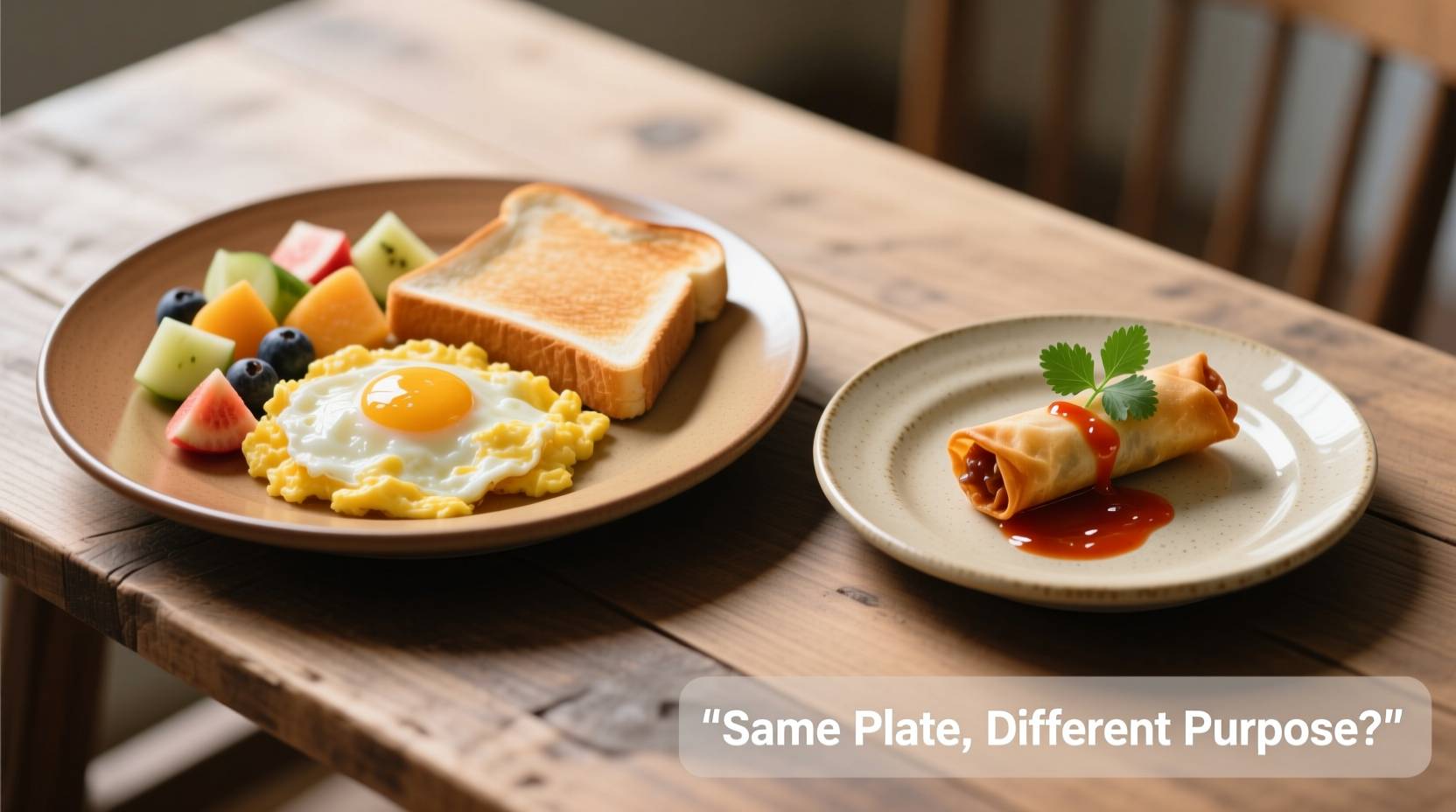
Plates are designed with specific courses and eating behaviors in mind. A breakfast plate typically accommodates heartier morning foods such as eggs, toast, pancakes, or breakfast meats. These dishes require space for multiple components and often involve cutting or mixing. In contrast, an appetizer plate serves lighter, pre-meal items like bruschetta, stuffed mushrooms, or shrimp cocktail. Its role is to present small portions elegantly without overwhelming the diner before the main course.
The standard breakfast plate measures between 9 and 10 inches in diameter—large enough to hold a balanced morning meal while leaving room for cutlery placement. Appetizer plates are usually smaller, ranging from 6.5 to 8 inches. This size keeps portion control in check and maintains visual harmony on a formally set table.
Functional Differences Between Breakfast and Appetizer Plates
The primary distinction lies in usage context. Breakfast plates are meal-centric. They’re built for full servings and often used with heavier utensils. Their larger surface area supports food combinations—scrambled eggs next to hash browns, for example—without overcrowding.
Appetizer plates, however, serve a transitional purpose. They're not meant to satisfy hunger but to stimulate the palate. Because of this, design plays a bigger role. Many appetizer plates feature decorative rims, raised centers, or contrasting textures to elevate simple bites into curated experiences. They’re also more likely to be cleared after each course, unlike breakfast plates, which remain on the table throughout the meal.
Material choice further differentiates them. While both may be made from porcelain, stoneware, or ceramic, appetizer plates often lean toward refined finishes—glossy glazes, metallic accents—for formal events. Breakfast plates prioritize durability and ease of cleaning, especially in households with children or frequent morning routines.
Size and Proportion Comparison
| Plate Type | Average Diameter | Typical Use Case | Common Materials |
|---|---|---|---|
| Breakfast Plate | 9–10 inches | Full morning meals (eggs, toast, fruit) | Porcelain, stoneware, melamine |
| Appetizer Plate | 6.5–8 inches | Small bites before dinner or cocktail snacks | Fine porcelain, bone china, artisan ceramics |
Can You Use the Same Plate for Both?
In practical terms, yes—you can absolutely use the same plate for both breakfast and appetizers, especially if you're aiming for versatility in a small kitchen or minimalist lifestyle. An 8-inch plate, for instance, comfortably holds a modest breakfast (like yogurt with granola and fruit) or a trio of deviled eggs at a dinner party.
However, success depends on context. For casual settings—a weekend brunch with family or a relaxed cocktail hour—using one multipurpose plate simplifies serving and cleanup. But in formal dining, adhering to traditional plate roles enhances the experience. Serving appetizers on oversized breakfast plates can make portions look sparse, diminishing visual appeal.
“Plate proportion influences perception. A well-sized plate makes even simple food feel intentional.” — Clara Nguyen, Table Styling Consultant
Real-World Example: The Brunch Buffet Dilemma
Sarah hosts monthly brunches for her book club. She initially used her large 10-inch breakfast plates for everything—from quiches to fruit skewers. Guests enjoyed the food, but feedback revealed a subtle issue: the smaller appetizer-style items looked lost on the big white surfaces. After switching to 8-inch charger-style plates for starters and reserving larger dishes for main breakfast items, the spread felt more balanced and visually appealing. Sarah didn’t need two full sets of dishware—just mindful pairing based on portion and presentation.
Smart Strategies for Maximizing Plate Utility
If you want to streamline your collection without compromising on style or function, consider these approaches:
- Invest in mid-size neutral plates – Choose 8-inch round plates in a solid color or subtle pattern. These work well for light breakfasts, desserts, and most appetizers.
- Layer with chargers or mats – Elevate a simple plate by placing it on a decorative charger. This adds formality when serving appetizers, even if the base plate is utilitarian.
- Use tiered stands for appetizers – When serving cocktails or hors d'oeuvres, bypass individual plates altogether and opt for serving trays or stands. This reduces dish load and increases accessibility.
- Reserve specialty plates for specific occasions – Keep delicate or ornate appetizer plates for dinner parties, while relying on durable breakfast plates for daily use.
Checklist: Can Your Plate Pull Double Duty?
- ✔️ Is the diameter between 8 and 9 inches?
- ✔️ Does it have a simple, versatile design?
- ✔️ Is it made from durable, easy-to-clean material?
- ✔️ Can it accommodate both a pancake stack and a trio of spring rolls?
- ✔️ Does it look balanced with both casual and slightly formal table settings?
FAQ: Common Questions About Plate Usage
Can I serve appetizers on a dessert plate instead?
Yes, dessert and appetizer plates are often similar in size and design. Just ensure the style matches the tone of your meal—elegant for formal events, casual for backyard gatherings.
Is it okay to reuse a breakfast plate for appetizers during the same meal?
In informal settings, yes. However, in multi-course meals, it's best to replace used plates. Lingering breakfast crumbs or syrup residue can detract from the appetizer experience.
What’s the best material for dual-purpose plates?
Vitrified porcelain or high-quality stoneware offers durability, chip resistance, and a polished look suitable for both uses. Avoid overly glossy or textured finishes unless they suit both casual and semi-formal contexts.
Making the Right Choice for Your Lifestyle
Ultimately, the decision to use the same plate for breakfast and appetizers hinges on your priorities. If convenience and minimalism guide your kitchen philosophy, a well-chosen, medium-sized plate can serve admirably across mealtimes. For those who entertain frequently or value culinary presentation, maintaining separate sets ensures each course receives its due respect.
There’s no universal rule—only what works for your table. Whether you own three dozen specialized dishes or a single stack of all-purpose ceramics, thoughtful use matters more than quantity. Matching plate size to portion, occasion, and aesthetic creates a more enjoyable dining rhythm.
“The best tableware isn’t always the fanciest—it’s the kind that gets used, appreciated, and brings people together.” — Marcus Reed, Culinary Educator
Conclusion
Breakfast plates and appetizer plates serve distinct roles, but their functions aren’t mutually exclusive. With careful selection and awareness of context, one plate can successfully transition from morning meals to evening starters. Focus on size, durability, and visual balance when evaluating your options. By doing so, you’ll create a more flexible, functional, and elegant dining experience—no matter the time of day.




 浙公网安备
33010002000092号
浙公网安备
33010002000092号 浙B2-20120091-4
Comments
No comments yet. Why don't you start the discussion?