
Suddenly noticing more bruises than usual—even without recalling injury—can be unsettling. Bruising easily is a common concern, especially as people age, but it can also signal underlying health issues. While minor bruising from everyday bumps is normal, frequent or unexplained bruising warrants attention. Understanding why it happens, recognizing red flags, and knowing when to seek medical advice empowers you to take control of your health.
What Happens When You Bruise?
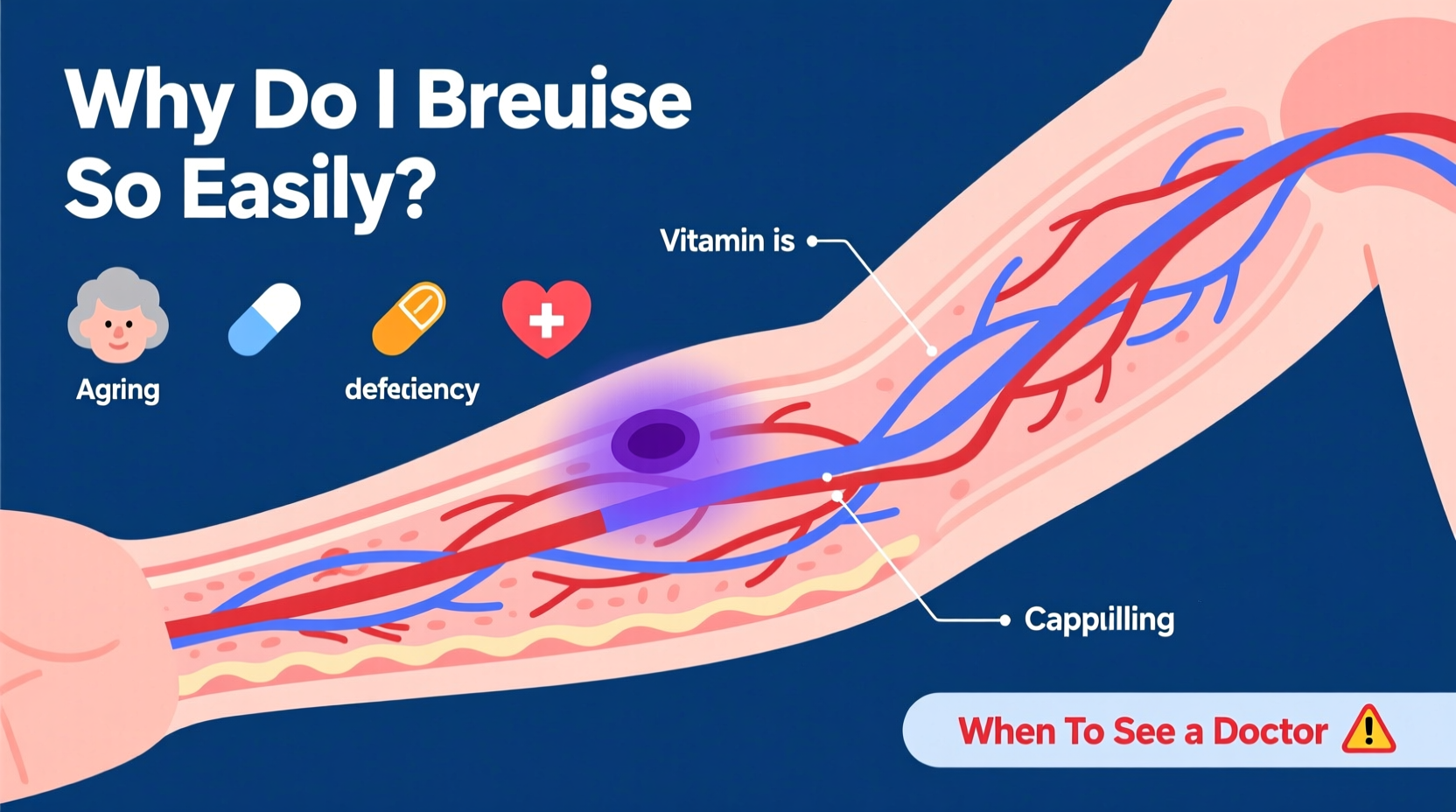
A bruise, or contusion, forms when small blood vessels under the skin rupture due to trauma. Blood leaks into surrounding tissues, causing the characteristic blue, purple, or yellow discoloration. Over time, the body reabsorbs this blood, and the bruise fades.
Bruising isn't always linked to major injury. Even minor pressure or bumping into furniture can cause a mark in some individuals. However, if you're developing bruises with no clear cause, or they appear unusually large or slow to heal, it may point to an internal factor.
Common Causes of Easy Bruising
Several factors influence how prone someone is to bruising. Some are harmless and related to lifestyle or aging; others may require medical evaluation.
- Aging skin: As we age, the skin becomes thinner and loses protective fat padding. Blood vessels also become more fragile, making them easier to break.
- Genetics: Some people naturally have more delicate capillaries or lighter skin, making bruises more visible.
- Medications: Certain drugs, like aspirin, corticosteroids, anticoagulants (e.g., warfarin), and even some antidepressants, can impair clotting or weaken blood vessel walls.
- Dietary deficiencies: Low levels of vitamin C, vitamin K, or vitamin B12 can affect blood vessel integrity and clotting ability.
- Alcohol consumption: Chronic alcohol use impairs liver function and platelet activity, increasing bruising risk.
- Physical activity: Athletes or those engaged in contact sports may bruise more frequently due to repeated micro-trauma.
When to Worry: Warning Signs That Need Medical Attention
Not all bruising requires intervention, but certain symptoms suggest an underlying condition that needs investigation.
“Unexplained bruising, especially when paired with fatigue, frequent nosebleeds, or gum bleeding, should prompt a visit to your primary care provider.” — Dr. Lena Patel, Hematology Specialist
Seek medical evaluation if you experience any of the following:
- Bruises appearing without injury, particularly on the torso, back, or face
- Large or rapidly expanding bruises
- Slow healing—bruises lasting longer than two weeks
- Frequent nosebleeds or bleeding gums
- Heavy menstrual periods or blood in urine/stool
- Family history of bleeding disorders
- Sudden onset of easy bruising after starting a new medication
Potential Underlying Conditions
Chronic or severe bruising may indicate:
- Von Willebrand disease: The most common inherited bleeding disorder affecting clotting proteins.
- Thrombocytopenia: Low platelet count, which can result from autoimmune diseases, infections, or medications.
- Liver disease: Impaired liver function reduces production of clotting factors.
- Leukemia or other blood cancers: Abnormal cells interfere with normal blood cell function.
- Vitamin deficiencies: Especially vitamin C (scurvy) or vitamin K deficiency.
Do’s and Don’ts: Managing Easy Bruising
| Do’s | Don’ts |
|---|---|
| Use moisturizers to keep skin hydrated and resilient | Ignore sudden, widespread bruising |
| Eat a balanced diet rich in vitamins C, K, and B12 | Take NSAIDs (like ibuprofen) daily without medical advice |
| Wear protective clothing during physical activities | Consume excessive alcohol regularly |
| Review medications with your doctor annually | Self-diagnose or stop prescribed meds abruptly |
| Apply cold compresses immediately after injury | Massage a fresh bruise—it can worsen bleeding |
Real-Life Example: A Case of Unexplained Bruising
Sarah, a 54-year-old office worker, began noticing bruises on her arms and legs despite not remembering any injuries. Initially dismissing it as aging, she became concerned when a large purple mark appeared on her abdomen with no known cause. She also felt unusually tired and had heavier periods.
After discussing her symptoms with her doctor, blood tests revealed low platelet levels. Further investigation diagnosed immune thrombocytopenia (ITP), an autoimmune condition where the body attacks its own platelets. With proper treatment—including steroid therapy and lifestyle adjustments—Sarah’s platelet count improved, and her bruising decreased significantly within months.
This case highlights how seemingly minor symptoms can point to serious conditions—and why timely medical consultation matters.
Step-by-Step Guide: What to Do If You Bruise Easily
If easy bruising concerns you, follow this practical sequence:
- Monitor and document: Keep a log of bruises—location, frequency, size, and possible triggers.
- Review medications: Check with your pharmacist or doctor about side effects of current prescriptions or supplements.
- Assess diet: Ensure adequate intake of leafy greens (vitamin K), citrus fruits (vitamin C), and animal proteins or fortified foods (B12).
- Limit alcohol: Reduce consumption to support liver and blood health.
- Schedule a check-up: Request a complete blood count (CBC), coagulation panel, and liver function tests.
- Follow up: If results are abnormal, see a hematologist for specialized evaluation.
Frequently Asked Questions
Why do I bruise so easily now when I didn’t before?
Age is a major factor—skin thins and blood vessels weaken over time. Hormonal changes (especially in menopause), long-term sun damage, and cumulative effects of medications or alcohol can also increase susceptibility.
Can vitamins help reduce bruising?
Yes. Vitamin C strengthens blood vessel walls, vitamin K supports clotting, and vitamin B12 helps maintain healthy red blood cells. Deficiencies in these nutrients are linked to increased bruising. However, consult your doctor before starting supplements, as excess intake can have risks.
Is it dangerous to bruise easily after taking blood thinners?
Some increase in bruising is expected with anticoagulant therapy, but sudden worsening or spontaneous bruising should be reported to your prescribing physician. They may adjust dosage or evaluate for complications.
Conclusion: Take Charge of Your Health
Bruising easily isn’t always a sign of something serious, but it shouldn’t be ignored—especially when patterns change or other symptoms arise. By understanding the causes, monitoring your body’s signals, and seeking timely medical input, you can rule out serious conditions and improve your overall well-being.




 浙公网安备
33010002000092号
浙公网安备
33010002000092号 浙B2-20120091-4
Comments
No comments yet. Why don't you start the discussion?