
A capsule wardrobe is more than a minimalist fashion trend—it’s a strategic approach to dressing that emphasizes quality over quantity, intentionality over impulse, and versatility over excess. For many, the idea of building one from scratch feels overwhelming. Where do you begin? What pieces are essential? How do you ensure it reflects your lifestyle without sacrificing style? The answers lie in thoughtful planning, self-awareness, and a few proven principles used by wardrobe stylists and sustainable fashion experts.
This guide walks through every step of creating a functional, adaptable capsule wardrobe tailored to your needs. Whether you live in a city with four distinct seasons or work in a corporate environment with casual Fridays, the framework here applies universally. Forget trends that fade by next month. Focus instead on building a foundation that lasts years, reduces decision fatigue, and makes getting dressed easier.
Understanding the Capsule Wardrobe Philosophy
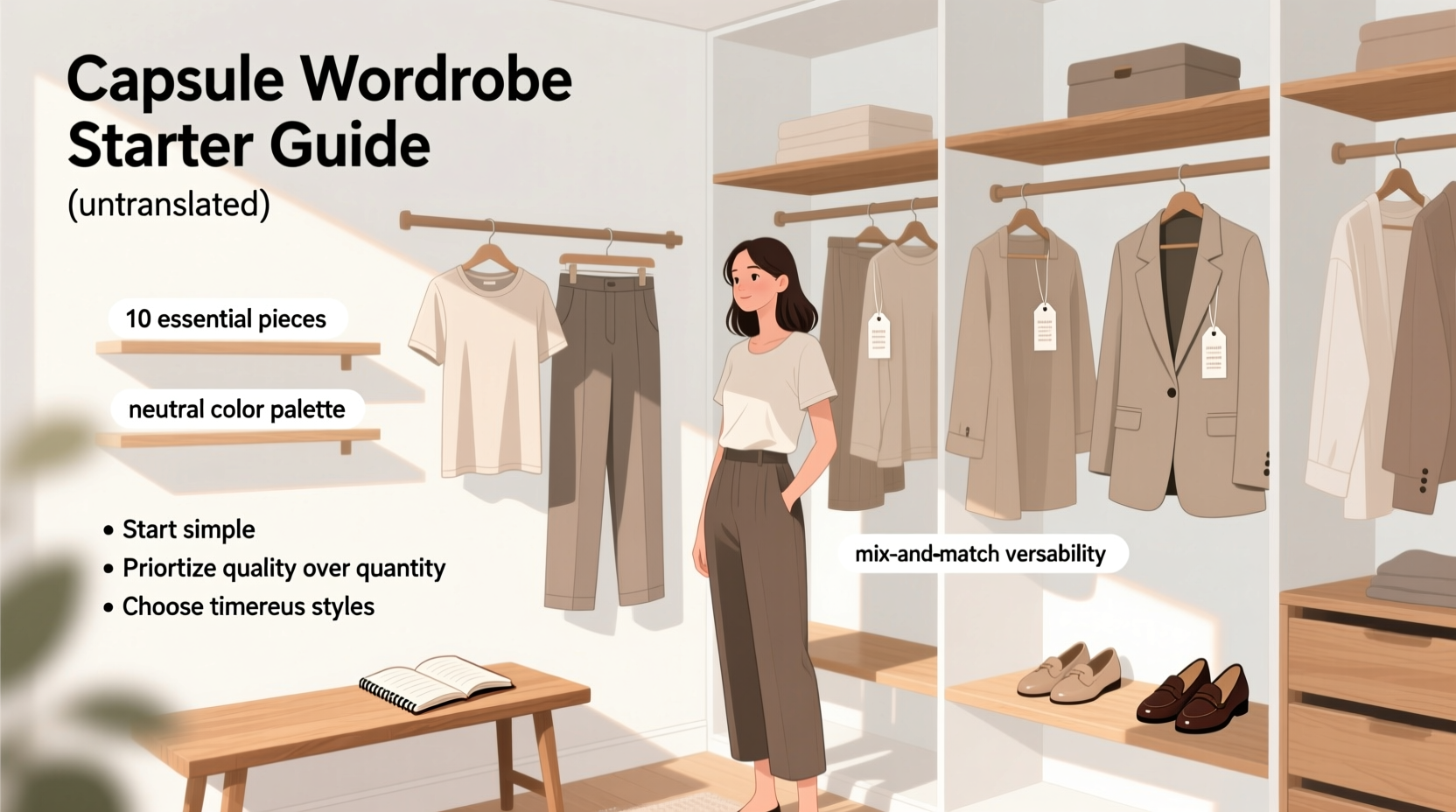
The term “capsule wardrobe” was popularized in the 1970s by London boutique owner Susie Faux, then later adopted by designer Donna Karan in her iconic “seven easy pieces” collection. Today, it refers to a small collection of clothing—typically 30 to 50 items—that mix and match seamlessly across seasons and occasions. The goal isn’t deprivation but liberation: fewer choices mean less stress, less clutter, and more confidence in what you wear.
At its core, a capsule wardrobe revolves around three principles:
- Intentionality: Every piece has a purpose and fits your current life.
- Versatility: Garments can be styled in multiple ways for different settings.
- Quality: Materials and construction support longevity and comfort.
“A true capsule wardrobe isn’t about having less for the sake of minimalism. It’s about having exactly what you need—and loving everything you own.” — Sarah Thornton, Sustainable Style Consultant
Beginners often make the mistake of focusing only on numbers—“I must have only 35 items!”—but the real value lies in alignment. Your wardrobe should reflect your daily routine, climate, personal aesthetic, and values. A teacher who stands all day needs different staples than a remote worker attending Zoom calls in sweatpants (though both can benefit from well-chosen basics).
Step-by-Step Guide to Building Your First Capsule Wardrobe
Starting from scratch doesn’t mean throwing out everything you own. Instead, follow this five-phase process to build a curated, functional collection.
- Pause and Assess: Take two weeks to observe what you actually wear. Keep a log or use a note-taking app to track outfits daily. Note patterns: Which shirts do you reach for most? What shoes feel uncomfortable after an hour?
- Empty and Evaluate: Remove all clothes from your closet. Sort them into four categories: Keep, Maybe, Donate/Sell, and Discard. Be honest. If something hasn’t been worn in nine months and doesn’t spark joy or serve a purpose, let it go.
- Define Your Style Archetype: Identify your preferred aesthetic—e.g., classic, minimalist, relaxed, polished casual. Look at Pinterest boards or past favorite outfits. Ask: Do I gravitate toward neutral tones or bold colors? Structured silhouettes or flowy fabrics?
- Create a Foundation List: Based on your lifestyle and preferences, draft a list of essential categories (see table below). Start with 25–30 core pieces before adding seasonal layers.
- Shop Strategically: Buy only what fills genuine gaps. Prioritize timeless cuts, natural fibers, and ethical brands when possible. Try one new item at a time and test how it pairs with existing pieces.
Essential Categories and Smart Selection Criteria
A balanced capsule includes foundational garments that layer easily and transition between roles. The exact number per category depends on your climate and schedule, but the structure remains consistent.
| Category | Suggested Quantity | Key Features to Look For |
|---|---|---|
| Tops (blouses, tees, button-downs) | 6–8 | Versatile necklines, neutral or coordinating colors, breathable fabric |
| Bottoms (jeans, trousers, skirts) | 4–5 | Waistband comfort, mid-to-high rise, machine-washable if needed |
| Dresses/Jumpsuits | 2–3 | Adaptable for day or evening, easy care, flattering cut |
| Outerwear (blazer, coat, cardigan) | 3–4 | Season-appropriate weight, neutral tone, structured shoulders if needed |
| Shoes | 3–4 pairs | Comfort for daily use, color coordination with majority of wardrobe |
| Accessories (scarves, belts, bags) | 3–5 | Minimalist designs, durable materials, complementary metals |
When selecting individual pieces, prioritize fit above all else. A perfectly tailored blazer in a slightly less ideal color will elevate your look more than a trendy jacket that bunches at the shoulders. Also consider fabric composition: cotton, wool, linen, and TENCEL™ tend to age better than synthetic blends, which may pill or lose shape quickly.
Real Example: Maria’s Transition to a Functional Wardrobe
Maria, a 34-year-old marketing manager in Chicago, struggled with morning indecision despite owning over 80 tops. Her closet overflowed with sales finds and seasonal trends she rarely wore. After reading about capsule wardrobes, she committed to rebuilding hers from scratch.
She began by tracking her outfits for two weeks. She discovered that 70% of her outfits included just five jeans and three sweaters. Inspired, she cleared her closet and identified her archetype: “professional yet approachable.” She chose a neutral base of navy, charcoal, cream, and olive green.
Her final capsule included:
- Two pairs of dark wash jeans
- One black tailored pant
- One midi skirt in charcoal wool
- Three silk-blend blouses (white, burgundy, taupe)
- Two merino wool sweaters
- A structured navy blazer
- A trench coat and a puffer vest for winter
- One pair of ankle boots, one loafer, one sneaker
- A leather tote and a crossbody bag
Within a month, Maria reported spending 40% less time choosing outfits and felt more confident in meetings. She also saved money by avoiding impulsive purchases and extended the lifespan of her clothes through mindful rotation.
Common Pitfalls and How to Avoid Them
Even with good intentions, beginners often fall into predictable traps. Recognizing these early can save time, money, and frustration.
Overemphasizing Rules Over Reality
Some believe a capsule must contain exactly 37 items or exclude all patterns. These aren’t universal laws. Your wardrobe should adapt to your life—not force your life to adapt to it. If you attend weddings regularly, include one or two dressier pieces even if they’re “non-essential.”
Ignoring Climate and Lifestyle Needs
A capsule built for Los Angeles won’t work in Minneapolis. Include weather-specific layers like thermal base layers or rain-resistant outerwear if needed. Likewise, if you bike to work, prioritize wrinkle-resistant fabrics and secure hemlines.
Buying All New Items at Once
Rushing to “complete” the wardrobe leads to overspending and poor decisions. Build gradually. Use what you already own first, then replace worn items with higher-quality alternatives as needed.
Checklist: Launch Your Capsule Wardrobe in 30 Days
Follow this actionable plan to create a functional wardrobe within a month:
- Week 1: Track every outfit worn and note comfort, occasion, and frequency.
- Week 2: Empty your closet and sort items using the Keep/Maybe/Donate/Discard method.
- Week 3: Define your style archetype and draft a list of missing essentials.
- Week 4: Purchase 1–3 key pieces and test their compatibility with your kept items.
- Ongoing: Rotate seasonally, repair damaged items promptly, and reassess every 3–6 months.
After completing the initial build, maintain momentum by scheduling quarterly reviews. Ask: Has my job changed? Am I exercising more? Have my color preferences shifted? Adjust accordingly.
Frequently Asked Questions
Can I include trendy pieces in a capsule wardrobe?
Yes—but sparingly. One or two trend-aligned accessories (like a belt or scarf) can refresh your look without compromising cohesion. Avoid trendy silhouettes that may feel dated in six months unless they genuinely align with your long-term style.
How do I handle special occasions?
Your capsule covers everyday wear. For events like weddings or galas, keep one or two elevated pieces outside the main count, or consider renting formal attire. This keeps your core wardrobe focused while allowing flexibility.
What if my workplace has variable dress codes?
Design your capsule around the most common requirement. For example, if you dress casually Monday–Thursday but formally on Fridays, include one suit or blazer that layers over casual pieces. Pair with different shoes and accessories to shift the formality level.
Final Thoughts: Build With Purpose, Wear With Confidence
Building a capsule wardrobe from scratch isn’t about achieving perfection. It’s about progress—toward clarity, sustainability, and personal expression. By curating fewer, better pieces, you invest not just in clothing but in daily ease and self-assurance.
Start small. Be patient. Let your wardrobe evolve as you do. Each time you choose an outfit effortlessly, you’ll feel the payoff of intentional design. And remember: the best wardrobe isn’t the smallest or the most expensive—it’s the one that makes you feel like the most authentic version of yourself.




 浙公网安备
33010002000092号
浙公网安备
33010002000092号 浙B2-20120091-4
Comments
No comments yet. Why don't you start the discussion?