
Stress is a normal part of life. It can motivate, sharpen focus, and help us meet deadlines. But when stress becomes chronic, unrelenting, and begins to erode your physical health, emotional stability, and sense of purpose, it may no longer be just stress—it could be burnout. The line between the two is often blurred, and recognizing where you stand determines whether you need a short rest or a fundamental shift in how you live.
Distinguishing between temporary fatigue and systemic exhaustion isn’t always intuitive. Many people push through symptoms until they collapse, only then realizing they’ve been on a collision course with burnout for months. Understanding the differences—and knowing what each truly requires—can save your career, relationships, and health.
Understanding Stress: The Body’s Alarm System
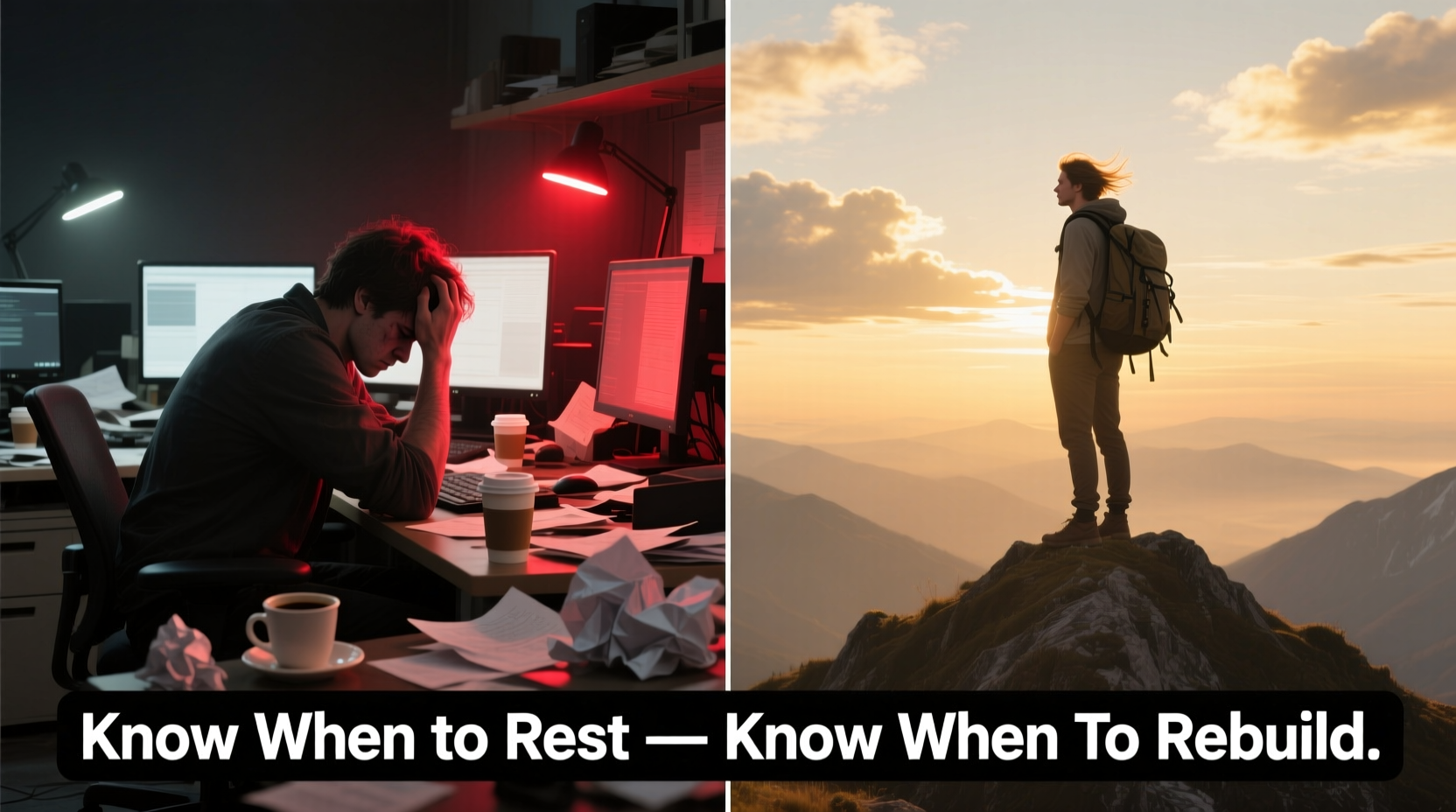
Stress is a physiological response to perceived threats or demands. When you're stressed, your nervous system activates the \"fight-or-flight\" mechanism. Cortisol and adrenaline spike, increasing heart rate, sharpening senses, and preparing the body for action. This reaction is useful in acute situations—a looming deadline, an urgent problem at work, or a personal conflict.
In manageable doses, stress can enhance performance. It keeps you alert, focused, and goal-oriented. However, problems arise when stress becomes constant. Chronic stress occurs when there’s no recovery period, no downtime for the nervous system to reset. Over time, this wears down both mental and physical resilience.
Common Signs of Acute Stress
- Increased irritability or anxiety
- Trouble sleeping or changes in appetite
- Muscle tension or headaches
- Difficulty concentrating
- Feeling overwhelmed but still motivated to push through
These symptoms are uncomfortable but typically reversible. With proper rest, boundaries, and self-care, most people recover from periods of high stress without lasting consequences.
Burnout: The Slow Erosion of Energy and Meaning
Burnout goes beyond stress. It’s not just feeling tired; it’s a state of emotional, physical, and mental exhaustion caused by prolonged exposure to excessive demands without adequate recovery. The World Health Organization (WHO) officially recognizes burnout as an occupational phenomenon characterized by three dimensions:
- Feelings of energy depletion or exhaustion
- Increased mental distance from one’s job, or feelings of negativism or cynicism related to work
- Reduced professional efficacy
Unlike stress, which often comes with a sense of urgency and over-engagement, burnout is marked by disengagement, apathy, and a loss of identity in your role. You might still show up, but you’re going through the motions. The spark is gone.
“Burnout is not a sign of weakness. It’s a signal that your current way of living or working is unsustainable.” — Dr. Christina Maslach, pioneer in burnout research
Key Indicators of Burnout
- Chronic fatigue that doesn’t improve with sleep
- Emotional numbness or detachment
- Cynical or negative outlook toward responsibilities
- Decreased productivity despite effort
- Physical symptoms like frequent illness, digestive issues, or persistent pain
- Loss of enjoyment in activities once found meaningful
If you find yourself thinking, “What’s the point?” more often than “I can handle this,” you may be experiencing burnout rather than stress.
Break vs. Lifestyle Change: Knowing What You Really Need
Not every low period requires a complete overhaul. Sometimes, a well-timed break is exactly what the body and mind need. Other times, returning to the same environment after a vacation will only restart the cycle of depletion. The critical question is: Will rest fix this, or is the structure itself broken?
| Factor | Need a Break? | Need a Lifestyle Change? |
|---|---|---|
| Energy Levels After Rest | Improve significantly after 2–3 days off | Remain low even after extended time away |
| Motivation | Temporarily drained but returns with rest | Persistent lack of interest or drive |
| Work Environment | Generally supportive; occasional overload | Chronically toxic, under-resourced, or misaligned with values |
| Sense of Purpose | Still present; temporarily obscured by pressure | Faded or completely absent |
| Physical Symptoms | Occasional headaches, mild insomnia | Recurrent illness, chronic pain, digestive disorders |
This comparison isn’t definitive, but it offers a framework. A break helps when the issue is intensity. A lifestyle change is necessary when the issue is alignment—when your daily reality conflicts with your health, values, or long-term goals.
Real-Life Example: Sarah’s Turning Point
Sarah, a marketing director at a fast-growing tech startup, prided herself on her resilience. She worked 60-hour weeks, responded to emails late into the night, and rarely took vacation. When she started experiencing migraines and insomnia, she assumed it was just a tough quarter. She took a long weekend, slept in, and felt better—briefly.
Within a week, the fatigue returned. Then came the irritability. She snapped at her team over minor issues. She began dreading Mondays not because of workload, but because she couldn’t imagine another five days of the same routine. Her doctor noted elevated blood pressure and recommended stress management.
She took a ten-day vacation. She came back rested—but within days, the old symptoms resurfaced. That’s when she realized: this wasn’t about needing more breaks. It was about a job that demanded constant availability, rewarded overwork, and offered little autonomy. The environment wasn’t sustainable for her.
Sarah didn’t quit immediately. Instead, she initiated a structured reflection process. She evaluated her non-negotiables: time with family, creative fulfillment, mental clarity. She negotiated remote work options, set email boundaries, and eventually transitioned to a role with better work-life integration. The change wasn’t dramatic overnight, but it was deliberate and lasting.
Sarah’s story illustrates a key truth: burnout recovery isn’t just about removing stressors. It’s about rebuilding a life that supports sustained well-being.
Action Plan: From Awareness to Change
Recognizing the problem is only the first step. Here’s a practical, step-by-step guide to determine your next move and implement it effectively.
- Pause and Assess Honestly
Set aside time—without distractions—to reflect. Use journaling prompts: “When do I feel most drained? What gives me energy? Am I avoiding certain thoughts or conversations?” - Track Your Symptoms Weekly
For two weeks, log your energy levels, mood, sleep quality, and physical symptoms. Note patterns. Are weekends truly restorative? Does relief last, or does dread return Sunday evening? - Evaluate Your Environment
List the aspects of your current situation: workload, support systems, autonomy, recognition, work culture. Which factors are within your control? Which require external change? - Test a Short Break
Take 3–5 consecutive days completely offline. No work calls, no checking messages. Observe how you feel at the end. Do you feel renewed? Or is there a lingering heaviness? - Decide: Adjust or Transform?
If you feel better and motivated to return with new boundaries, plan adjustments: delegate tasks, renegotiate expectations, protect rest time. If you feel indifferent or worse, consider deeper changes: role shift, career pivot, or structural life redesign. - Seek Support
Talk to a therapist, coach, or trusted mentor. External perspective helps cut through denial or guilt. You don’t have to make these decisions alone.
Checklist: Is It Time for a Lifestyle Change?
Use this checklist to evaluate whether your situation calls for more than a break:
- ☑ I feel exhausted even after a full night’s sleep
- ☑ I dread my daily responsibilities consistently
- ☑ My relationships are suffering due to my irritability or absence
- ☑ I’ve lost interest in things I used to care about
- ☑ I’m frequently sick or experiencing unexplained physical symptoms
- ☑ I’ve tried taking time off, but the relief doesn’t last
- ☑ My values no longer align with my current role or lifestyle
- ☑ I feel trapped or hopeless about making improvements
If you checked four or more, a lifestyle change isn’t just advisable—it may be essential for your long-term health.
Frequently Asked Questions
Can you recover from burnout without quitting your job?
Yes, in some cases. Recovery depends on whether the environment can change. If your organization supports boundary-setting, reduced workload, flexible scheduling, or role adjustments, staying may be possible. But if the culture glorifies overwork and resists change, recovery within the same role is unlikely.
How long does it take to recover from burnout?
There’s no fixed timeline. Mild burnout may resolve in a few weeks with rest and boundary enforcement. Severe cases can take months or even years, especially if underlying beliefs about self-worth tied to productivity need reworking. Healing is nonlinear—expect progress with setbacks.
Is burnout the same as depression?
No, though they share symptoms. Burnout is context-specific, usually tied to work or caregiving roles. Depression is a clinical condition that affects all areas of life, regardless of circumstance. However, chronic burnout increases the risk of developing depression. If you’re unsure, consult a mental health professional.
Conclusion: Honor Your Limits to Reclaim Your Life
Stress tells you something is hard. Burnout tells you something is wrong. One calls for rest. The other demands reevaluation. Ignoring either can lead to long-term consequences—but listening early creates space for renewal.
You don’t have to wait until you’re broken to make a change. Small shifts in routine, mindset, and environment can prevent burnout before it takes root. And if you’re already deep in it, know this: stepping back isn’t failure. It’s the bravest form of self-preservation.
Whether you need a weekend to recharge or a complete redesign of how you live and work, start today. Reflect honestly. Seek support. Make moves that honor your humanity, not just your output. Your well-being isn’t negotiable—it’s the foundation everything else depends on.




 浙公网安备
33010002000092号
浙公网安备
33010002000092号 浙B2-20120091-4
Comments
No comments yet. Why don't you start the discussion?