
It’s a familiar ritual: you're feeling sluggish, so you reach for a cup of coffee. Within minutes, you expect a surge of alertness—only to feel more exhausted than before. Instead of energizing you, your coffee seems to drain your energy instantly. This counterintuitive reaction is known as the \"caffeine paradox.\" While caffeine is widely recognized as a stimulant, its effects are far more complex than a simple energy boost. For many people, coffee doesn’t just fail to wake them up—it actively contributes to fatigue. Understanding why this happens requires exploring the interplay between caffeine, adenosine, cortisol, hydration, and individual physiology.
The Science Behind Caffeine and Adenosine
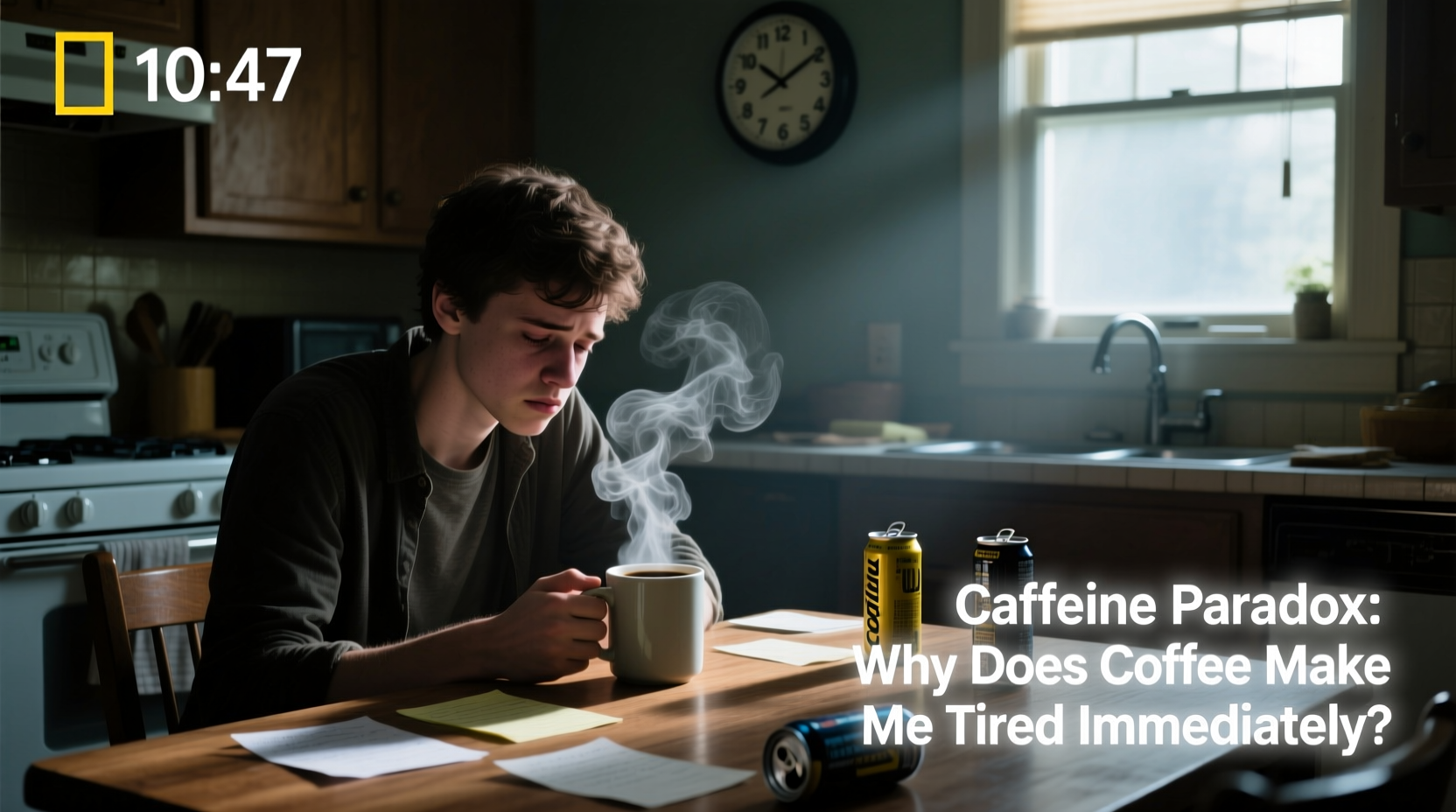
Caffeine works by blocking adenosine receptors in the brain. Adenosine is a neurotransmitter that accumulates throughout the day, promoting drowsiness and signaling the body that it's time to rest. As adenosine builds up, you naturally begin to feel tired. Caffeine mimics adenosine’s shape, binding to its receptors without activating them, effectively preventing the signal for sleepiness from being received.
However, this blockade is temporary. Once caffeine wears off—typically after 3 to 5 hours—the accumulated adenosine floods the receptors all at once. This sudden release can cause a sharp drop in energy, often referred to as a \"crash.\" If you already had high levels of adenosine before drinking coffee (due to poor sleep or prolonged wakefulness), the rebound effect can be intense, making you feel more tired than before you drank the coffee.
“Caffeine doesn’t eliminate fatigue—it masks it. The underlying tiredness returns with interest once the drug clears your system.” — Dr. Sarah Lin, Neurologist and Sleep Specialist
Cortisol and Timing: Why Your Morning Coffee Might Be Working Against You
Your body produces cortisol, a hormone that regulates alertness, in natural circadian peaks. For most people, cortisol levels spike 30 to 60 minutes after waking, around 8–9 AM, and again in the mid-afternoon. Drinking coffee during these peak times may reduce its effectiveness because your body is already in a heightened state of alertness.
When you consume caffeine when cortisol is high, you not only get less benefit from the stimulant, but you also increase the risk of building tolerance faster. Over time, this means you need more caffeine to achieve the same effect. Worse, if you rely on coffee during natural energy highs, you may experience a sharper decline later when both cortisol and caffeine levels drop simultaneously.
Dehydration and Blood Sugar: Hidden Contributors to Fatigue
Coffee is a mild diuretic, meaning it increases urine production and can lead to fluid loss. Even mild dehydration—defined as a 1–2% loss of body water—can impair concentration, mood, and energy levels. If you drink coffee without balancing it with water, you may unknowingly dehydrate yourself, contributing to feelings of fatigue shortly after consumption.
Additionally, many people take their coffee with sugar or sweetened creamers. A spike in blood glucose triggers insulin release, which can lead to a rapid drop in blood sugar—hypoglycemia—within an hour. This \"sugar crash\" mimics mental fog and lethargy, often coinciding with the fading effects of caffeine. The combination of dropping blood sugar and clearing caffeine creates a perfect storm for immediate tiredness.
| Factor | Effect on Energy | Solution |
|---|---|---|
| Adenosine rebound | Post-caffeine fatigue surge | Limit intake; avoid on empty adenosine buildup |
| Cortisol timing mismatch | Reduced caffeine efficacy | Delay coffee by 60–90 mins after waking |
| Dehydration | Mental fog, low alertness | Drink water with every cup of coffee |
| Blood sugar spike & crash | Energy rollercoaster | Avoid added sugars; pair with protein |
Individual Sensitivity and Metabolism Differences
Not everyone processes caffeine the same way. Genetic variations in the CYP1A2 gene determine how quickly your liver metabolizes caffeine. \"Fast metabolizers\" clear caffeine efficiently and often enjoy sustained energy without jitters or crashes. \"Slow metabolizers,\" however, may experience prolonged stimulation followed by abrupt fatigue, anxiety, or disrupted sleep—even from small doses.
Other factors like age, medication use, pregnancy, and liver health also influence caffeine metabolism. Additionally, habitual coffee drinkers often develop tolerance, requiring more caffeine to achieve the same alertness, which increases the likelihood of dependency and withdrawal-related fatigue.
“I used to drink two lattes by 10 a.m., only to nap at my desk by noon. When I switched to one black coffee at 9:30 and added a glass of water and a hard-boiled egg, my energy stayed stable until lunch.” — Mark T., software developer and former chronic crasher
Step-by-Step Guide to Avoiding the Caffeine Crash
If coffee consistently makes you tired, a strategic approach can help you reclaim its benefits without the drawbacks. Follow this timeline to optimize your caffeine use:
- Wait 60–90 minutes after waking to drink coffee, letting cortisol rise naturally first.
- Start with a smaller dose—80–100 mg of caffeine (about half a standard cup) to assess sensitivity.
- Hydrate first: Drink a full glass of water before your coffee to offset diuretic effects.
- Avoid added sugar; opt for unsweetened almond milk, cinnamon, or a dash of cocoa instead.
- Pair with protein or healthy fats, such as nuts or yogurt, to stabilize blood sugar.
- Set a cutoff time—ideally before 2 PM—to prevent interference with sleep quality.
- Take breaks: Consider a caffeine holiday every few months to reset tolerance.
Common Mistakes That Worsen the Paradox
- Drinking coffee immediately upon waking
- Consuming multiple cups in quick succession
- Using coffee as a substitute for sleep
- Ignoring hydration needs
- Adding high-sugar syrups or whipped cream
- Relying on caffeine to power through chronic fatigue
FAQ: Your Caffeine Questions Answered
Can coffee make you tired even if you don’t drink much?
Yes. Even small amounts of caffeine can trigger a crash in sensitive individuals, especially if consumed during a cortisol peak or on an empty stomach. Slow metabolizers may feel fatigued after just 50 mg of caffeine.
Is it possible to be allergic to caffeine?
True caffeine allergies are rare, but some people have extreme sensitivities. Symptoms like fatigue, headaches, or heart palpitations after coffee may indicate intolerance rather than allergy, often linked to genetics or adrenal fatigue.
Why do I feel sleepy right after my first sip of coffee?
Immediate fatigue isn't caused by caffeine itself, which takes 10–15 minutes to kick in. What you’re likely experiencing is the body releasing built-up adenosine once the initial stimulation begins, or a psychological letdown after anticipation. Dehydration or low blood sugar may also play a role.
Conclusion: Rethink Your Relationship with Coffee
The caffeine paradox isn’t a flaw in coffee—it’s a sign that your body is responding to misused or mistimed stimulation. Coffee can be a powerful tool for focus and productivity, but only when used strategically. By aligning your intake with your biology, staying hydrated, managing blood sugar, and respecting your genetic limits, you can avoid the crash and harness caffeine’s true potential.




 浙公网安备
33010002000092号
浙公网安备
33010002000092号 浙B2-20120091-4
Comments
No comments yet. Why don't you start the discussion?