
Walk into any luxury boutique or scroll through a high-end fashion site, and you’ll likely spot small but striking accessories dangling from handbags—gold-toned camellia keychains, interlocked initials, or delicate enamel charms. These seemingly minor embellishments often carry price tags that rival small electronics. But beyond their visual appeal, what do they actually offer? Is a $300 Camellia keychain from Chanel more than just a status symbol? And how does it compare to custom designer charms from brands like Louis Vuitton, Gucci, or Dior? This article breaks down the real value behind these luxury trinkets, examining craftsmanship, emotional resonance, resale potential, and whether they’re truly worth the splurge.
The Allure of the Luxury Keychain
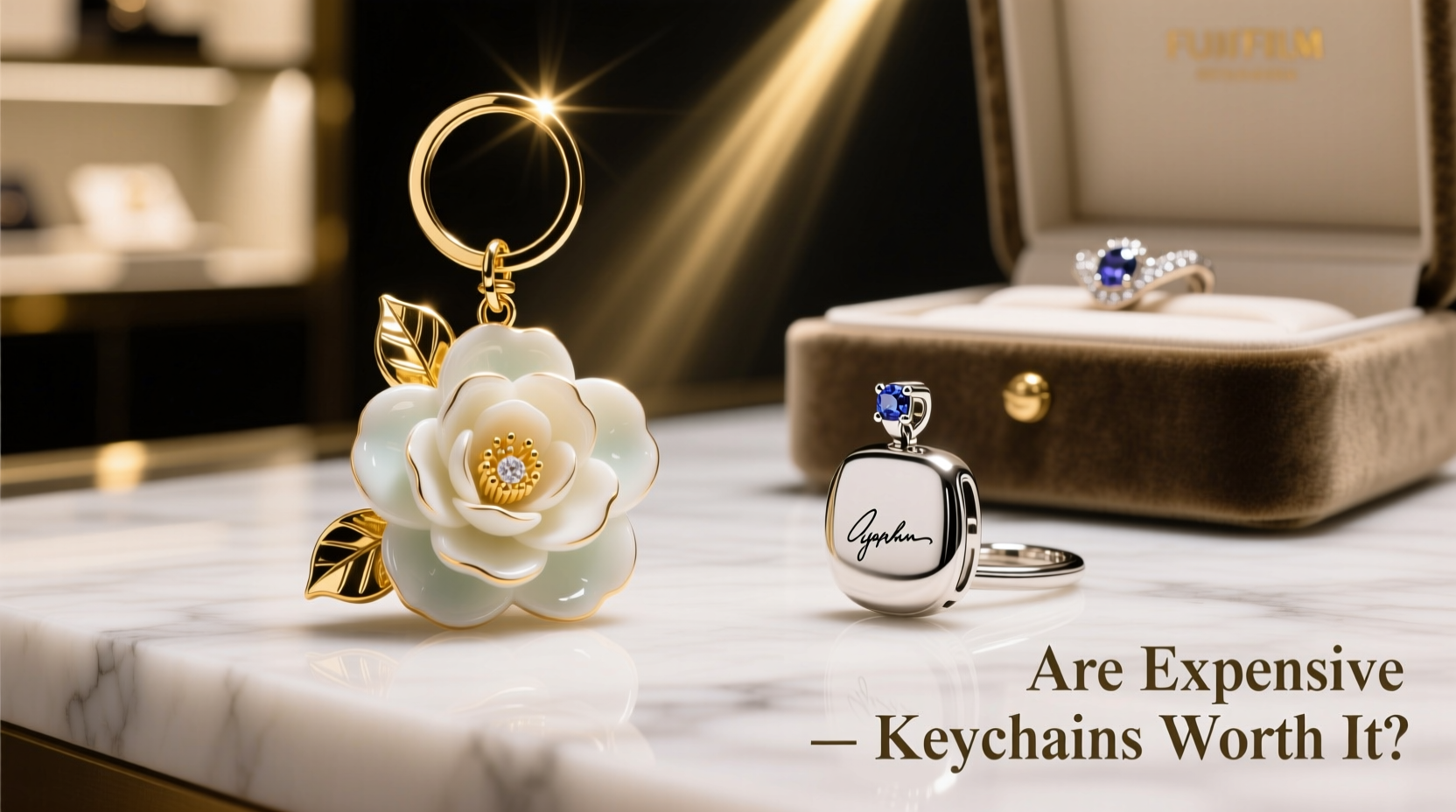
Luxury keychains have evolved from functional items into standalone fashion statements. The Camellia, in particular, is deeply rooted in Chanel’s heritage. Inspired by Coco Chanel’s favorite flower, it first appeared in jewelry designs in the 1930s and has since become a recurring motif across accessories. Today, a Camellia keychain isn’t just an add-on—it’s a curated expression of brand loyalty and aesthetic alignment.
Designer charms follow a similar narrative. Whether it’s a Gancini-shaped keyring from Bulgari or a monogrammed heart charm from Dior, these pieces serve as miniature billboards for brand identity. They’re designed to be seen—dangling from a top-handle bag, clipped to a zipper pull, or carried as a standalone pendant.
Camellia Keychain: Craftsmanship and Symbolism
The Camellia keychain, especially those produced by Chanel, exemplifies meticulous craftsmanship. Made from materials ranging from polished metal to resin with gold-tone finishes, each piece undergoes multiple stages of hand-finishing. The layered petals, symmetry, and subtle detailing reflect the same care applied to haute couture garments.
Beyond aesthetics, the Camellia carries symbolic weight. It represents purity, simplicity, and feminine strength—values Coco Chanel embodied. For many wearers, attaching one to a bag isn’t just decoration; it’s a personal connection to the brand’s legacy.
However, this symbolism comes at a cost. Authentic Chanel Camellia keychains retail between $250 and $400, depending on size and material. Unlike mass-produced alternatives, these are not easily replaced if lost and rarely go on sale due to brand exclusivity.
Designer Charms: Customization vs. Cost
While the Camellia follows a consistent design language, designer charms offer broader customization. Brands like Louis Vuitton allow customers to personalize keychains with initials, zodiac signs, or seasonal motifs. Gucci’s collection includes everything from vintage horsebits to cartoonish tigers, appealing to diverse tastes.
This flexibility increases perceived value—but also raises questions about longevity. A limited-edition LV charm featuring a seasonal print may feel exciting today but could appear dated in five years. In contrast, the timeless Camellia remains stylistically neutral across decades.
“Luxury accessories like keychains function as wearable heirlooms when chosen thoughtfully. Their value isn’t just monetary—it’s emotional.” — Marcus Lin, Fashion Historian & Curator at The Atelier Archive
Value Comparison: Functionality, Durability, Resale
To assess whether expensive keychains are worth it, we must evaluate them beyond aesthetics. Three key factors determine long-term value: functionality, durability, and resale potential.
| Feature | Camellia Keychain (Chanel) | Designer Charm (e.g., LV, Dior) |
|---|---|---|
| Price Range | $250–$400 | $180–$350 |
| Material Quality | Precious metal plating, hand-assembled | Mixed materials; some plastic elements |
| Durability | High—resists tarnishing with care | Variable—depends on finish and usage |
| Resale Value | Strong—often sells above retail secondhand | Moderate—limited editions hold value better |
| Brand Prestige | Iconic symbol with deep heritage | Trend-driven; varies by model |
As the table shows, Camellia keychains generally outperform most designer charms in durability and resale. Their consistent design ensures they remain desirable in the pre-owned market. In contrast, whimsical or seasonal charms may lose appeal quickly, limiting their long-term worth.
Real-World Example: Two Buyers, Two Outcomes
Consider two shoppers in 2020: Clara bought a classic Chanel Camellia keychain for $320 and attached it to her Classic Flap bag. She treated it as part of her investment wardrobe, storing it properly and avoiding exposure to moisture. By 2024, she decided to sell it separately while upgrading her bag. Despite four years of use, the keychain fetched $380 on a luxury consignment platform due to high demand and low supply.
Meanwhile, Julian purchased a limited-edition Gucci Zodiac Lion charm for $295. He loved it initially, but trends shifted, and the bold enamel design began to feel outdated. When he tried reselling it in 2023, he received offers around $110—less than 40% of retail. The charm had sentimental value but minimal market value.
This mini case study illustrates a crucial point: timelessness often trumps trendiness in luxury accessories.
How to Decide If a Luxury Keychain Is Worth It
Before investing in a high-end keychain or charm, ask yourself the following questions. Answering honestly can help avoid buyer’s remorse and ensure your purchase aligns with both taste and practicality.
- Do I love the design regardless of the brand logo?
- Will I still enjoy using it in 3+ years?
- Is it made with quality materials (metal, enamel, no visible glue seams)?
- Does it complement my existing bag collection?
- Am I buying it for joy, not just social validation?
If most answers are “yes,” the purchase is likely justified. If you’re mainly drawn by Instagram trends or peer influence, reconsider. True luxury lies in lasting appreciation, not fleeting attention.
Frequently Asked Questions
Can I use a Camellia keychain as a standalone accessory?
Absolutely. Many owners detach their Camellia keychains and wear them as necklace pendants or attach them to zippers, wallets, or even keys. Their compact size and elegant design make them versatile beyond handbag decor.
Are there affordable alternatives to designer charms?
Yes. Independent artisans on platforms like Etsy offer handcrafted floral or minimalist metal charms for $30–$80. While they lack brand prestige, many use solid brass, real enamel, and ethical production methods. For budget-conscious buyers, these provide aesthetic satisfaction without the markup.
Do luxury keychains increase the resale value of a bag?
Sometimes. Complete sets—including original dust bags, authenticity cards, and matching keychains—tend to sell faster and at higher prices. A well-matched Camellia keychain on a Chanel bag signals full ownership and care, which builds trust with buyers.
Final Verdict: Are Expensive Designer Charms Worth It?
The answer depends on intent. If you’re seeking a short-term style boost or a trendy gift, a designer charm from a major fashion house can be a fun, low-risk indulgence. However, if you're investing in longevity, craftsmanship, and enduring appeal, the Camellia keychain stands out as a superior choice.
It’s not merely about cost—it’s about curation. A $350 Camellia may seem extravagant next to a $20 keyring, but when viewed as a decade-long companion rather than a disposable accessory, its value becomes clearer. It represents heritage, precision, and emotional resonance—qualities that cheaper imitations can’t replicate.
That said, no accessory should be judged solely by price. The most “worthwhile” charm is the one you reach for daily, the one that brings a smile when you open your bag. Whether it’s a Camellia, a vintage locket, or a handmade token, meaning matters more than markup.




 浙公网安备
33010002000092号
浙公网安备
33010002000092号 浙B2-20120091-4
Comments
No comments yet. Why don't you start the discussion?