
In an age where technology integrates into nearly every aspect of our lives, the smart mirror has emerged as a curious addition to modern homes. Marketed as a fusion of functionality and futuristic design, these mirrors display weather forecasts, calendar alerts, fitness metrics, and even streaming video—all while reflecting your image. But beneath the sleek interface and glowing notifications lies a critical question: do smart mirrors genuinely enhance daily routines, or are they merely a flashy solution in search of a problem?
The answer isn't binary. For some, a smart mirror streamlines morning rituals and promotes mindfulness. For others, it’s an expensive novelty that gathers dust—literally and figuratively. To understand its real-world value, we need to examine how it fits into actual lifestyles, what problems it solves (or creates), and whether the investment aligns with long-term utility.
What Exactly Is a Smart Mirror?
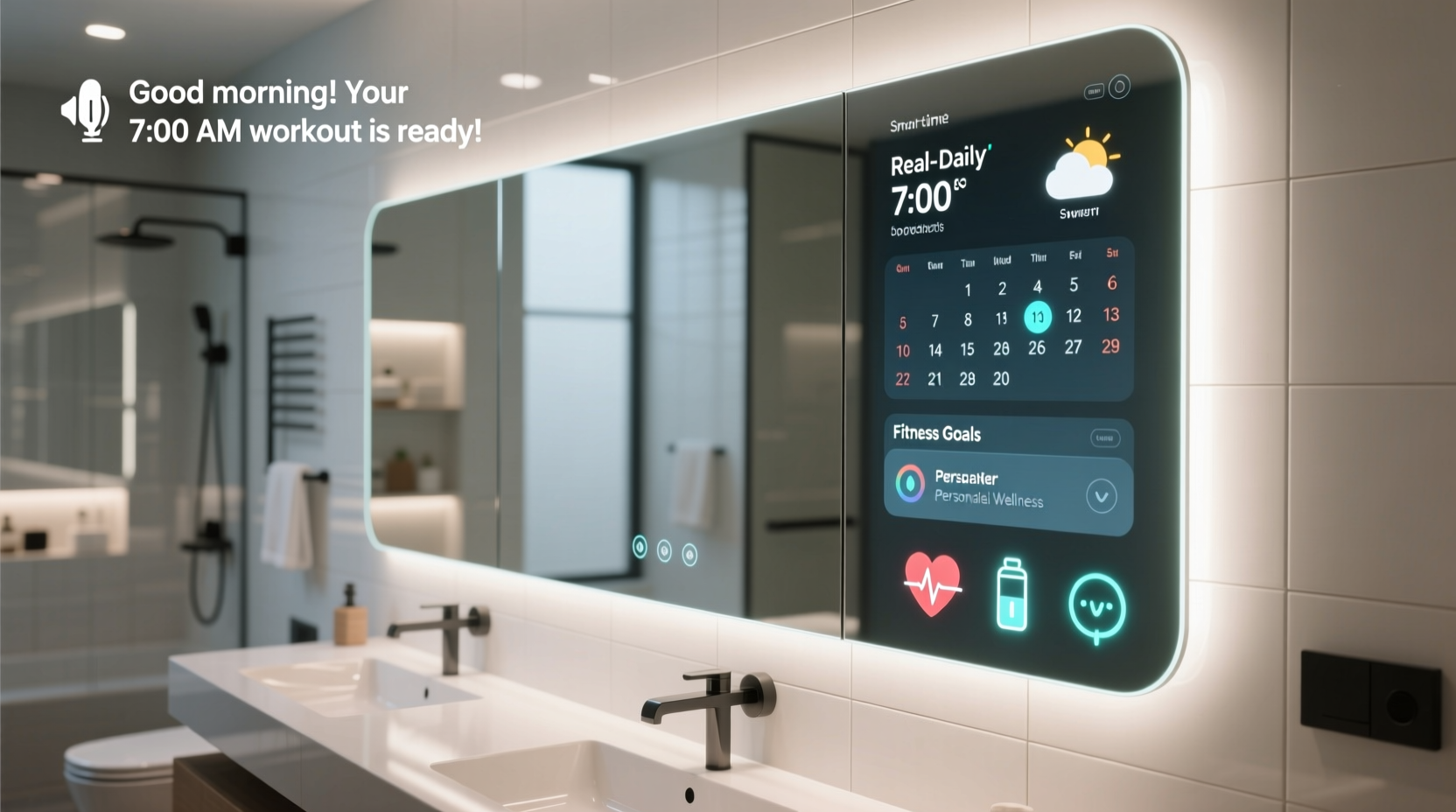
A smart mirror is typically a two-way glass with a display behind it, allowing information to be overlaid on the reflection. These devices run on embedded operating systems like Android or Linux and connect to Wi-Fi for data synchronization. Common features include voice assistants, Bluetooth connectivity, touch or gesture controls, and integration with smart home ecosystems such as Google Home or Amazon Alexa.
Unlike traditional screens, smart mirrors aim to blend seamlessly into environments like bathrooms, bedrooms, or workout areas. They promise hands-free access to digital tools without requiring users to pick up a phone or tablet. Some models offer health tracking via connected scales or wearables, while others support video calls, music playback, or augmented reality makeup try-ons.
Manufacturers position them as lifestyle enhancers—part personal assistant, part wellness hub. But convenience doesn’t always equate to necessity. The key is determining whether the features translate into meaningful improvements in time management, mental focus, or productivity.
Real Benefits: Where Smart Mirrors Add Value
For certain individuals and households, smart mirrors deliver tangible advantages. Their strength lies not in replacing existing tools but in consolidating them into a single, glanceable interface during high-frequency moments—especially mornings.
Streamlined Morning Preparation
Mornings are often chaotic. Checking the weather, reviewing the day’s schedule, and monitoring traffic can require multiple devices and distractions. A smart mirror centralizes this information in one place, reducing screen-switching and cognitive load.
- Daily agenda displayed as you brush your teeth
- Real-time traffic updates before leaving the house
- Weather-based outfit suggestions synced with wardrobe apps
This consolidation supports faster decision-making and reduces reliance on smartphones during transitional times. According to a 2023 user behavior study by the Consumer Technology Association, participants who used smart mirrors reported saving an average of 7–10 minutes per morning by minimizing device checks.
Fitness and Wellness Integration
Some advanced smart mirrors double as interactive fitness coaches. Models like Mirror (now Lumen) or Tonal use AI-powered motion tracking to guide workouts in real time. Users perform exercises in front of the mirror while receiving form corrections, reps countdowns, and motivational prompts.
These systems appeal to people who prefer at-home training but miss the feedback loop of in-person trainers. A mini case study illustrates this benefit:
Mini Case Study: Sarah, a 38-year-old project manager in Chicago, struggled to maintain consistency with gym visits due to her unpredictable work hours. After installing a smart fitness mirror in her spare bedroom, she began following guided 20-minute HIIT sessions three times a week. Within four months, she improved her core strength and reduced stress-related fatigue. “It feels like having a trainer who knows my pace,” she said. “And I don’t have to leave the house.”
Potential Drawbacks and Overhyped Expectations
Despite promising applications, smart mirrors face criticism for being underutilized, overly complex, or simply redundant. Many early adopters report diminishing returns after the initial novelty wears off.
Cost vs. Utility Gap
Entry-level smart mirrors start around $500, with premium fitness models exceeding $1,500—not including subscription fees for content or analytics. Compare that to a $20 wall calendar and a free weather app, and the value proposition weakens unless specific needs justify the expense.
Moreover, maintenance can be cumbersome. Touchscreens in humid bathrooms risk fogging or damage. Software updates may lag, and third-party app support is often limited compared to smartphones or tablets.
Privacy and Data Concerns
Smart mirrors equipped with cameras and microphones raise legitimate privacy questions. While manufacturers claim end-to-end encryption, any internet-connected device poses potential risks—from unauthorized access to unintended recordings.
Security expert Dr. Lena Patel warns:
“Any device with persistent sensors in private spaces should undergo rigorous scrutiny. Just because a mirror can listen doesn’t mean it should—especially in bedrooms or bathrooms.” — Dr. Lena Patel, Cybersecurity Researcher at MIT
Consumers must evaluate whether the convenience outweighs the exposure to data collection, particularly when alternatives exist without surveillance components.
Smart Mirror Use Cases That Work—And Those That Don’t
Not all applications of smart mirrors are equally effective. Below is a comparison of practical versus overreaching use cases based on user feedback and industry analysis.
| Use Case | Practicality | Why It Works (or Doesn’t) |
|---|---|---|
| Morning briefing (weather, news, calendar) | High | Reduces friction in starting the day; information is glanceable and contextual. |
| Fitness coaching with real-time feedback | High | Effective for users committed to home workouts; provides accountability and guidance. |
| Video conferencing | Low | Poor camera angles and audio quality make most mirrors suboptimal for calls. |
| Augmented reality makeup/virtual try-ons | Moderate | Niche appeal; requires precise lighting and calibration; rarely replaces physical testing. |
| Home automation control hub | Moderate | Convenient if already standing near the mirror; less useful otherwise. |
The takeaway? Success depends on alignment with routine behaviors. If you're already checking your phone five times each morning, a smart mirror might consolidate those actions. But if you're not in the habit of reviewing digital content during grooming, forcing the behavior won’t yield lasting benefits.
How to Decide If a Smart Mirror Is Right for You
Before investing, consider your goals, habits, and environment. Ask yourself the following questions:
- Do I spend consistent time in front of a mirror where digital info would help?
- Am I likely to use fitness or wellness features regularly?
- Is my space suitable for electronic devices (e.g., low humidity, stable power)?
- Can I integrate this with existing smart home tools?
- Am I comfortable with always-on sensors in private areas?
If most answers are \"yes,\" a smart mirror could be a worthwhile upgrade. Otherwise, simpler, lower-cost solutions may serve you better.
Step-by-Step Guide to Evaluating a Purchase
- Identify Your Primary Need: Are you seeking fitness support, productivity enhancement, or aesthetic appeal?
- Research Models by Category: Separate general-purpose mirrors from fitness-focused ones.
- Check Compatibility: Ensure it works with your current ecosystem (Google, Apple, Alexa).
- Read Long-Term Reviews: Look beyond launch hype; focus on users after 6+ months of use.
- Calculate Total Cost: Include hardware, installation, subscriptions, and potential repairs.
- Test Alternatives First: Try using a tablet mounted near your mirror to simulate the experience.
- Start Small: Consider a DIY version using a Raspberry Pi and semi-transparent glass before buying commercial models.
FAQ: Common Questions About Smart Mirrors
Are smart mirrors worth the price?
Only if they solve a specific, recurring problem in your routine. For general info display, a smartphone or smart speaker may offer similar benefits at a fraction of the cost. However, for dedicated fitness users, the immersive coaching experience can justify the investment.
Can I install a smart mirror myself?
Basic models designed for wall mounting can often be installed DIY, especially if they plug into standard outlets. However, units requiring hardwiring, moisture resistance, or structural modifications should be handled by professionals to avoid safety hazards.
Do smart mirrors work in poorly lit rooms?
Yes, most have adjustable brightness settings and ambient light sensors. However, excessive glare or backlighting can reduce readability. Optimal placement avoids direct light sources behind the viewer.
Conclusion: Functionality Over Flash
The smart mirror sits at the intersection of innovation and practicality—a device brimming with potential but vulnerable to overpromising. It’s neither universally essential nor entirely frivolous. Its true value emerges only when matched with intentional use and realistic expectations.
For busy professionals seeking smoother mornings, fitness enthusiasts wanting immersive training, or tech-savvy homeowners building integrated living spaces, a smart mirror can become a meaningful tool. For everyone else, it risks becoming another shelf ornament disguised as progress.
Technology should serve life, not complicate it. Before adding a smart mirror to your cart, ask: does this simplify my day, or just add another screen to manage? If the answer leans toward simplification, proceed with research and caution. If not, embrace the quiet efficiency of analog alternatives.




 浙公网安备
33010002000092号
浙公网安备
33010002000092号 浙B2-20120091-4
Comments
No comments yet. Why don't you start the discussion?