
As holiday traditions evolve, many households now blend seasonal décor with wellness rituals—placing essential oil diffusers near artificial Christmas trees to create a festive atmosphere. While the scent of pine, cinnamon, or citrus can enhance the holiday mood, there’s growing concern about whether these aromatic vapors could harm synthetic tree materials. The answer isn’t always straightforward, but understanding the chemistry behind essential oils and the composition of artificial trees reveals important risks and precautions.
Artificial Christmas trees are typically made from polyvinyl chloride (PVC), polyethylene (PE), or a blend of plastics designed to mimic real foliage. These materials are durable under normal conditions but can degrade when exposed to certain chemicals over time. Essential oils, while natural, are highly concentrated organic compounds that possess solvent-like properties. When dispersed into the air via ultrasonic or nebulizing diffusers, these microscopic oil particles settle on nearby surfaces—including tree branches—and may initiate slow deterioration.
How Essential Oils Interact with Artificial Tree Materials
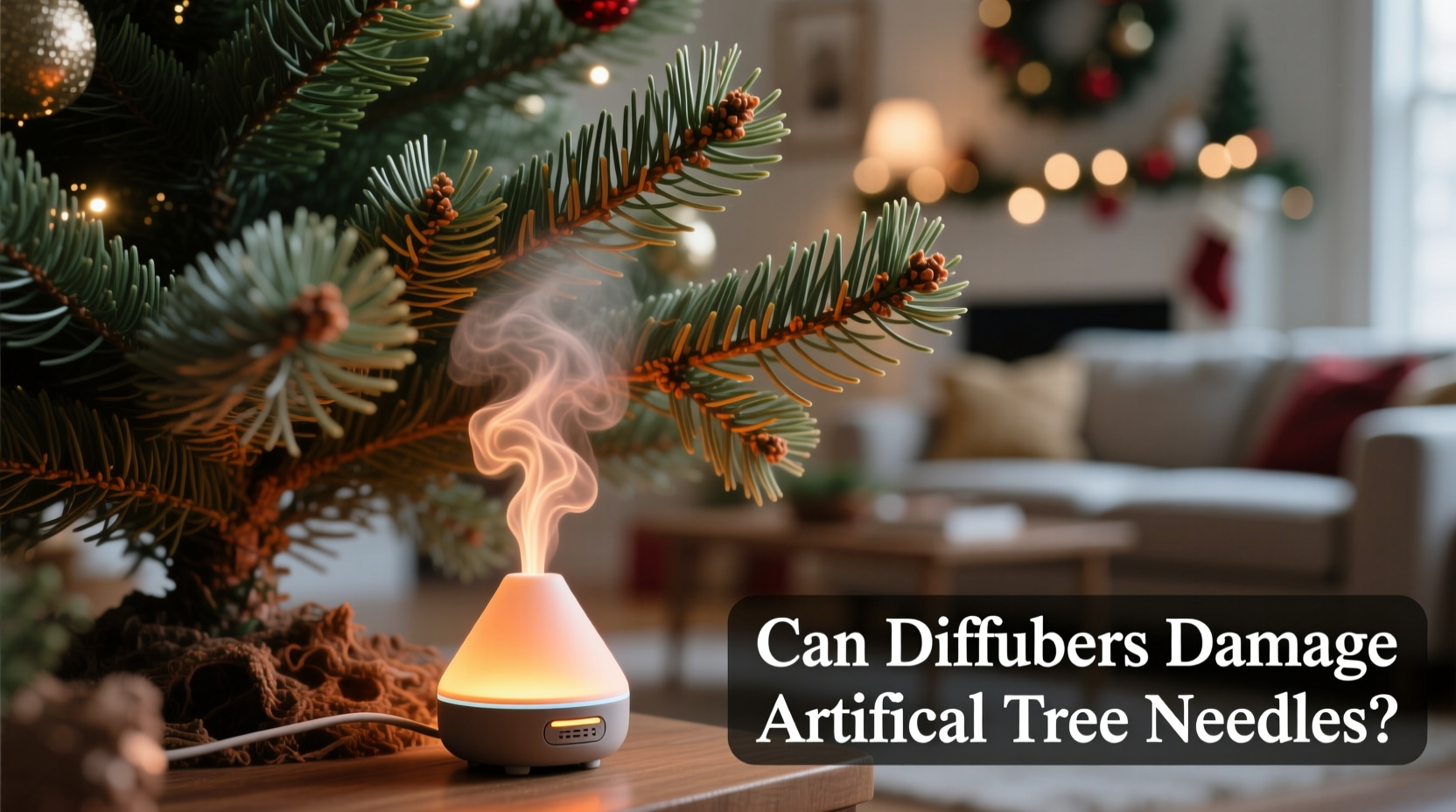
Essential oils such as citrus (lemon, orange, grapefruit), eucalyptus, tea tree, and peppermint contain terpenes—volatile hydrocarbons known for their strong aroma and cleaning power. In household cleaners, terpenes break down grease and grime by dissolving oils and resins. Unfortunately, this same property makes them potentially damaging to plastic polymers used in artificial trees.
When diffused in close proximity, these airborne terpenes can accumulate on needle surfaces. Over days or weeks, repeated exposure may lead to:
- Embrittlement of plastic needles
- Fading or discoloration of green pigments
- Loss of flexibility, increasing breakage risk
- Surface stickiness due to residual oil buildup
A study published in the Journal of Polymer Degradation and Stability noted that prolonged contact with limonene—a common component in citrus oils—accelerated oxidative degradation in PVC samples, leading to visible cracking and yellowing. Although the study didn’t focus on Christmas trees specifically, its findings support concerns about long-term exposure in home environments.
Factors That Influence Damage Risk
Not all diffuser setups pose equal threats. Several variables determine whether essential oils will compromise your artificial tree:
Proximity
The closer the diffuser is to the tree, the higher the concentration of oil particles contacting the needles. Within three feet, deposition rates increase significantly. Trees placed directly beside humidifiers or diffusers show signs of wear faster than those across the room.
Diffusion Method
Ultrasonic diffusers release a fine mist combining water and oil droplets, which can settle more heavily on nearby objects. Nebulizing diffusers atomize pure essential oil without water, producing a drier vapor—but still disperse concentrated compounds into the air. Heat diffusers generally emit less residue but may alter oil chemistry in ways that increase reactivity.
Duration and Frequency
Occasional use (e.g., two hours once a week) poses minimal risk. However, continuous diffusion throughout the holiday season—especially in small or poorly ventilated rooms—amplifies cumulative exposure. Daily eight-hour diffusion cycles over several weeks have been linked to measurable surface changes in plastic decor items.
Tree Quality and Age
Newer, higher-grade artificial trees often include UV stabilizers and protective coatings that resist chemical breakdown. Older trees, particularly those stored in attics or garages, may already have micro-cracks or oxidized surfaces, making them more vulnerable to further degradation.
“Just because something is ‘natural’ doesn’t mean it’s inert. Essential oils are biologically active compounds—they’re designed to penetrate cell membranes. It’s not surprising they interact with synthetic materials too.” — Dr. Lena Patel, Environmental Chemist at Green Home Labs
Real-World Example: A Family’s Holiday Surprise
In suburban Ohio, the Reynolds family began using a lavender-orange essential oil blend in their living room diffuser during the 2022 holidays. They placed the unit just 18 inches from their six-year-old artificial tree to maximize fragrance dispersion. By mid-January, they noticed an unusual dullness in the tree’s color and a faint oily sheen on lower branches. When taking the tree down, several sections crumbled easily upon handling.
They contacted the manufacturer, who confirmed that citrus oils could contribute to polymer degradation. A lab analysis of swab samples from the tree detected trace amounts of d-limonene embedded in the plastic matrix—evidence of absorption through repeated airborne exposure. Though the tree wasn’t declared hazardous, the company advised against placing diffusers so close in the future.
This case illustrates how seemingly harmless habits can have unintended consequences when chemistry meets décor.
Do’s and Don’ts: Protecting Your Artificial Tree
| Action | Recommended? | Reason |
|---|---|---|
| Place diffuser within 3 feet of tree | No | High risk of oil accumulation and material stress |
| Use non-citrus oils like lavender or sandalwood | Limited use only | Lower terpene content reduces—but doesn’t eliminate—risk |
| Run diffuser for 1–2 hours daily | Yes, with distance | Short bursts minimize buildup |
| Position diffuser across the room | Yes | Air circulation dilutes oil concentration before reaching tree |
| Clean tree after season with alcohol wipes | No | Alcohol and solvents accelerate plastic aging |
| Vacuum tree gently before storage | Yes | Removes dust and any residual oil films |
Step-by-Step Guide to Safe Diffuser Placement
- Assess Room Layout: Identify where your artificial tree is located and measure available space. Note airflow patterns—doors, vents, and windows affect dispersion.
- Choose a Distant Location: Place the diffuser at least 6–8 feet away from the tree, preferably in another part of the room or adjacent space (e.g., hallway).
- Select Low-Risk Oils: Opt for essential oils low in monoterpenes, such as frankincense, vanilla absolute, or chamomile. Avoid blends containing lemon, bergamot, or pine unless used sparingly.
- Limit Runtime: Use intermittent settings—diffuse for 30–60 minutes, then pause for 2–3 hours. Never run continuously overnight or all day.
- Monitor for Changes: Weekly, inspect tree branches for glossiness, brittleness, or discoloration. If changes appear, discontinue nearby diffusion immediately.
- Clean Surfaces Nearby: Wipe shelves or furniture near the diffuser regularly to prevent oil buildup, which can off-gas and indirectly affect the tree.
- Store Tree Properly Post-Holiday: After takedown, allow the tree to air out in a dry, well-ventilated area for 24 hours before packing. This helps evaporate any absorbed volatiles.
Alternative Aromatherapy Solutions for Festive Scents
If you love holiday fragrances but want to protect your artificial tree, consider safer alternatives:
- Scented Candles (Used Safely): Choose soy or beeswax candles in stable holders, placed far from flammable materials. Always supervise burning.
- Baking Simmer Pots: Boil orange slices, cinnamon sticks, and cloves on the stove for short periods. Produces rich aroma without airborne oils affecting distant objects.
- Natural Reed Diffusers: These release fragrance slowly and stay localized. Keep them away from the tree and electronics.
- Fabric Sachets: Fill cotton pouches with dried herbs or wood chips infused with safe levels of essential oils. Place in drawers or near seating areas.
These methods deliver warmth and nostalgia without risking damage to synthetic foliage.
Frequently Asked Questions
Can I use any essential oil safely near my artificial tree?
No essential oil is completely risk-free when diffused nearby, but some are less harmful than others. Oils high in sesquiterpenes (like patchouli or vetiver) or phenolic compounds (like clove bud) tend to be less aggressive toward plastics than monoterpene-rich oils like lemon or pine. Still, distance and moderation remain key.
Will one week of diffusion cause noticeable damage?
Unlikely, especially if the diffuser is more than five feet away and used intermittently. However, repeated annual exposure—even in short bursts—can lead to cumulative degradation over 3–5 years. Think of it as slow wear, similar to sunlight fading curtains.
Are real Christmas trees safer with diffusers?
In some ways, yes. Real trees are composed of organic matter that naturally interacts with volatile compounds. However, excessive moisture from ultrasonic diffusers can promote mold growth in real trees, especially indoors. Also, pets or children may be more sensitive to concentrated scents around live plants. Safety depends on context, not just material type.
Protecting Your Investment: Long-Term Tree Care Tips
An artificial Christmas tree is a long-term investment—many families keep theirs for a decade or more. To preserve appearance and structural integrity, integrate these habits:
- Always assemble and disassemble carefully to avoid mechanical stress.
- Store in a breathable, labeled tree bag—not plastic—which prevents condensation and mildew.
- Keep in a climate-stable location; extreme heat or cold accelerates plastic fatigue.
- Dust annually with a microfiber cloth or soft brush vacuum attachment.
- Avoid storing near laundry rooms or bathrooms where humidity and cleaning fumes fluctuate.
Treating your tree as both décor and functional object ensures lasting enjoyment.
Final Recommendations and Checklist
While diffusers add ambiance, balancing sensory pleasure with preservation is essential. Follow this checklist each holiday season:
- ✅ Position diffuser at least 6 feet from artificial tree
- ✅ Avoid citrus, pine, and eucalyptus oils near synthetic foliage
- ✅ Limit diffusion to 1–2 hours per day maximum
- ✅ Inspect tree weekly for gloss, stickiness, or brittleness
- ✅ Use passive scenting methods when possible
- ✅ Allow tree to air out before storing post-season
- ✅ Clean diffuser regularly to prevent clogs and uneven output
Conclusion: Enjoy the Holidays Without Compromise
The joy of the holiday season lies in creating meaningful traditions—whether through lights, music, food, or fragrance. But preserving cherished décor should be part of that experience too. By understanding how essential oil diffusers interact with artificial materials, you can make informed choices that protect your tree while still enjoying festive scents.
Small adjustments—like moving a diffuser a few extra feet or choosing gentler oils—can prevent long-term damage and extend your tree’s life for many Christmases to come. Thoughtful care today means fewer replacements, less waste, and more memories made with the same familiar centerpiece year after year.




 浙公网安备
33010002000092号
浙公网安备
33010002000092号 浙B2-20120091-4
Comments
No comments yet. Why don't you start the discussion?