
Mixing laundry detergents might seem like a practical solution when you're running low on one or want to combine the strengths of two formulas. Perhaps you have a high-efficiency (HE) detergent in one bottle and a stain-fighting liquid in another. Or maybe you’re trying to stretch your supply by blending brands. But is it safe—and effective—to mix different laundry detergents in the same wash cycle?
The short answer: generally not recommended. While mixing detergents may not always cause immediate harm, doing so introduces unpredictable chemical interactions, reduces cleaning efficiency, and can damage fabrics or appliances over time. This article dives into the science behind detergent chemistry, outlines real-world consequences, and provides clear guidance on when—and if—it’s ever acceptable to blend products.
Understanding Detergent Chemistry
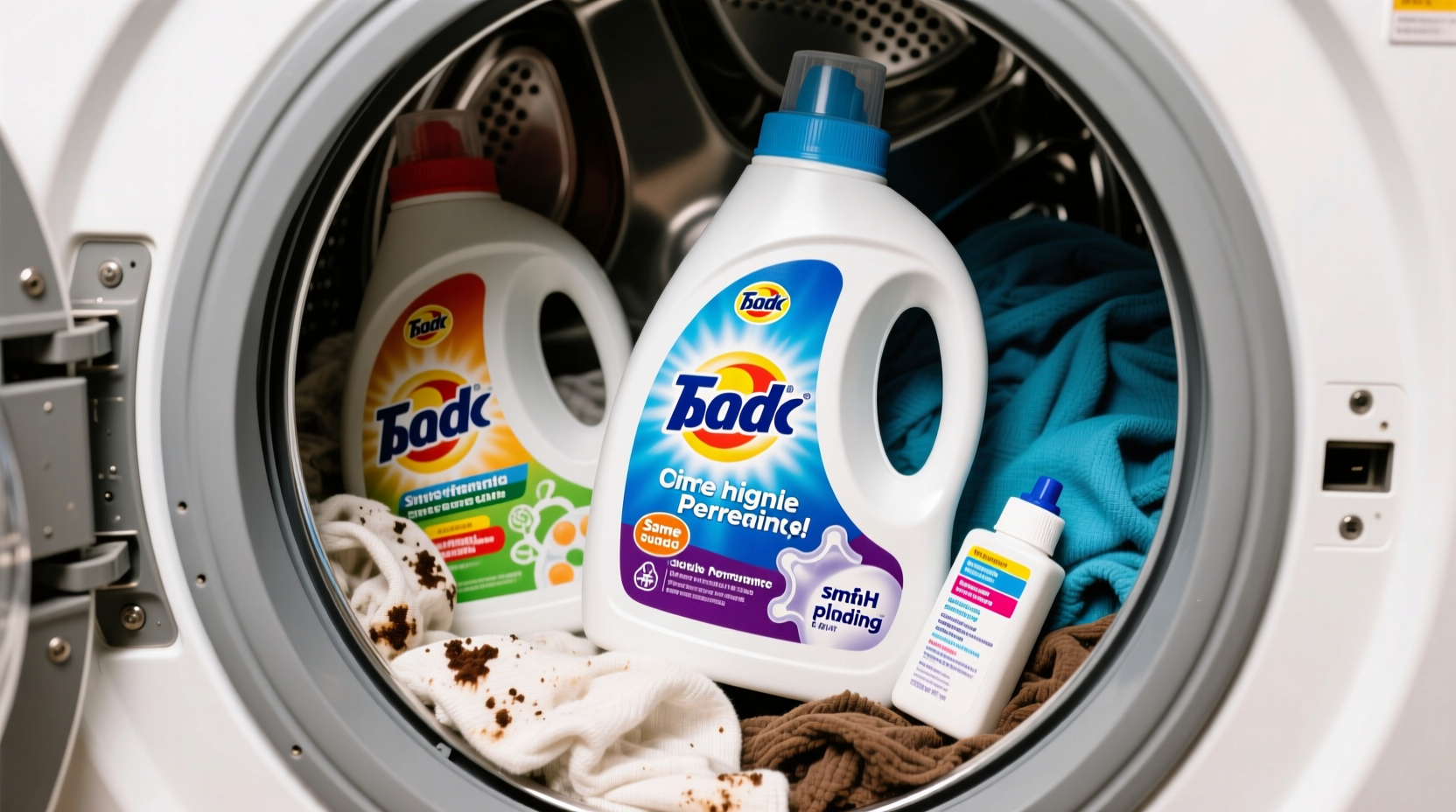
Laundry detergents are complex formulations designed with specific surfactants, enzymes, builders, fragrances, and pH levels. Each component plays a role in removing dirt, oils, and odors while protecting fabric integrity. When manufacturers design a detergent, they balance these ingredients carefully to ensure stability, performance, and safety across various water conditions and machine types.
Surfactants lower water's surface tension to help lift stains. Enzymes like protease and amylase target protein and starch-based soils. Builders such as sodium carbonate adjust water hardness. Many modern detergents also include optical brighteners and anti-redeposition agents that keep loosened dirt from resettling on clothes.
When two different detergents are combined, their active ingredients may interact in ways that reduce effectiveness. For example:
- A highly alkaline powder mixed with an acidic liquid formula could neutralize cleaning power.
- Enzymes from one product may be deactivated by preservatives or stabilizers in another.
- Fragrance compounds might react and produce off-odors or skin irritants.
Moreover, concentrated formulas—especially HE detergents—are calibrated for precise dosing. Adding extra chemicals through mixing increases the risk of oversudsing, residue buildup, and poor rinsing.
“Detergents are engineered systems. Introducing foreign components—even other 'safe' detergents—can disrupt formulation integrity and lead to diminished results.” — Dr. Linda Reeves, Textile Chemist at the American Cleaning Institute
When Mixing Might Seem Tempting (And Why It’s Still Risky)
Despite the warnings, many people consider mixing detergents for perceived benefits. Let’s examine common scenarios and why they often backfire.
Combining Stain Fighters with Regular Detergent
Some believe adding a heavy-duty liquid to a mild detergent will boost stain removal. In reality, most premium detergents already contain optimized enzyme blends. Overloading the wash with multiple enzyme sources doesn’t improve performance—it can leave residues that attract more soil later.
Using Powder and Liquid Together
A popular myth suggests using both powder and liquid ensures better cleaning: powder for whitening, liquid for greasy stains. However, powders often contain bleach activators or percarbonate, which can break down liquid surfactants. The result? Reduced foam stability, incomplete dissolution, and potential clogging in dispensers.
Stretching Supplies During Shortages
In times of scarcity or budget constraints, users dilute or blend half-empty bottles. But inconsistent concentrations mean unreliable cleaning. Under-dosing leads to dingy clothes; overdosing causes residue and irritation.
Potential Risks of Mixing Laundry Detergents
Beyond reduced cleaning power, combining detergents poses several tangible risks:
- Chemical Reactions: Some ingredients, especially oxidizing agents like bleach or hydrogen peroxide, can react dangerously with certain surfactants or fragrances, producing heat or fumes (rare but possible in extreme cases).
- Residue Buildup: Incomplete rinsing due to excess suds or incompatible formulations leaves detergent trapped in fibers. This attracts dirt, stiffens fabrics, and may trigger skin allergies.
- Machine Damage: High-sudsing combinations can overwhelm HE machines, leading to error codes, drainage issues, or long-term wear on pumps and seals.
- Color Fading: Alkaline shifts from mixing products can accelerate dye degradation, particularly in dark or bright garments.
- Warranty Voidance: Many washer manufacturers warn against using unapproved or mixed cleaning agents, which could void service coverage if damage occurs.
Real Example: A Household Experiment Gone Wrong
Sarah from Portland tried mixing her plant-based liquid detergent with a store-brand powder because she believed the powder would “boost freshness.” After three weeks, her towels felt scratchy, her whites looked gray, and her front-loader began displaying a \"SUDS\" error. A technician found soap scum buildup in the drum seal and pump filter. The repair cost $120, and Sarah now follows strict single-detergent use.
This case illustrates how small compromises can lead to costly outcomes—not just for clothes, but for appliances too.
Safe Alternatives to Mixing Detergents
If your goal is enhanced cleaning, odor control, or fabric softness, safer and more effective alternatives exist.
Use Additives Designed to Work With Detergents
Rather than mixing full-strength detergents, use compatible boosters:
- Oxygen-based bleach (e.g., OxiClean): Enhances stain removal without damaging most fabrics.
- Vinegar (in rinse cycle only): Softens water and reduces static—but never mix directly with detergent.
- Baking soda: Neutralizes odors and boosts detergent alkalinity slightly.
- Wool dryer balls: Reduce drying time and soften fabrics naturally.
These additives are formulated to complement—not conflict with—standard detergents.
Rotate Products by Load Type
Instead of mixing, use different detergents for different loads:
- Use a sport-specific formula for workout gear.
- Switch to a baby-safe detergent for children’s clothing.
- Choose a wool/hand-wash formula for delicates.
This targeted approach maximizes performance without risking chemical incompatibility.
Follow Manufacturer Instructions
Always read labels. Many detergents specify whether they’re safe for HE machines, septic systems, or sensitive skin. Combining products invalidates these assurances.
“One detergent per load is our standard recommendation. If customers need additional cleaning power, we suggest upgrading the product—not doubling up.” — Consumer Care Team, Tide Product Support
Step-by-Step Guide: How to Choose and Use One Effective Detergent
If you're unsure which detergent to stick with, follow this decision process:
- Assess your water type: Hard water requires detergents with strong water softeners. Look for terms like “hard water formula” or “built-in water softener.”
- Identify your primary laundry challenge: Is it stains, odors, brightness, or fabric care? Match the detergent to your top priority.
- Check machine compatibility: Front-loaders require low-suds HE detergents. Top-loaders offer more flexibility.
- Test one product thoroughly: Use it for 3–5 full loads under normal conditions. Evaluate results on cleanliness, scent, and fabric feel.
- Adjust dosage based on soil level: Most people overuse detergent. Start with the minimum recommended amount and increase only if needed.
- Monitor long-term effects: Watch for residue, fading, or machine alerts over time.
Once you find a reliable match, stick with it consistently. Frequent switching or blending undermines confidence in any single product’s performance.
Do’s and Don’ts: Mixing Laundry Detergents
| Do | Don’t |
|---|---|
| Use one detergent per load | Mix powder and liquid detergents |
| Add booster products separately (e.g., OxiClean) | Combine bleach-containing and enzyme-heavy detergents |
| Pre-treat stains with spot removers | Pour two full doses from different bottles into the dispenser |
| Follow dosage instructions based on load size and soil | Assume all detergents are chemically compatible |
| Store detergents properly to maintain stability | Mix expired or separated products hoping to revive them |
Frequently Asked Questions
Can I mix fragrance-free and scented detergents to make my clothes smell better?
No. Mixing fragrance types can create unpredictable scents—sometimes unpleasant or overpowering. More importantly, added fragrance load increases the risk of skin sensitivity. If you want more scent, use a dryer sheet or add a few drops of essential oil to a wool ball instead.
Is it safe to use liquid detergent in the main compartment and powder in the pre-wash tray?
This is less risky than direct mixing, but still not ideal. Powders may not fully dissolve in cold pre-wash cycles, leading to grit retention. If you must use both, run a hot water cycle occasionally to clean the dispenser and prevent clogs. Better yet, choose one format and stick with it.
What should I do if I accidentally mixed two detergents?
If it was a one-time mistake, monitor the wash cycle. If excessive suds appear, pause the machine and run an extra rinse cycle. Inspect clothes afterward for residue or stiffness. Clean the detergent drawer and door seal afterward to remove buildup. No lasting damage usually occurs from a single incident.
Conclusion: Stick to One Formula for Better Results
Mixing different laundry detergents in the same load is neither necessary nor advisable. Modern detergents are advanced enough to handle most household needs without supplementation. Blending products introduces chemical uncertainty, reduces cleaning efficiency, and risks damage to clothes and machines.
The path to cleaner, longer-lasting laundry isn’t complexity—it’s consistency. Choose a high-quality detergent suited to your water, machine, and fabric needs. Use it correctly. Supplement wisely with approved additives when necessary. And resist the urge to experiment with incompatible formulas.




 浙公网安备
33010002000092号
浙公网安备
33010002000092号 浙B2-20120091-4
Comments
No comments yet. Why don't you start the discussion?