
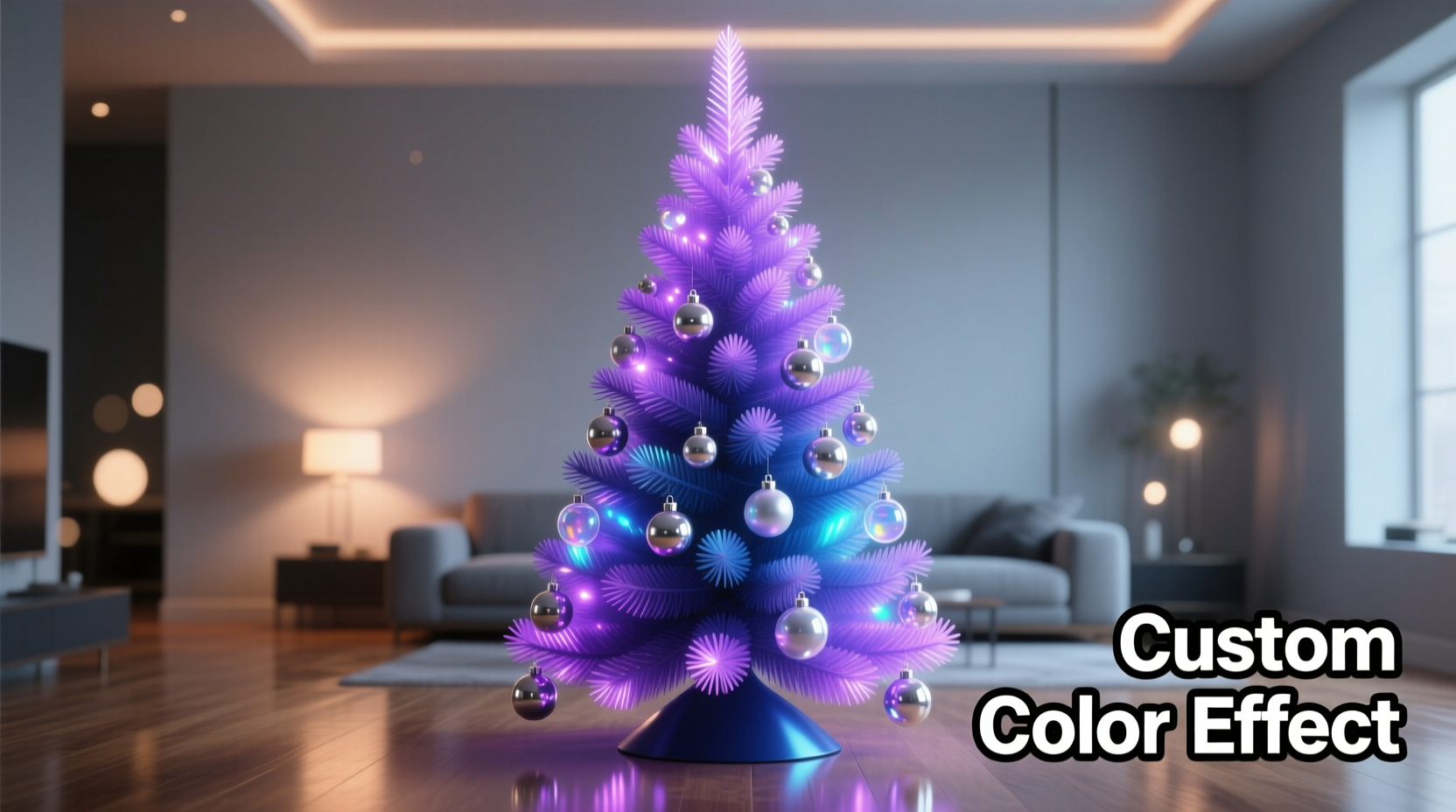
Artificial Christmas trees have long been the go-to choice for holiday decorators seeking convenience, reusability, and consistent appearance year after year. But what if you want something more unique than forest green? Whether you're aiming for a wintry silver frost, a bold burgundy centerpiece, or an ethereal lavender glow, painting an artificial Christmas tree opens up a world of creative possibilities. The answer is yes — you can absolutely paint an artificial Christmas tree for a custom color effect — but doing it successfully requires careful planning, the right materials, and proper technique.
This guide dives deep into the practicalities, risks, and rewards of transforming your artificial tree through paint. From selecting compatible paints to avoiding common pitfalls, you'll learn everything needed to achieve a professional-looking result that stands out under the lights.
Understanding Artificial Tree Materials
Before any paint touches a branch, it's essential to understand what your tree is made of. Most artificial trees are constructed from one or a combination of three primary materials: PVC (polyvinyl chloride), PE (polyethylene), or metal wire frames. Each reacts differently to paint, solvents, and moisture.
- PVC Trees: These are the most common and typically feature flat, needle-like fronds attached to a central wire stem. PVC is non-porous and slick, making adhesion difficult without proper surface preparation.
- PE Trees: Polyethylene branches mimic real tree textures more closely and often feel stiffer and more realistic. While slightly more receptive to paint than PVC, they still require priming for lasting results.
- Metal Components: The trunk and internal armature are usually steel or aluminum. These can rust if exposed to moisture during painting, so protection is crucial.
Painting over incompatible surfaces can lead to flaking, discoloration, or even degradation of the plastic over time. Always test on a small, hidden section first.
Choosing the Right Paint and Tools
Not all paints are suitable for plastic foliage. Standard house paints or craft acrylics may crack, peel, or weigh down delicate branches. The goal is to apply a thin, flexible coating that bonds securely without altering the texture too drastically.
The best options include:
- Spray Paint Designed for Plastics: Brands like Krylon Fusion for Plastic or Rust-Oleum Specialty Plastic Primer + Paint adhere well and dry quickly. They’re formulated with resins that grip low-surface-energy plastics.
- Fabric Spray Paint: Though less common, fabric spray paints (such as those used for upholstery) offer flexibility and soft finish — ideal for mimicking snow-dusted or ombre effects.
- Acrylic Airbrush Paint (Thinned): For fine control and gradient effects, airbrush systems with water-thinned acrylics allow subtle layering without buildup.
Avoid oil-based paints unless using a dedicated plastic primer — they take longer to dry, emit strong fumes, and may warp PVC with prolonged exposure.
“Spray paints engineered for plastics create a molecular bond rather than just sitting on the surface. That’s critical when dealing with flexible, moving materials like tree branches.” — Dana Reeves, Industrial Coatings Consultant
Essential Tools and Supplies
| Item | Purpose | Recommended Brand/Type |
|---|---|---|
| Plastic-safe spray paint | Primary coloring agent | Krylon Fusion for Plastic, Rust-Oleum Painter’s Touch 2X |
| Plastic primer (optional) | Improves adhesion on smooth PVC | Scuff ‘n’ Spray by Krylon |
| Drop cloths or plastic sheeting | Protects floor and surroundings | Heavy-duty painter’s plastic |
| Respirator mask | Filters harmful VOCs | N95-rated or better with organic vapor cartridge |
| Gloves | Protects skin from chemicals | Nitrile gloves |
| Soft-bristle brush (optional) | For touch-ups or blending | Foam brush or makeup sponge |
Step-by-Step Guide to Painting an Artificial Christmas Tree
Transforming your tree isn’t just about spraying color — it’s about process, patience, and precision. Follow this timeline to ensure durability and visual appeal.
- Disassemble the Tree: Remove all ornaments, lights, and treetop. If your tree has sectional branches, consider removing them individually for easier access and more even coverage.
- Clean Thoroughly: Wipe down each branch with a damp cloth and mild dish soap to remove dust and manufacturing residue. Let dry completely — moisture trapped under paint causes bubbling.
- Prepare Your Workspace: Work outdoors or in a well-ventilated garage. Lay down multiple layers of drop cloth. Elevate the tree base on blocks or a stand to allow airflow underneath.
- Apply Primer (if needed): For PVC-heavy trees, apply a light coat of plastic primer. Hold the can 10–12 inches away and use sweeping motions. Let dry per manufacturer’s instructions (usually 15–30 minutes).
- Test First: Spray a few hidden branches to check adhesion, drying time, and final appearance. Observe overnight for peeling or brittleness.
- Begin Painting: Start at the top and work downward. Apply thin, even coats — never saturate the branches. Two to three light layers are better than one heavy one. Allow 20–30 minutes between coats.
- Focus on Coverage, Not Opacity: You don’t need full color blockout unless going for a dramatic shift (e.g., green to black). For subtle effects like frosted tips or vintage washes, lighter applications work best.
- Let Cure Fully: After the final coat, let the tree sit undisturbed for at least 24 hours. Avoid touching or packing until fully hardened.
- Reassemble Carefully: Once cured, reattach branches gently. Test string lights before decorating — some painted surfaces may retain static or affect conductivity.
Creative Customization Ideas and Real Examples
Painting isn’t just about changing color — it’s a design opportunity. Consider these real-world applications:
Mini Case Study: The Frosted Silver Tree
Jamie L., a DIY decorator from Portland, wanted a winter wonderland theme without shedding fake snow everywhere. She purchased a mid-sized pre-lit artificial tree and decided to paint only the outermost third of each branch tip with metallic silver spray paint. Using a back-and-forth motion from about 18 inches away, she created a natural-looking frost effect. The result? A shimmering centerpiece that caught the LED lights beautifully — and stayed clean throughout the season. No glitter, no mess, no flaking after six months in storage.
Popular Color Effects Achievable Through Painting
- Ombre Fade: Blend two colors (e.g., deep green fading into gold) by gradually increasing the second color toward the tips.
- Rustic Wash: Dilute brown or gray acrylic spray with water for a weathered, antique look.
- Two-Tone Drama: Paint inner branches charcoal and outer ones white for depth and contrast.
- Glitter Accent: After painting, lightly mist areas with adhesive and dust with fine micro-glitter for sparkle without bulk.
These techniques preserve the tree’s structure while adding artistic flair. The key is restraint — over-painting kills realism.
Do’s and Don’ts: What to Avoid When Painting Artificial Trees
Even experienced crafters make mistakes when tackling unconventional projects. Here’s a summary of proven best practices versus common errors.
| Do | Don’t |
|---|---|
| Use paint specifically labeled for plastics | Use regular wall paint or heavy enamel |
| Work in thin, even layers | Saturate branches until dripping |
| Allow full curing time before handling | Touch or pack the tree too soon |
| Wear protective gear (mask, gloves) | Paint indoors without ventilation |
| Store painted tree covered in a breathable bag | Leave exposed to sunlight or humidity |
| Test on a small area first | Assume all artificial trees react the same |
One frequent issue is paint buildup at branch joints, which can cause stiffness or breakage. To prevent this, angle the nozzle to avoid pooling and shake excess overspray off lightly after each pass.
FAQ: Common Questions About Painting Artificial Trees
Will painting void my tree’s warranty?
Most manufacturers do not cover modifications like painting. Check your product manual, but assume that cosmetic alterations are at your own risk. However, many users report no issues with functionality post-painting, especially when using compatible products.
Can I paint a pre-lit tree without damaging the lights?
Yes, but with caution. Ensure all lights are unplugged and cool. Avoid spraying directly onto bulbs, sockets, or wire connections. If possible, cover lower sections with plastic wrap during application. After painting, inspect each bulb and test the strand before full decoration.
How long will the paint last on an artificial tree?
With proper application and storage, paint can last 3–5 years or more. Exposure to heat, direct sunlight, or rough handling accelerates wear. Store the tree in a climate-controlled space inside a breathable storage bag — never sealed plastic, which traps moisture and promotes peeling.
Checklist: Preparing to Paint Your Artificial Christmas Tree
- ☐ Choose a safe, ventilated workspace (garage or outdoors)
- ☐ Gather supplies: plastic-safe spray paint, primer (optional), drop cloth, gloves, respirator
- ☐ Disassemble tree and remove decorations and lights
- ☐ Clean branches with mild soap and water; let dry completely
- ☐ Test paint on a hidden section overnight
- ☐ Protect nearby surfaces and flooring
- ☐ Plan your color scheme and coverage level (full, partial, or accent)
- ☐ Set up a rotating base or stand for easy access
- ☐ Schedule at least 24 hours for drying and curing
- ☐ Label sections if disassembled for easier reassembly
Conclusion: Embrace Creative Transformation
Painting an artificial Christmas tree is not just feasible — it’s a powerful way to personalize your holiday decor beyond off-the-shelf limitations. With the right materials, safety precautions, and attention to detail, you can achieve stunning, durable results that reflect your unique style. Whether you're crafting a moody noir tree in matte black, a whimsical pastel fantasy, or a softly frosted evergreen, the process invites creativity and craftsmanship into seasonal tradition.
The transformation begins with a single spray — but its impact lasts through memories, photos, and conversations around the tree. Don’t settle for ordinary when a little innovation can make your holidays extraordinary.




 浙公网安备
33010002000092号
浙公网安备
33010002000092号 浙B2-20120091-4
Comments
No comments yet. Why don't you start the discussion?