
Transforming plain white or colored Christmas lights into personalized holiday decor is a tempting DIY project. Painting bulbs offers the promise of unique color palettes, matching seasonal themes, or adding artistic flair to your display. But before you reach for that bottle of craft paint, there’s a critical question: can you do it safely? The answer isn’t a simple yes or no—it depends on the type of bulb, the paint used, and how carefully the process is executed.
Improperly painted bulbs can overheat, short-circuit, or even become a fire hazard, especially when left on for extended periods. Yet, with the right materials, precautions, and techniques, it is possible to customize your lights—safely and beautifully. This guide explores the science behind heat dissipation in bulbs, identifies safe painting methods, and walks you through a responsible approach to achieving stunning, one-of-a-kind lighting effects.
The Risks of Painting Light Bulbs
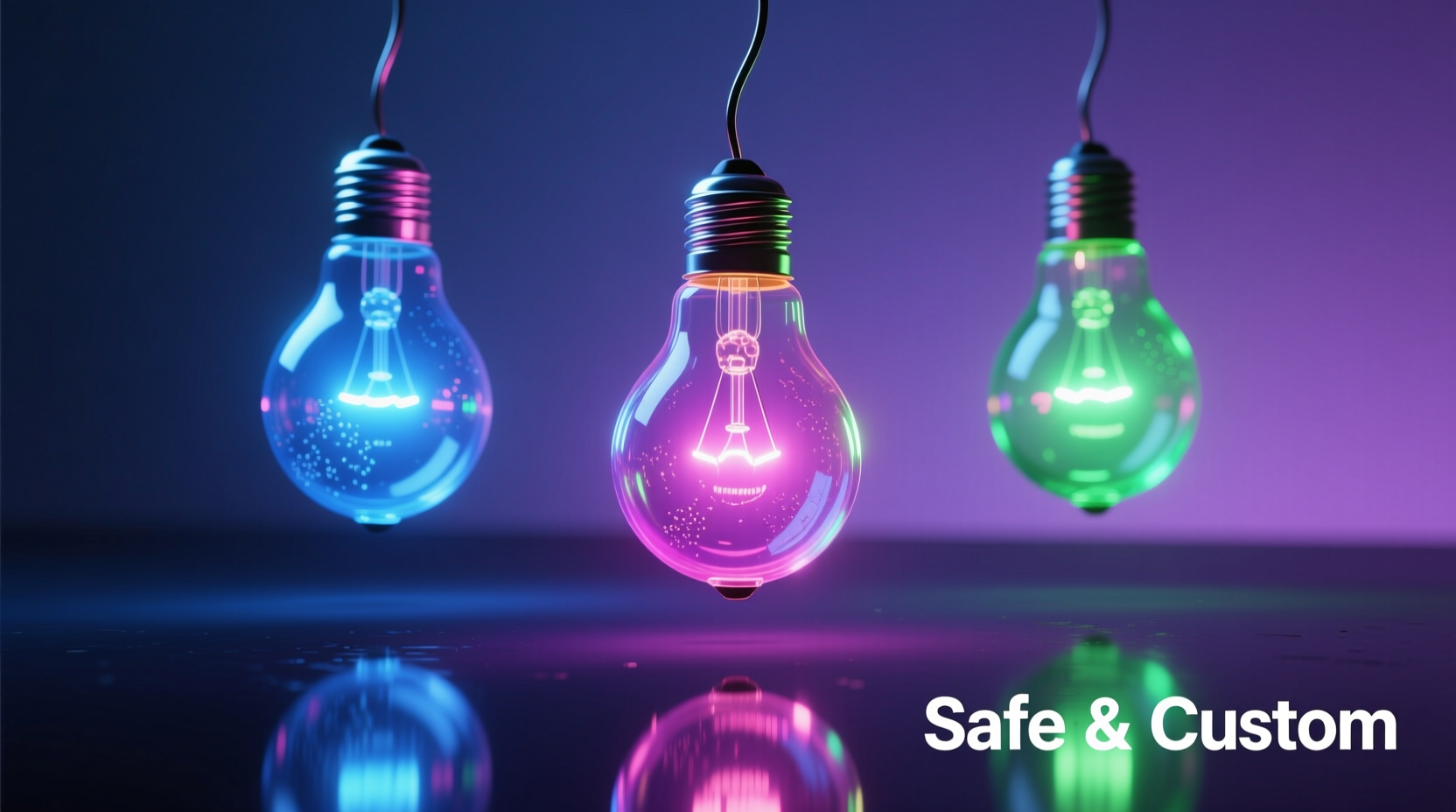
At first glance, painting a small glass bulb seems harmless. However, light bulbs—especially incandescent ones—are designed to release heat efficiently. When you coat the surface with paint, you interfere with this thermal regulation. Over time, trapped heat can degrade the paint, crack the glass, melt internal components, or ignite flammable materials.
LED bulbs generate far less heat than traditional incandescents, making them better candidates for modification. Still, even LEDs produce some warmth at the base and can be sensitive to insulation. Coating the entire bulb—even with “non-toxic” or “heat-resistant” paint—can disrupt airflow and lead to premature failure.
“Any coating on a light source must allow for adequate heat dissipation. Blocking that pathway increases risk, regardless of bulb type.” — Dr. Alan Reeves, Electrical Safety Consultant, National Home Safety Institute
Additionally, many common paints contain solvents or pigments that may off-gas when heated, releasing unpleasant odors or potentially harmful fumes indoors. This is particularly concerning if the lights are used inside homes, garages, or near children and pets.
Safer Alternatives to Painting the Entire Bulb
Rather than painting the bulb itself, consider safer methods to achieve custom color effects:
- Use colored sleeves or diffusers: Silicone or plastic covers slip over bulbs and change their hue without affecting temperature.
- Replace bulbs with colored LEDs: Modern LED strings come in nearly any color, including pastels, warm ambers, and RGB options.
- Wrap string lights with tinted cellophane or gels: Theater lighting gels (like Lee Filters or Rosco) are heat-resistant and easily attached with clips or ties.
- Paint only the metal base (for decorative bulbs): If the bulb is purely ornamental and not lit frequently, painting the cap or stem may add style without risk.
A Step-by-Step Guide to Safely Customizing Bulbs
If you’re determined to paint bulbs and accept the risks under controlled conditions, follow this method using low-heat LEDs and minimal coverage:
- Select low-wattage LED bulbs: Choose cool-burning, energy-efficient LEDs rated for continuous indoor use. Avoid high-lumen or outdoor flood-style LEDs.
- Clean the bulb surface: Wipe each bulb with rubbing alcohol to remove oils and ensure paint adhesion.
- Mask the metal base and lower third: Use painter’s tape to protect the socket, wires, and any area within 1/3 of the bulb base. Heat concentrates here—never cover these parts.
- Apply thin, even coats of glass-safe paint: Use water-based, non-toxic glass paint (e.g., Pebeo Vitrea 160 or DecoArt Glass Stain). Spray lightly or use a fine brush. Avoid thick layers.
- Cure according to manufacturer instructions: Some glass paints require air drying; others need baking in an oven. Follow guidelines precisely.
- Test in a safe environment: Plug in the modified string for 15-minute intervals over several hours. Monitor for discoloration, odor, or excessive warmth.
- Limits usage: Only operate painted bulbs for short durations (under 4 hours), never leave unattended, and avoid using near curtains, trees, or flammable décor.
“Even with precautions, painted bulbs should be treated as temporary art pieces—not permanent fixtures.” — Marissa Lin, DIY Lighting Designer & Safety Advocate
Do’s and Don’ts of Painting Holiday Lights
| Do | Don’t |
|---|---|
| Use only LED bulbs with low heat output | Paint incandescent, halogen, or high-wattage bulbs |
| Choose water-based, non-flammable glass paint | Use oil-based, acrylic craft, or spray paints not rated for glass |
| Leave the base and lower third unpainted | Cover electrical contacts or screw threads |
| Limit runtime to 2–4 hours per day | Leave painted lights on overnight or unattended |
| Inspect regularly for cracks, bubbling, or charring | Reuse painted bulbs year after year without inspection |
Real Example: A Festive but Cautionary Tale
In 2022, a homeowner in Portland attempted to create a vintage rose-gold glow by painting clear fairy lights with metallic craft spray. She used standard LED micro-lights wrapped around a mantel mirror. Initially, the effect was stunning—soft pink reflections danced across the room.
After three nights of continuous use, however, the paint began to blister. On the fourth night, a faint burning smell prompted investigation. One bulb had cracked, and the paint residue near the base showed scorch marks. Though no fire occurred, the entire string was damaged beyond repair.
An electrician later explained that while the bulbs were LED, the enclosed space behind the mirror restricted airflow, creating a heat trap. The metallic paint also contained conductive particles, increasing resistance. The homeowner switched to pre-made copper wire rose-gold LEDs the following year—safer, more reliable, and equally beautiful.
FAQ: Common Questions About Painting Christmas Lights
Can I use nail polish to tint mini Christmas bulbs?
No. Nail polish is highly flammable, contains volatile solvents, and melts easily under heat. Even on low-power LEDs, it can bubble, drip, or emit toxic fumes. It also adheres poorly and yellows quickly.
Are there any commercially available painted Christmas lights?
Yes. Many manufacturers sell factory-painted or coated bulbs—these are tested for safety and heat tolerance. Brands like Brite Ideas and Kurt S. Adler offer hand-painted glass bulb sets designed for durability and aesthetic appeal without user modification.
What kind of paint is actually safe for light bulbs?
Water-based, solvent-free glass paints specifically labeled as oven-cured or heat-stable up to 300°F (150°C) are the safest choice. Look for products like Pebeo Vitrea, FolkArt Enamels, or specialized stained-glass paints. Avoid anything labeled “acrylic,” “plastic,” or “fabric” unless explicitly approved for glass and heat exposure.
Checklist: Safe Custom Light Modification
Before attempting to modify any holiday lights, go through this checklist:
- ✅ Confirm bulbs are low-heat LEDs (under 5 watts)
- ✅ Verify paint is non-flammable, water-based, and rated for glass
- ✅ Protect the metal base and lower third from paint coverage
- ✅ Cure paint fully using recommended method (air dry or bake)
- ✅ Test lights for 15 minutes at a time over 3–4 sessions
- ✅ Use only in open, ventilated areas away from flammables
- ✅ Label modified strings clearly and store separately
- ✅ Discard after one season or at first sign of damage
Conclusion: Beauty Meets Responsibility
Creating custom-colored Christmas lights by painting bulbs is technically possible—but it comes with real risks. While the allure of personalization is strong, safety must remain the top priority. With modern alternatives like colored LEDs, diffuser sleeves, and professional-grade decorative bulbs, you can achieve stunning visual effects without compromising peace of mind.
If you choose to paint bulbs, do so with full awareness of the limitations. Use only the safest materials, restrict usage, and treat the result as a temporary art installation rather than a long-term lighting solution. The holidays are about joy, warmth, and gathering safely with loved ones. Let your creativity shine—but keep it grounded in responsibility.




 浙公网安备
33010002000092号
浙公网安备
33010002000092号 浙B2-20120091-4
Comments
No comments yet. Why don't you start the discussion?