
Dogs bark for many reasons—territorial instinct, alertness, fear, or excitement. One of the most common and persistent challenges pet owners face is their dog’s reaction to delivery drivers. Whether it's a UPS truck pulling up, a postal worker walking down the path, or a courier knocking on the door, the result is often a barrage of loud, insistent barking. The good news? Yes, you can train your dog to stop barking at delivery drivers. It takes consistency, patience, and a structured approach—but with the right techniques, significant improvement is not only possible but likely.
This guide outlines practical, humane, and scientifically supported training strategies that address the root causes of reactive barking. From understanding canine behavior to implementing real-world exercises, you’ll learn how to reshape your dog’s response to visitors and create a calmer home environment.
Why Dogs Bark at Delivery Drivers
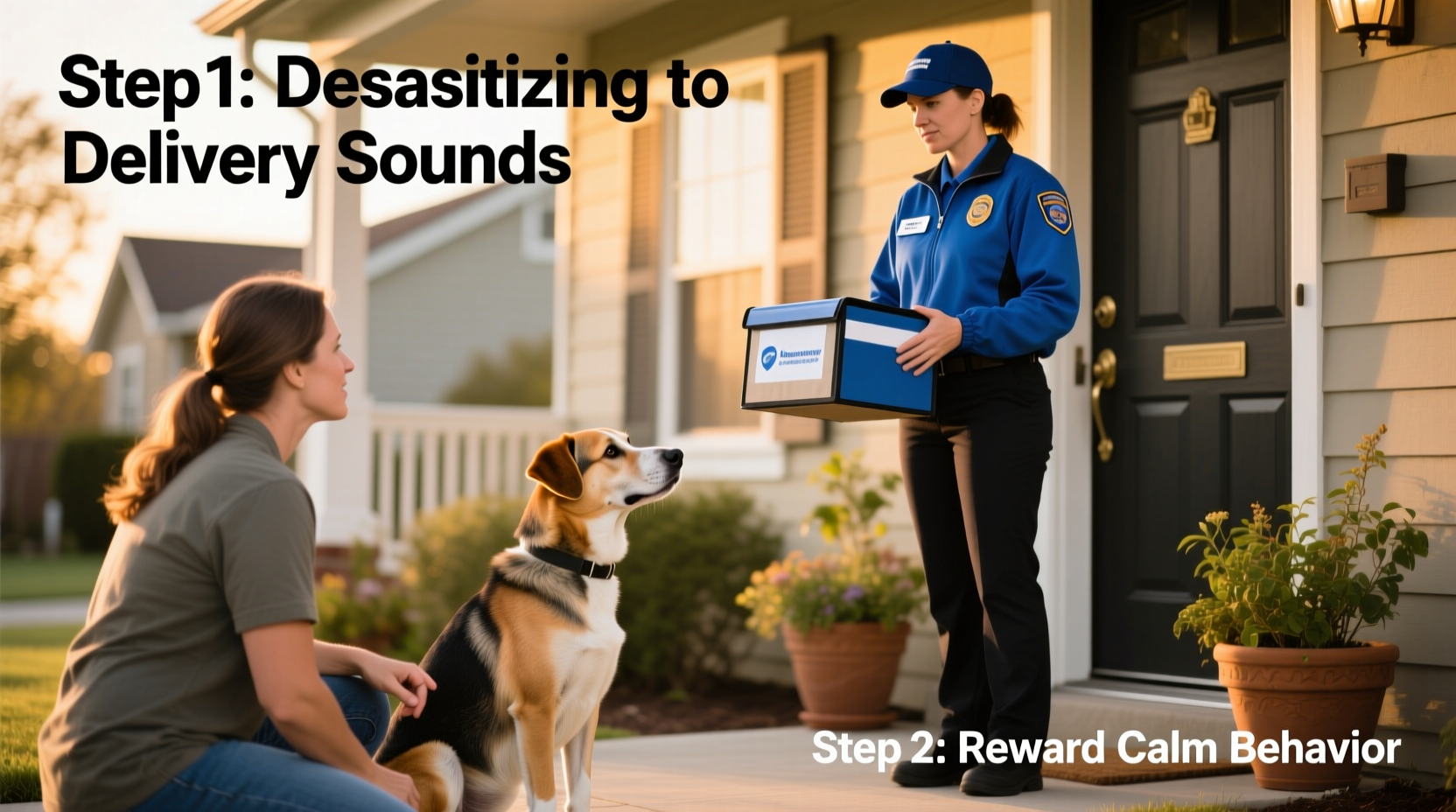
Dog barking at strangers, especially those who approach the home, is rooted in natural instincts. Historically, dogs served as guardians, alerting their pack to potential threats. A person approaching the front door—especially one who doesn’t belong to the household—triggers this protective response.
Delivery personnel are particularly provocative because they:
- Appear suddenly and move unpredictably near property boundaries
- Wear uniforms different from regular visitors
- Often retreat quickly after dropping off a package, reinforcing the idea that barking “chases them away”
- Visit frequently, giving the dog repeated opportunities to rehearse the behavior
This reinforcement loop makes the barking habit stronger over time. The dog learns: “I bark → stranger leaves → I succeeded.” This perceived success strengthens the behavior, making it harder to extinguish without intervention.
Step-by-Step Training Plan to Reduce Barking
Effective training doesn’t aim to eliminate all barking—some vocalization is normal and healthy. The goal is to teach your dog an alternative, calmer response when someone approaches the door or driveway.
Follow this five-phase plan over several weeks. Progress depends on your dog’s temperament, past experiences, and consistency in training.
- Phase 1: Manage the Environment
Prevent rehearsal of unwanted behavior. Use curtains, window film, or baby gates to block your dog’s view of the street during peak delivery hours. If your dog barks every time a vehicle passes, they’re practicing the behavior even when no delivery occurs. Management reduces exposure while you begin training. - Phase 2: Teach an Incompatible Behavior
Train your dog to go to a designated “quiet spot” (e.g., a mat or bed) and stay there calmly. Use high-value treats like boiled chicken or cheese. Say “go to your place,” guide them with a leash if needed, and reward heavily for staying put. Practice this command when no triggers are present until your dog responds reliably 9 out of 10 times. - Phase 3: Desensitization to Triggers
Introduce the trigger (e.g., someone walking toward the door) at a low intensity. Start with a friend standing far from the house. When your dog notices but doesn’t bark, mark the moment with a clicker or verbal cue (“yes”) and treat. Gradually decrease distance over multiple sessions, always staying below the barking threshold. - Phase 4: Counter-Conditioning
Change your dog’s emotional response to delivery people. Pair their appearance with something positive—like delicious treats. Every time someone approaches (even in video form at first), feed your dog small pieces of chicken. Over time, your dog will associate delivery people with food, not threat. - Phase 5: Real-World Application
Begin practicing with actual deliveries. Coordinate with a neighbor or use scheduled deliveries. Have your dog on a leash, stationed at their quiet spot. As the driver approaches, feed continuous treats. If your dog barks, gently redirect and wait for eye contact before resuming rewards. Celebrate calm behavior.
Essential Tools and Techniques
Success hinges on using the right tools and maintaining realistic expectations. Here’s what works—and what doesn’t.
| Method | Effectiveness | Notes |
|---|---|---|
| Positive Reinforcement | High | Rewards calm behavior; builds trust and reliability |
| Desensitization + Counter-Conditioning | Very High | Tackles the emotional root of barking; requires patience |
| Anti-Bark Collars | Low / Risky | May suppress barking but increase anxiety; not recommended by trainers |
| Distraction (toys, commands) | Moderate | Helps in early stages but not a long-term solution alone |
| Environmental Control (blocking views) | High | Prevents rehearsal; essential during training |
Checklist: Daily Training Routine
Consistency is key. Follow this daily checklist to reinforce progress:
- ✅ Block visual access to the street during delivery hours
- ✅ Practice “go to place” 2–3 times per day with high-value rewards
- ✅ Conduct one short desensitization session (5–10 minutes) using recorded videos or controlled setups
- ✅ Reward calm behavior anytime someone approaches the home—even family members
- ✅ Avoid allowing untrained exposure to real delivery situations
- ✅ Keep training sessions positive and end on a success
Real-Life Example: Turning Reactive Rufus into Calm Rufus
Rufus, a three-year-old Australian Shepherd, lived in a busy suburban neighborhood. He barked intensely at every delivery driver, often running from window to window, growling and lunging at the glass. His owner, Sarah, was embarrassed and worried about complaints.
She began by installing frosted window film to limit Rufus’s view. Then, she taught him to lie on a mat behind the couch whenever the doorbell rang. Using chicken and cheese, she reinforced staying on the mat. She practiced with a friend pretending to deliver packages at gradually closer distances.
After two weeks, Sarah coordinated with a local florist to schedule a real delivery. Rufus stayed on his mat, looked at her when the driver approached, and accepted treats quietly. Within six weeks, he remained calm during most visits, occasionally glancing toward the door but no longer barking.
“It wasn’t overnight,” Sarah said, “but once he learned that nothing bad happened and good things came when people came near, he relaxed. Now he just gets curious, not frantic.”
“Dogs don’t misbehave out of defiance—they react based on how they feel. If your dog barks at delivery people, they’re likely anxious or overstimulated. Our job is to change their emotional experience, not just silence them.” — Dr. Kendra Pope, Certified Veterinary Behaviorist
Common Mistakes to Avoid
Even well-intentioned training can backfire if these pitfalls aren’t avoided:
- Allowing repeated exposure without training: Every unmanaged encounter reinforces the barking habit.
- Using punishment: Yelling, spraying water, or shock collars increase fear and can generalize to other people or sounds.
- Expecting immediate results: Behavior change takes weeks. Pushing too fast leads to setbacks.
- Inconsistent responses: One day ignoring barking, the next day rewarding calmness, creates confusion.
- Skipping foundation skills: Trying to train “quiet” without first teaching focus or impulse control sets your dog up to fail.
FAQ: Common Questions About Barking at Delivery Drivers
How long does it take to train a dog to stop barking at delivery people?
Most dogs show improvement within 3–6 weeks of consistent daily training. Full reliability may take 2–3 months, depending on the dog’s history and sensitivity. Older dogs or those with deep-seated fear may require longer.
Can older dogs learn this, or is it only for puppies?
Absolutely, older dogs can learn. While puppies are more adaptable, adult dogs are fully capable of changing behavior through positive reinforcement. The process may be slower, but the principles remain the same.
What if my apartment has shared entrances or frequent deliveries?
Use sound cues and indoor management. Train your dog to go to a quiet room with a stuffed Kong or chew toy when the intercom buzzes. Use background noise to mask entry sounds. You can also ask building staff to notify you before entering so you can prepare your dog.
Conclusion: Yes, It’s Possible—And Worth the Effort
Training your dog to stop barking at delivery drivers isn’t about silencing them—it’s about helping them feel safe and secure in their environment. With structured desensitization, positive reinforcement, and consistent practice, most dogs can learn to remain calm when visitors arrive.
The process strengthens your bond, improves your dog’s quality of life, and reduces household stress. Neighbors appreciate the quieter environment, and delivery personnel no longer dread visits to your home.
Start today. Even five minutes of focused training can set the foundation for lasting change. Your dog isn’t being “bad”—they’re communicating. By responding with empathy and strategy, you can guide them toward better behavior, one calm moment at a time.




 浙公网安备
33010002000092号
浙公网安备
33010002000092号 浙B2-20120091-4
Comments
No comments yet. Why don't you start the discussion?