
Selecting an animal pendant keyring goes beyond simply attaching a charm to your keys. It’s a subtle yet powerful way to express personality, commemorate meaningful connections, or reflect personal style. Whether you’re drawn to the grace of a dolphin, the strength of a lion, or the whimsy of a fox, the right pendant should balance aesthetic appeal with long-term resilience. With so many materials, designs, and craftsmanship levels available, making the best choice requires thoughtful consideration.
Understand Your Style Preferences
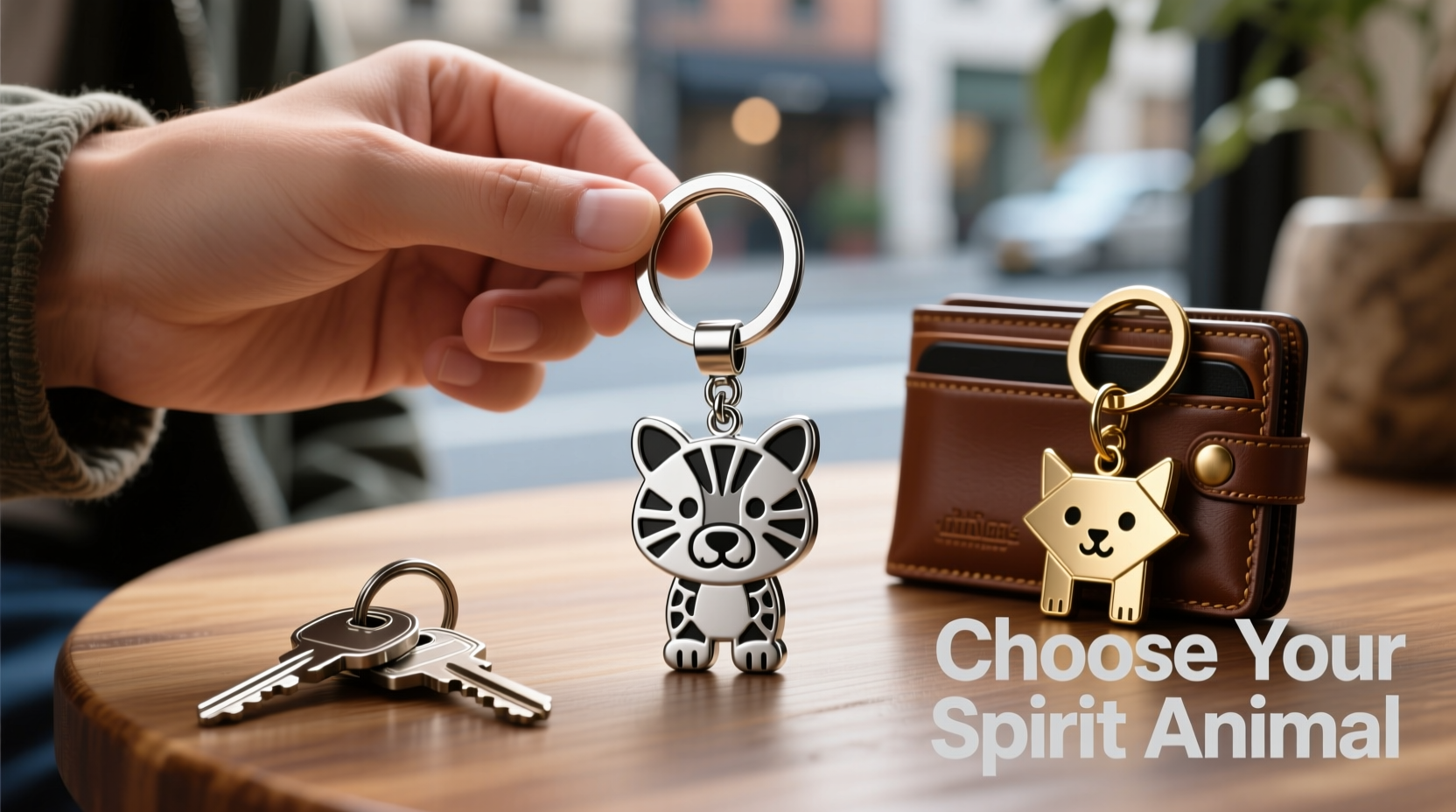
Your keyring is one of the most frequently handled accessories you own. It’s practical, visible, and often reflects who you are. Before evaluating durability or cost, start by identifying the style that resonates with you.
- Minimalist: Sleek silhouettes, single-tone metals, and compact designs suit those who prefer understated elegance.
- Vintage-inspired: Antique finishes, engraved details, or enamel accents offer a nostalgic charm.
- Bold & expressive: Larger pendants with vibrant colors, textured surfaces, or symbolic motifs make a statement.
- Nature-loving: Realistic animal depictions in organic poses appeal to outdoor enthusiasts or animal lovers.
Ask yourself: Do I want something delicate or rugged? Should it match my jewelry collection or stand out on its own? Answering these questions narrows down suitable options before considering construction quality.
Evaluate Material Quality for Longevity
Durability hinges largely on the materials used. A beautiful design can lose its luster quickly if made from low-grade components. The most common materials for animal pendant keyrings include metals, resins, leather, and ceramics, each with pros and cons.
| Material | Pros | Cons | Lifespan (with care) |
|---|---|---|---|
| Stainless Steel | Resists rust, tarnish, and scratches; hypoallergenic | Can be heavier than other metals | 5+ years |
| Sterling Silver | Premium look, polishable, widely available | Tarnishes over time; softer metal | 3–7 years |
| Brass (with plating) | Affordable, warm tone similar to gold | Plating wears off; may cause skin reactions | 1–3 years |
| Zinc Alloy | Inexpensive, easily molded into detailed shapes | Prone to chipping, corrosion, and breakage | 6 months – 2 years |
| Resin or Acrylic | Vibrant colors, lightweight, creative designs | Fragile; degrades in sunlight or heat | 1–3 years |
For lasting value, prioritize solid metals like stainless steel or sterling silver. Avoid pendants labeled “metal alloy” without further detail—these often indicate lower-quality blends prone to deterioration.
“Always check for hallmarks like ‘925’ for sterling silver or ‘316L’ for surgical-grade stainless steel. These markings confirm authenticity and help avoid misleading marketing.” — Daniel Reyes, Jewelry Materials Analyst
Assess Craftsmanship and Structural Integrity
A well-made pendant not only looks better but withstands daily wear. Inspect the following elements closely:
- Joining Points: Check where the pendant connects to the jump ring. Soldered joints are stronger than glued or loosely fitted ones.
- Surface Finish: Look for smooth edges, even plating, and no visible bubbles or cracks—especially in resin or enamel models.
- Mobility of Parts: If the pendant has moving parts (e.g., a swinging tail), ensure they move smoothly without wobbling excessively.
- Clasp Type: Keyrings should use sturdy split rings or heavy-duty lobster clasps, not flimsy open loops.
Weight can also be an indicator of quality. A noticeably light pendant may be hollow or made from thin metal, while a heftier feel often suggests solid construction.
Real Example: Sarah’s Experience
Sarah bought two cat-shaped keyrings—one from a boutique jeweler using sterling silver, the other from an online marketplace made of zinc alloy. Within six months, the cheaper pendant began flaking, the paint peeled, and the jump ring snapped during daily use. In contrast, her silver pendant retained its shine with minimal polishing and remained intact after two years of regular use. The initial price difference was justified by longevity and appearance.
Choose Meaningful Symbolism
Many people select animal pendants based on emotional or cultural significance. Certain animals carry symbolic weight across traditions:
- Owl: Wisdom and intuition
- Lion: Courage and leadership
- Dolphin: Harmony, playfulness, protection
- Bear: Strength and grounding
- Butterfly: Transformation and renewal
Consider whether the animal holds personal meaning—perhaps a pet, spirit guide, or favorite creature from childhood. A meaningful symbol enhances emotional connection and makes the accessory more than just decorative.
Step-by-Step Guide to Choosing Your Ideal Pendant
Follow this clear process to ensure you make a confident, informed decision:
- Define your purpose: Is it for daily use, gift-giving, or as a collector’s item?
- Set a budget: Determine what you’re willing to spend—quality pendants range from $15 to $100+.
- Research materials: Prioritize durable metals if you plan to use it regularly.
- Verify seller reputation: Read reviews, check return policies, and look for certifications.
- Inspect product images: Zoom in on photos for signs of craftsmanship issues.
- Order samples if possible: Some brands offer sample kits or small batches to test quality.
- Care for your purchase: Clean gently with a soft cloth; store separately to prevent scratches.
Common Mistakes to Avoid
- Choosing aesthetics over function: A fragile pendant may look stunning but won’t last.
- Ignoring clasp security: Weak rings lead to lost keys and broken chains.
- Overlooking allergies: Nickel-containing alloys can irritate sensitive skin.
- Buying impulse gifts: Without research, you risk gifting something impractical or poorly made.
Frequently Asked Questions
How do I clean and maintain my animal pendant keyring?
Use a soft microfiber cloth for routine wiping. For deeper cleaning, mix mild soap with lukewarm water, gently scrub with a soft toothbrush, then rinse and dry thoroughly. Avoid harsh chemicals or ultrasonic cleaners unless specified safe for the material.
Can I personalize my animal pendant?
Yes—many artisans offer engraving, custom coloring, or bespoke designs. Look for sellers who specialize in handmade or personalized jewelry. Custom work typically takes 1–3 weeks depending on complexity.
Are expensive pendants always better?
Not necessarily. While higher prices often reflect better materials and labor, some affordable brands use ethical sourcing and strong quality control. Always assess construction and materials rather than relying solely on price.
Final Thoughts
The perfect animal pendant keyring blends personal meaning with enduring craftsmanship. It’s not just about selecting a cute or trendy design—it’s about choosing a piece that will remain a trusted companion on your keychain for years. By focusing on material integrity, symbolic relevance, and attention to detail, you invest in both style and substance.




 浙公网安备
33010002000092号
浙公网安备
33010002000092号 浙B2-20120091-4
Comments
No comments yet. Why don't you start the discussion?