
Dogs bark for many reasons—territorial defense, fear, excitement, or attention-seeking. One of the most common behavioral concerns among pet owners is excessive barking at strangers. Whether it happens during walks, at the front door, or in public spaces, this behavior can strain relationships, cause embarrassment, and even lead to noise complaints. The good news? Yes, you can train your dog to stop barking at strangers—but only if you approach it with patience, understanding, and above all, consistency.
Training a dog isn't about one-off corrections or quick fixes. It’s a process rooted in repetition, positive reinforcement, and clear communication. When applied consistently over time, behavioral modification techniques can reshape how your dog responds to unfamiliar people. This article explores the science behind canine reactivity, outlines effective training strategies, and demonstrates why consistency isn’t just helpful—it’s essential.
Understanding Why Dogs Bark at Strangers
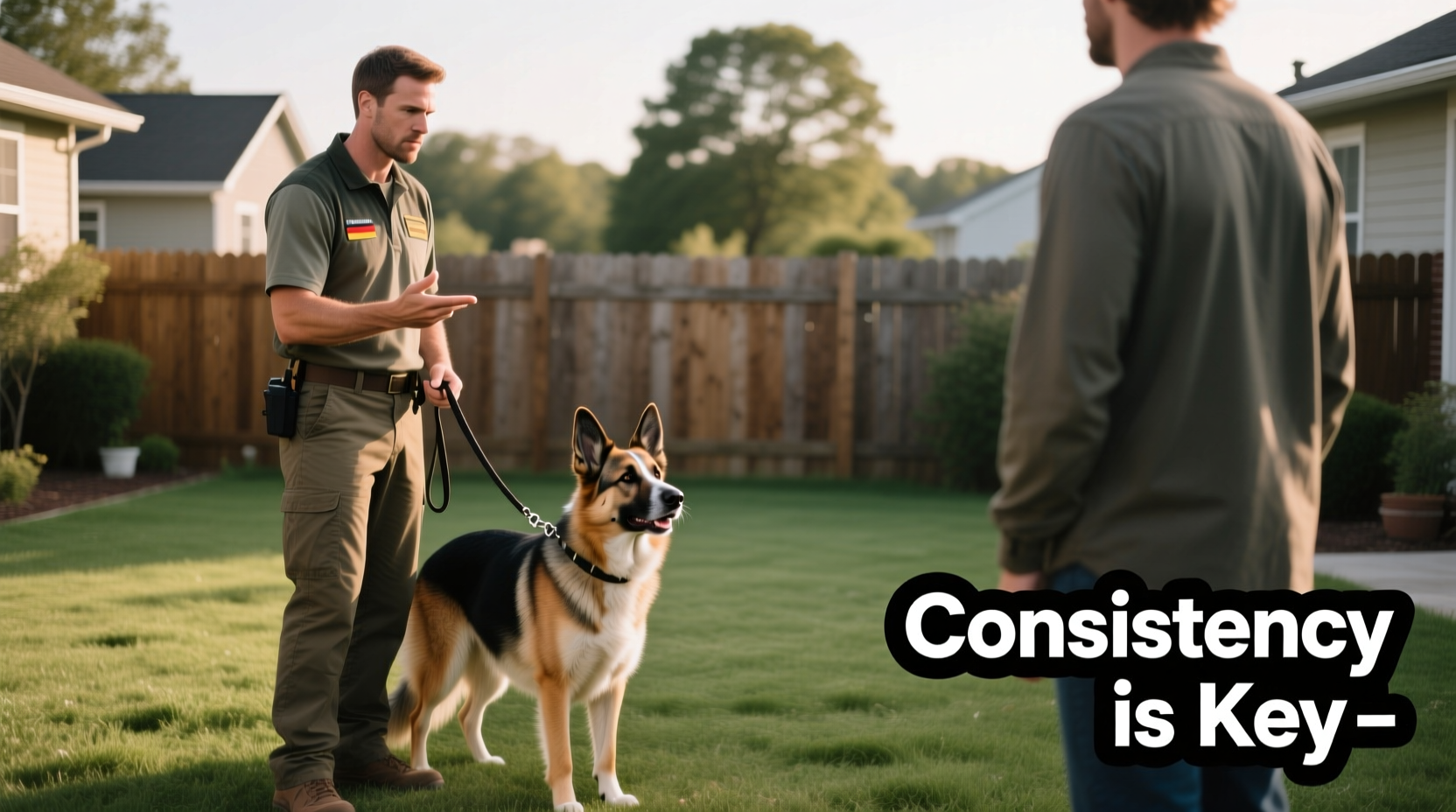
To effectively address barking, you must first understand its root causes. Barking at strangers is rarely about aggression alone. More often, it stems from instinctual behaviors that were once vital for survival. In the wild, dogs relied on vocalizations to alert their pack to potential threats. Today, domesticated dogs still carry these instincts, even when the \"threat\" is a friendly neighbor walking by.
Common triggers include:
- Fear or anxiety: Shy or under-socialized dogs may perceive strangers as unpredictable or dangerous.
- Protective instincts: Some breeds are naturally more territorial and view their home or owner as something to guard.
- Lack of exposure: Dogs not exposed to diverse people during puppyhood may react strongly to anyone who seems different.
- Excitement: Friendly dogs might bark out of eagerness to greet someone, not out of hostility.
Identifying the underlying motivation is critical. A fearful dog needs reassurance and gradual exposure, while an overexcited dog benefits from impulse control training. Misdiagnosing the cause can lead to ineffective or even counterproductive methods.
The Role of Consistency in Dog Training
Consistency means applying the same rules, cues, and responses every single time. It eliminates confusion and helps your dog form reliable associations. For example, if you sometimes allow barking at delivery people but scold your dog other times, the message becomes muddled. Your dog won’t know which behavior earns rewards and which leads to correction.
Dr. Ian Dunbar, veterinarian and animal behaviorist, emphasizes this point:
“Dogs don’t generalize well. If you want them to learn a behavior, you have to practice it in multiple situations, with the same criteria, until it becomes automatic.” — Dr. Ian Dunbar, Canine Behavior Expert
Inconsistency undermines trust. When rules shift unpredictably, dogs become anxious. They may bark more—not out of defiance, but because they’re unsure how to behave. Consistent training builds confidence. Over time, your dog learns that calmness around strangers leads to treats, praise, or continued walks, while barking results in no reward or a brief pause in activity.
Step-by-Step Guide to Reducing Stranger-Triggered Barking
Effective training doesn’t happen overnight. Below is a structured, progressive plan designed to build your dog’s confidence and self-control around strangers. Follow these steps daily for best results.
- Establish a Baseline: Note when and where barking occurs. How far away is the stranger? What’s your dog’s reaction? Keep a simple log for a few days to identify patterns.
- Teach an Alternative Behavior: Train a default command like “look” or “sit.” Use high-value treats (small pieces of chicken or cheese) to reward attention on you instead of the trigger. Practice in low-distraction environments first.
- Begin Controlled Exposure: Choose a quiet location where you can safely introduce strangers at a distance. Ask a friend to walk into view at 30 feet and stand still. If your dog notices but doesn’t bark, reward immediately. If they bark, calmly turn and walk away—no scolding.
- Gradually Decrease Distance: Over several sessions, let the stranger get slightly closer—only if your dog remains calm. The goal is to stay below the “reactivity threshold,” where your dog feels overwhelmed.
- Add Movement and Realism: Once your dog stays calm at close range, have the helper walk slowly past, then eventually approach. Continue rewarding calm behavior.
- Practice in Real-World Settings: Move training to sidewalks, parks, or your front yard. Always carry treats and maintain focus. If your dog reacts, gently redirect and leave the situation without punishment.
- Maintain Long-Term Consistency: Even after improvement, continue occasional reinforcement. Life changes (new neighbors, seasons, routines) can re-trigger old behaviors.
This process, known as *counter-conditioning* and *desensitization*, changes your dog’s emotional response to strangers—from fear or excitement to neutrality or even positivity.
Do’s and Don’ts of Training
| Do’s | Don’ts |
|---|---|
| Use high-value treats during training sessions | Yell at or punish your dog for barking |
| Keep sessions short (5–10 minutes) and frequent | Force your dog to interact with strangers |
| Stay calm and neutral when a stranger appears | Allow inconsistent reactions (e.g., sometimes ignoring barking) |
| Leash your dog during training for safety and control | Use aversive tools like shock collars or spray bottles |
| End sessions on a positive note, even if progress is small | Expect immediate results; behavior change takes weeks |
Real Example: Transforming Luna, the Reactive Beagle
Luna, a three-year-old beagle living in a suburban neighborhood, would bark intensely at anyone passing her front yard. Her owners initially tried shouting “No!” and pulling her inside, but the behavior worsened. After consulting a certified dog trainer, they began a consistency-based program.
Their approach:
- They started by blocking Luna’s view of the street with a baby gate, reducing constant exposure.
- They trained her to sit and “watch me” for treats whenever someone approached the mailbox, beginning at 50 feet away.
- Over six weeks, they gradually reduced the distance, always rewarding calm behavior.
- They ensured both owners used the same commands and never allowed barking to be ignored.
By week ten, Luna would sit quietly as neighbors walked by. By week twelve, she occasionally wagged her tail. Her owners credit success not to a special trick, but to doing the same thing, every day, without exception.
Essential Training Checklist
Use this checklist to ensure you're covering all bases in your training journey:
- ✅ Identify your dog’s specific trigger (e.g., men with hats, fast-moving cyclists)
- ✅ Choose a consistent cue word (e.g., “quiet,” “look,” “sit”)
- ✅ Stock up on high-value treats and keep them accessible
- ✅ Schedule daily 5–10 minute training sessions in low-distraction areas
- ✅ Enlist friends or family to help with controlled exposure exercises
- ✅ Avoid situations where your dog is likely to react until training progresses
- ✅ Track progress with notes or a journal
- ✅ Stay patient—even small improvements are meaningful
Consistency isn’t just about repeating actions. It’s about creating a predictable environment where your dog feels safe enough to learn new behaviors.
Frequently Asked Questions
Can older dogs learn to stop barking at strangers?
Yes. While puppies are more adaptable, adult and senior dogs can absolutely change their behavior with consistent training. It may take longer, but neurological plasticity allows dogs to learn at any age. The key is patience and repetition.
What if my dog only barks at certain types of people?
This is common and usually indicates a lack of early socialization. For example, a dog might bark at men with deep voices or people wearing hats. Address this by conducting targeted desensitization with helpers who match the trigger profile. Gradual, positive exposure reduces fear over time.
Should I use a bark collar to stop the behavior?
No. Bark collars (especially shock, citronella, or vibration types) suppress symptoms without addressing the root cause. They can increase anxiety and damage your dog’s trust in you. Positive reinforcement and consistency are safer, more ethical, and more effective long-term solutions.
Conclusion: Consistency Is the Foundation of Change
Training a dog to stop barking at strangers isn’t about dominance or force. It’s about guidance, empathy, and unwavering consistency. Every interaction shapes your dog’s expectations. When you respond the same way each time—with calm redirection, positive reinforcement, and patience—you build a foundation of trust and clarity.
Progress may feel slow at first. There will be setbacks. But with daily effort and a commitment to the process, most dogs can significantly reduce or even eliminate reactive barking. The transformation isn’t just behavioral—it strengthens your bond and makes everyday life more peaceful for both of you.




 浙公网安备
33010002000092号
浙公网安备
33010002000092号 浙B2-20120091-4
Comments
No comments yet. Why don't you start the discussion?