
Every holiday season, millions of homes across the United States light up with strings of energy-efficient LED Christmas lights. When these lights eventually burn out or break, many people wonder: what should be done with them? Throwing them in the trash may seem like the easiest option, but it’s far from the best. Broken LED Christmas lights contain valuable materials—and potentially hazardous components—that make responsible recycling not just beneficial, but necessary. The good news is that yes, you *can* recycle broken LED Christmas lights. The challenge lies in knowing how and where to do it correctly.
Unlike traditional incandescent bulbs, LED lights are made with semiconductors, copper wiring, and plastic casings—materials that are both recoverable and recyclable. However, they’re not accepted in standard curbside recycling programs due to their mixed composition and small size. Instead, they require specialized handling through designated e-waste or holiday light recycling initiatives. This guide walks you through everything you need to know about recycling your broken LED Christmas lights, including local drop-off options, seasonal collection events, and practical steps to ensure your holiday decor doesn’t end up polluting landfills.
Why Recycling LED Christmas Lights Matters
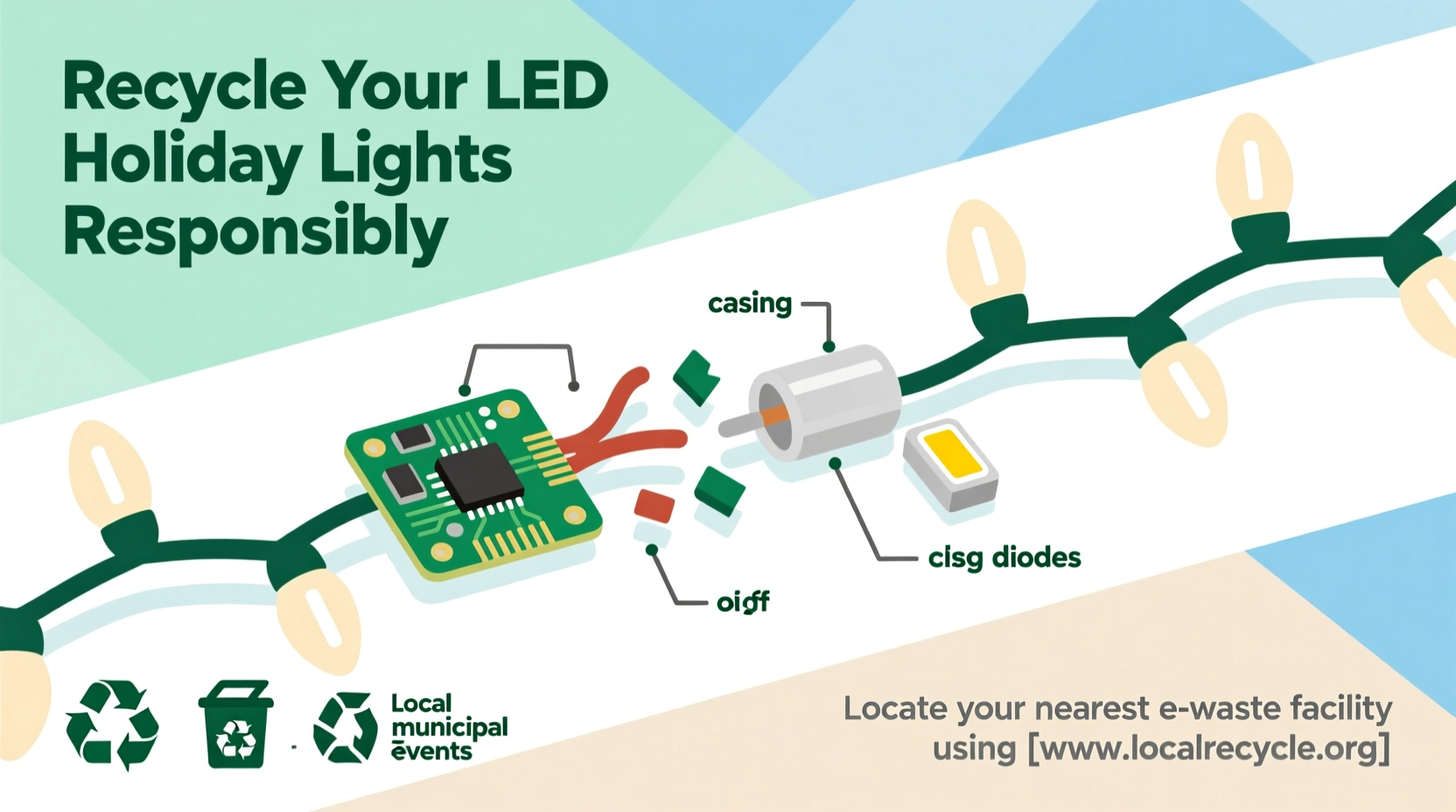
LED (light-emitting diode) technology is praised for its longevity and energy efficiency, often lasting 25,000 to 50,000 hours. But even durable LEDs eventually fail. When they do, improper disposal contributes to growing electronic waste. According to the U.S. Environmental Protection Agency (EPA), over 6 million tons of e-waste were generated in 2023 alone, with less than 25% being recycled properly. Holiday lighting, though a small fraction, adds up when multiplied across households nationwide.
Recycling LED Christmas lights helps recover copper wire, which makes up a significant portion of each strand. It also prevents toxic substances like lead and brominated flame retardants—sometimes used in circuit boards and insulation—from leaching into soil and water supplies. Beyond environmental benefits, recycling supports a circular economy by reprocessing raw materials into new products, reducing the need for mining and manufacturing virgin resources.
“Electronic waste is one of the fastest-growing waste streams globally. Responsible recycling of items like LED lights keeps valuable materials in use and toxins out of landfills.” — Dr. Laura Chen, Sustainable Materials Researcher at GreenTech Institute
Where to Recycle Broken LED Christmas Lights Locally
While most municipal recycling centers don’t accept holiday lights in regular bins, numerous local and national programs provide safe, accessible drop-off points. The key is knowing where to look and when to act—many of these services operate seasonally, typically from November through January.
1. Retail Drop-Off Programs
Several major retailers partner with recycling organizations to collect old holiday lights during the festive season:
- Home Depot: Offers an annual holiday light recycling program in partnership with Weecycle. Customers can drop off non-working lights at participating stores between early November and mid-January. All types of string lights—including LEDs—are accepted.
- Lowe’s: Some locations host seasonal collection bins, often supporting local charities or schools as part of fundraising drives. Check your nearest store’s community board or website for details.
- Best Buy: While Best Buy primarily recycles larger electronics, select stores have participated in holiday light drives. Call ahead or visit their e-waste page for current offerings.
2. Municipal E-Waste Collection Events
Many cities and counties organize special e-waste collection days, especially around the new year. These events often accept holiday lights alongside other small electronics. To find one near you:
- Visit your city or county’s official waste management website.
- Search for “e-waste recycling event” or “household hazardous waste collection.”
- Look for dates between December and February, when post-holiday cleanups are common.
For example, San Francisco’s Department of Environment hosts “Zero Waste Holidays” events every January, accepting lights, tinsel, and even artificial trees. Similarly, Austin, Texas runs a “Holiday Light Roundup” with multiple drop-off sites across the city.
3. Nonprofit and Community-Driven Initiatives
Some local nonprofits, schools, and scout troops run holiday light recycling as a fundraiser. These groups collect lights and sell them to certified recyclers by the pound, using the proceeds for community projects. Organizations like Christmas Light Source and GreenCitizen also offer mail-in recycling kits, though these come at a small cost.
To locate such programs:
- Search Facebook community groups or Nextdoor for local “recycle Christmas lights” posts.
- Contact your neighborhood homeowners’ association or PTA.
- Use online tools like Earth911’s Recycling Search (earth911.com) and enter “holiday lights” along with your ZIP code.
Step-by-Step Guide to Recycling Your Broken LED Lights
Follow this clear sequence to responsibly dispose of your old LED Christmas lights:
- Unplug and inspect all strands. Identify which ones no longer work or have damaged sections.
- Cut or untangle if necessary. Do not force knots apart; use scissors to separate severely tangled sets to avoid injury.
- Remove non-recyclable attachments. Take off any plastic decorations, clips, timers, or power adapters.
- Sort by type (optional). Separate LED from incandescent if possible—some recyclers pay more for copper-rich incandescents, though most facilities handle both.
- Store safely until drop-off. Place lights in a labeled box or reusable bag to prevent snags and keep them organized.
- Find a local drop-off point. Use Earth911, call your city’s sanitation department, or check retailer websites.
- Deliver during operating hours. Confirm seasonal programs haven’t ended before making the trip.
“People often don’t realize that even a single strand of lights contains usable copper. Collecting several households’ worth multiplies the impact significantly.” — Marcus Reed, Founder of Lights Out Recycling Initiative, Portland, OR
What Happens After You Drop Off Your Lights?
Once collected, holiday lights go through a specialized recycling process:
| Stage | Process | Outcome |
|---|---|---|
| 1. Sorting | Lights are separated from other e-waste and categorized by material type. | Ensures efficient downstream processing. |
| 2. Shredding | Strands are fed into industrial shredders that break them into small fragments. | Prepares mixed materials for separation. |
| 3. Separation | Using density and magnetic techniques, recyclers isolate copper, plastics, glass, and metals. | Each component is sent to appropriate refining channels. |
| 4. Refining | Copper is smelted and purified; plastics are pelletized for reuse. | Raw materials return to manufacturing supply chains. |
| 5. Disposal | Hazardous residues are treated according to EPA guidelines. | Safe containment of harmful substances. |
The recovered copper is often used in new electrical wiring, while recycled plastic may become park benches, flooring tiles, or even new consumer goods. This closed-loop system reduces carbon emissions and conserves natural resources.
Common Mistakes to Avoid
Even well-intentioned efforts can fall short if basic errors are made. Steer clear of these pitfalls:
- Mixing lights with regular recyclables. They’ll likely be rejected or contaminate entire batches.
- Keeping damaged lights plugged in. Frayed wires pose fire and shock risks—unplug immediately.
- Assuming all drop-offs are free. Some mail-in programs charge $8–$15 per pound; always verify fees upfront.
- Waiting too long to recycle. Seasonal programs close quickly—don’t wait until March to act.
- Hoarding broken sets “just in case.” Space-consuming and increases clutter; recycle promptly.
Mini Case Study: How One Town Doubled Its Holiday Light Recycling Rate
In Boulder, Colorado, city officials noticed low participation in e-waste programs despite high environmental awareness. In 2022, they launched “Light the Way to Recycling,” a campaign combining education, convenience, and incentives.
They placed clearly marked bins at all five library branches and partnered with the local high school robotics team to promote the drive. For every pound of lights collected, residents earned entries into a raffle for energy-efficient smart home devices. Local media covered the story, emphasizing the copper recovery angle.
The results were striking: over 2,800 pounds of holiday lights were collected in six weeks—double the previous year’s total. More importantly, follow-up surveys showed a 47% increase in knowledge about proper e-waste disposal. The success prompted Boulder to make the program annual, expanding it to include extension cords and small appliances.
Alternatives If Recycling Isn’t Accessible
If no local drop-off exists, consider these responsible alternatives:
- Mail-in recycling services: Companies like HolidayLEDs.com and TerraCycle offer prepaid shipping kits. Prices range from $10 to $20 depending on box size.
- Repair instead of discard: Many LED issues stem from a single faulty bulb or fuse. Use a light tester to identify and replace defective sections.
- Repurpose creatively: Use intact sections for crafts, DIY garlands, or garden decorations. Artists often welcome donations for installations.
- Donate working portions: Schools, theaters, and community centers may use functional segments for seasonal displays.
Frequently Asked Questions
Can I put LED Christmas lights in my curbside recycling bin?
No. Most curbside programs cannot process holiday lights due to tangled wiring and mixed materials. Doing so may cause machinery jams and contamination. Always use designated e-waste channels.
Are broken LED lights dangerous to handle?
Generally, no—but caution is advised. While LEDs don’t contain mercury like CFLs, frayed wires can deliver electric shocks if touched while plugged in. Always unplug before handling, and wear gloves when cutting or untangling.
Do recycling centers pay for old Christmas lights?
Sometimes. Facilities that recover copper may offer minimal compensation—typically $0.20 to $0.50 per pound—though most programs are free drop-offs focused on environmental goals rather than profit. Nonprofits may use sales revenue for community funding.
Checklist: How to Recycle Your LED Christmas Lights
- ✅ Unplug all strands and test functionality
- ✅ Remove decorations, timers, and damaged plugs
- ✅ Untangle or cut lights into manageable lengths
- ✅ Store in a labeled container until drop-off
- ✅ Search for local retailers, e-waste events, or mail-in options
- ✅ Deliver lights during active collection periods (Nov–Jan)
- ✅ Consider repairing or repurposing salvageable sections
Conclusion: Turn End-of-Life Lights Into New Beginnings
Recycling broken LED Christmas lights isn’t just an act of waste management—it’s a meaningful contribution to environmental sustainability. With the right information, you can ensure that your holiday cheer doesn’t leave behind a lasting ecological footprint. From retail drop-offs to community initiatives, convenient options exist in most areas. By taking action now, you help conserve valuable resources, support ethical recycling practices, and set an example for others in your household and neighborhood.




 浙公网安备
33010002000092号
浙公网安备
33010002000092号 浙B2-20120091-4
Comments
No comments yet. Why don't you start the discussion?