
Ziplock bags are a staple in kitchens across the world—convenient, affordable, and versatile. From storing leftovers to packing snacks, their utility is undeniable. But as environmental awareness grows and households look to cut down on single-use plastics, many people are asking: can these plastic bags be reused safely? The answer isn’t a simple yes or no. With proper handling, some Ziplock bags can be reused multiple times without compromising hygiene or structural integrity. However, not all uses are equal, and certain foods or conditions make reuse risky. This guide explores how to clean, store, and assess Ziplock bags for reuse while prioritizing food safety and sustainability.
Understanding Ziplock Bag Materials and Design
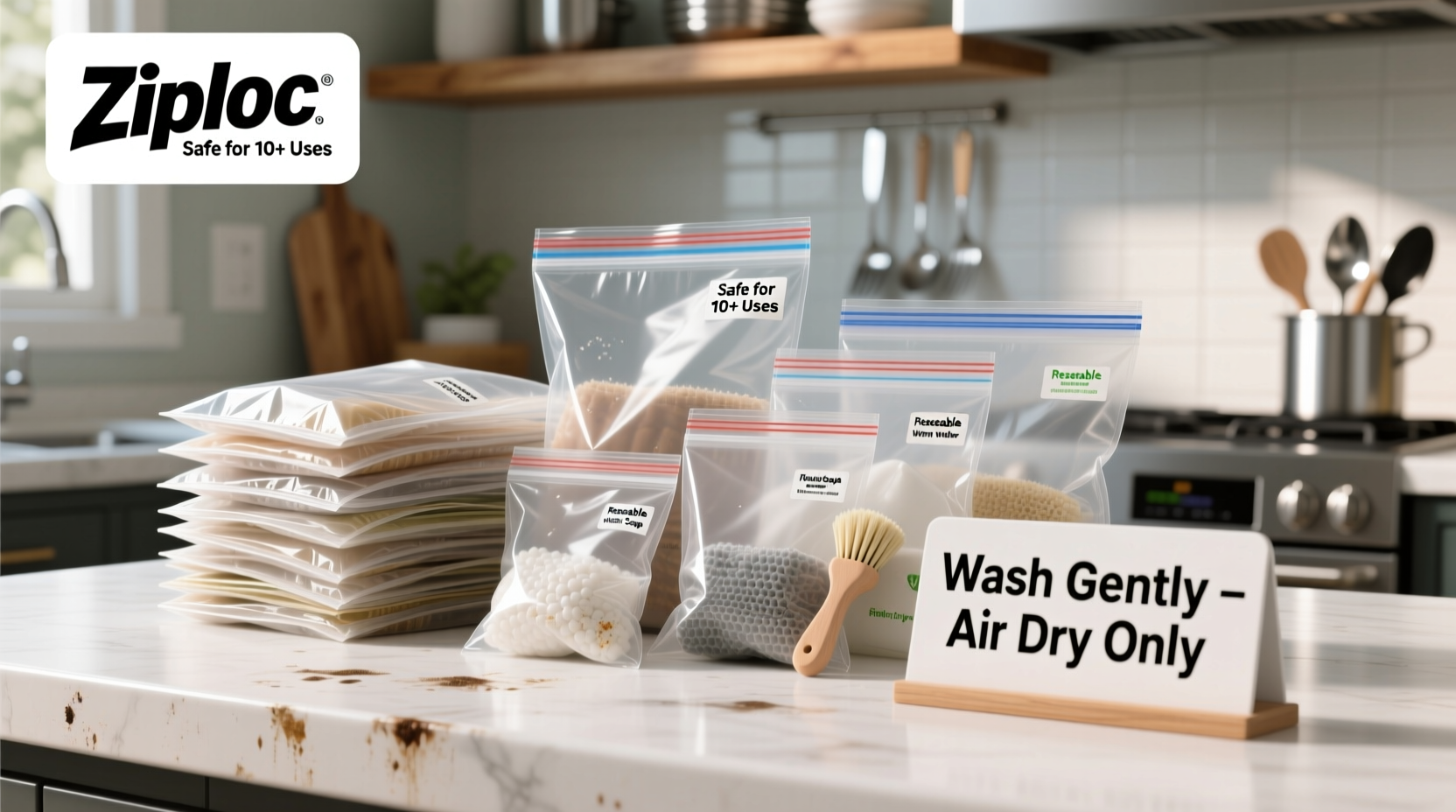
Most Ziplock-style resealable bags are made from polyethylene, a durable yet flexible plastic that resists moisture and mild chemicals. While they’re designed primarily for one-time use, their construction often allows for limited reuse if handled correctly. Thicker freezer-grade bags, for example, are more robust than standard sandwich bags and better suited for repeated use. Manufacturers like Ziploc state that their products are “designed to be reused” as long as they remain clean, dry, and undamaged.
The key to safe reuse lies in understanding the limitations of the material. Polyethylene doesn’t tolerate high heat well—avoid microwaving or dishwashing unless the packaging explicitly states it’s safe. Additionally, scratches, cloudiness, or warping indicate degradation, which can harbor bacteria or compromise the seal. Reuse should never come at the expense of food safety.
“Plastic bags labeled as reusable or freezer-safe have thicker walls and stronger seals, making them better candidates for multiple uses.” — Dr. Linda Harper, Food Safety Researcher at the National Institute of Food Technology
When It’s Safe (and Not Safe) to Reuse Ziplock Bags
Not every use case supports reuse. The contents previously stored in the bag play a major role in determining whether it's safe to use again.
| Safe for Reuse | Avoid Reusing |
|---|---|
| Dry foods (cereals, crackers, bread) | Raw meat, poultry, or seafood |
| Cooked vegetables or grains | Foods with strong odors (onions, garlic, fish) |
| Snacks like chips or pretzels | Oily or greasy foods (bacon, fried items) |
| Cut fruits without juice leakage | Any bag that held spoiled or moldy food |
Bacteria thrive in moist, protein-rich environments. A bag that once held raw chicken may appear clean after rinsing, but microscopic residues can survive and cross-contaminate future contents. Similarly, oils break down plastic over time, increasing the risk of chemical leaching and weakening the seal. When in doubt, err on the side of caution and discard the bag.
Step-by-Step Guide to Cleaning and Sanitizing Ziplock Bags
Cleaning a used Ziplock bag properly is essential to prevent bacterial growth and odor retention. Follow this timeline to ensure thorough sanitation:
- Empty and Rinse Immediately: After use, turn the bag inside out and rinse under warm running water. Remove any visible food particles. Delayed cleaning increases the risk of bacterial buildup.
- Wash with Mild Soap: Use a soft sponge or bottle brush with a drop of dish soap. Gently scrub the interior, focusing on corners and the zipper track where debris accumulates. Avoid abrasive pads that can scratch the surface.
- Sanitize (Optional but Recommended):strong> Soak the bag in a solution of 1 tablespoon white vinegar or 1 teaspoon bleach per cup of water for 5–10 minutes. This step kills residual bacteria, especially important if the bag held perishable items.
- Rinse Thoroughly: Flush with clean water to remove all traces of soap or sanitizer. Any residue can affect taste or safety.
- Air Dry Completely: Place the bag upside down on a drying rack with the seal open to allow airflow. Never towel-dry the inside, as lint and bacteria from the cloth can transfer. Drying may take several hours.
- Inspect Before Reuse: Check for cloudiness, warping, lingering smells, or weakened seals. If any defects are present, discard the bag.
Dishwashers may seem convenient, but most manufacturers advise against placing Ziplock bags on the bottom rack due to high heat exposure. If your bags are labeled dishwasher-safe, place them on the top rack only and skip the heated dry cycle.
Maximizing Durability: Best Practices for Long-Term Use
Even with careful cleaning, Ziplock bags degrade over time. However, smart habits can extend their lifespan and maintain performance.
- Avoid Heat Exposure: Never microwave food in non-approved bags or leave them in hot cars. Heat accelerates plastic breakdown and increases the chance of chemical migration into food.
- Don’t Overfill: Stretching the bag beyond capacity stresses seams and zippers, leading to premature failure.
- Use Dedicated Bags: Assign specific bags for dry goods, snacks, or non-food items (like craft supplies or cords) to minimize contamination risks.
- Store Flat and Open: Keep cleaned bags unsealed and flat in a drawer or container to prevent creasing and moisture trapping.
- Limit Reuse Cycles: Even well-maintained bags should be retired after 3–5 uses, especially if used for moist or acidic foods.
“Every wash degrades plastic microscopically. After a few cycles, tiny fissures form—these are invisible but can trap bacteria.” — Dr. Mark Tran, Polymer Scientist at EcoMaterials Lab
Real-World Example: A Family Reduces Waste with Smart Bag Reuse
The Rivera family of four decided to cut down on plastic waste by reusing Ziplock bags for school lunches. They started by purchasing higher-quality freezer bags and assigned colors: blue for sandwiches, green for veggies, red for fruit. Each evening, used bags were rinsed immediately after lunch and sanitized weekly using a vinegar soak. They kept a small drying rack in a kitchen window for airflow. After three months, they estimated saving over 60 single-use bags. Crucially, they discarded any bag that held yogurt or cheese within two uses to avoid odor retention. Their system worked because it combined structure, hygiene, and realistic expectations about bag lifespan.
Checklist: Can You Reuse This Ziplock Bag?
Before refilling a used bag, run through this quick checklist:
- ✅ Was the previous content dry or low-risk (e.g., bread, carrots)?
- ✅ Is there no lingering smell after washing?
- ✅ Does the seal still close tightly and hold air when pressed?
- ✅ Is the plastic clear and free of cloudiness, cracks, or stickiness?
- ✅ Has it been washed fewer than five times?
- ✅ Was it never used for raw meat, oil-heavy foods, or spoiled items?
If all answers are yes, the bag is likely safe for another round. If any box is unchecked, recycle or repurpose it appropriately.
Frequently Asked Questions
Can I freeze food in a reused Ziplock bag?
Yes, but only if the bag is specifically designed for freezing and has not been previously used for high-risk foods. Ensure it’s completely dry before refreezing to prevent ice buildup and bacterial growth. Inspect the seal carefully, as weakened closures can lead to freezer burn.
Do reusable silicone bags offer a better alternative?
Silicone storage bags are a durable, eco-friendly option designed for hundreds of reuses. They’re dishwasher-safe, freezer-safe, and resistant to odors and stains. While more expensive upfront, they often pay for themselves over time and eliminate concerns about plastic degradation. Brands like Stasher or ZipTop are popular choices for families aiming to go plastic-free.
How should I dispose of worn-out Ziplock bags?
Most curbside recycling programs do not accept used plastic bags due to contamination and sorting challenges. If clean and dry, some grocery stores offer plastic film recycling bins. Otherwise, consider repurposing them for trash liners or pet waste before disposal in the regular trash.
Conclusion: Reuse Responsibly, Not Relentlessly
Reusing Ziplock bags can be a practical way to reduce household waste and stretch your budget, but only when done safely and selectively. The goal isn’t to squeeze every possible use from a bag, but to balance sustainability with health. By choosing the right bags, cleaning them properly, and knowing when to let go, you can make environmentally conscious decisions without compromising food safety. Start small—designate a few sturdy bags for dry snacks or pantry organization—and build habits that align with both your lifestyle and values.




 浙公网安备
33010002000092号
浙公网安备
33010002000092号 浙B2-20120091-4
Comments
No comments yet. Why don't you start the discussion?