
Carpets are a comfort feature in most homes—they provide warmth, reduce noise, and enhance room aesthetics. But they also trap dust, allergens, and unpleasant smells from pets, spills, and everyday foot traffic. One of the most accessible and effective solutions for tackling carpet odors is a common kitchen staple: baking soda. Affordable, non-toxic, and widely available, baking soda has been used for decades as a natural deodorizer. But can you really use it on carpet? And more importantly, how long should you leave it to work its magic? The answer is yes—and with the right method, it can significantly improve your indoor air quality and restore freshness to even the most stubborn-smelling carpets.
How Baking Soda Works on Carpet Odors
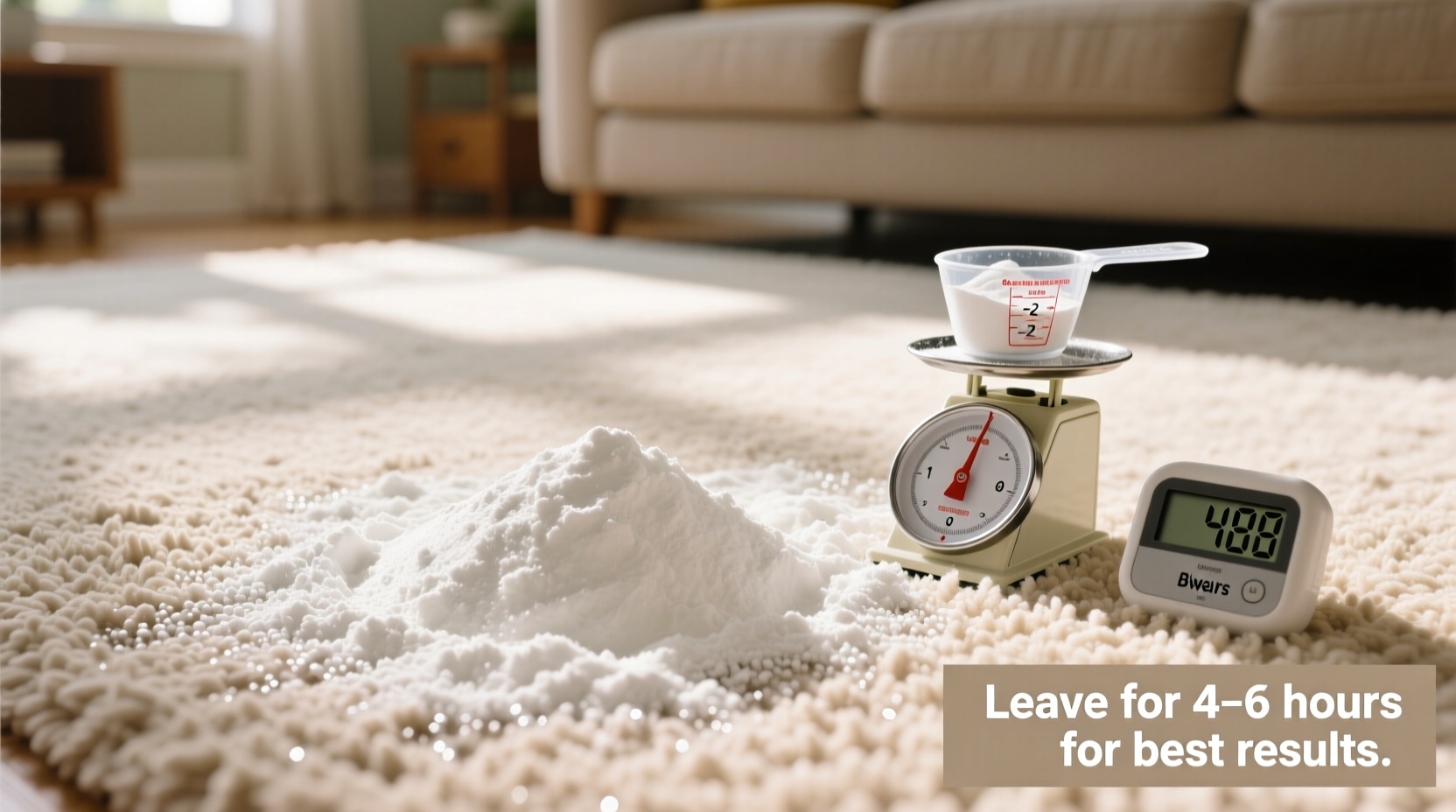
Baking soda, or sodium bicarbonate, is a mild alkaline compound that neutralizes acids and bases, which are often responsible for unpleasant odors. Unlike air fresheners that simply mask smells, baking soda chemically absorbs odor molecules at the source. When sprinkled onto carpet fibers, it penetrates deep into the pile where smells linger—especially those caused by pet accidents, food spills, sweat, or dampness.
The porous structure of baking soda allows it to trap volatile organic compounds (VOCs) released by decomposing organic matter, such as urine or spilled milk. Once absorbed, these compounds are locked within the baking soda particles, preventing them from re-entering the air you breathe. This makes baking soda not just a temporary fix but a functional cleaning agent in the battle against persistent odors.
“Baking soda is one of the few household items that actually changes the pH of odor-causing compounds, rendering them neutral and undetectable.” — Dr. Linda Chen, Environmental Health Scientist
Step-by-Step Guide: Using Baking Soda on Carpet
To get the best results, follow this detailed process. Proper application ensures maximum odor absorption and minimizes residue.
- Vacuum Thoroughly: Begin by removing loose dirt and debris. A clean surface allows baking soda to reach deeper into the carpet fibers.
- Sprinkle Evenly: Use a fine mesh shaker or your hands to distribute a thin, uniform layer of baking soda across the affected area. Avoid clumping—it reduces effectiveness and can be harder to vacuum up.
- Target High-Traffic Zones: Focus on areas near entryways, under furniture legs, pet resting spots, and any location with known odor issues.
- Let It Sit: Allow the baking soda to remain on the carpet for at least 15 minutes. For stronger odors, extend the time up to 24 hours. More time means deeper absorption.
- Vacuum Again: Use a high-suction vacuum with a HEPA filter if possible. Go over the area multiple times to ensure all powder is removed, especially in dense or shaggy carpets.
How Long Should You Leave Baking Soda on Carpet?
The ideal duration depends on the severity of the odor and your schedule. Here’s a breakdown of recommended exposure times:
| Odor Level | Recommended Time | Notes |
|---|---|---|
| Mild (everyday wear, light foot traffic) | 15–30 minutes | Sufficient for routine maintenance and minor freshness boost. |
| Moderate (pet presence, occasional spills) | 1–4 hours | Ideal for weekly upkeep; allows deeper penetration into fibers. |
| Strong (urine, vomit, moldy smell) | 8–24 hours | Best done overnight. Maximize contact time for stubborn organic odors. |
Leaving baking soda on carpet overnight is safe and highly effective. There’s no risk of damage to most carpet types when used correctly. However, avoid walking on the carpet during this period to prevent tracking powder into other rooms or embedding it unevenly.
Do’s and Don’ts When Using Baking Soda on Carpet
To avoid common mistakes and ensure optimal results, refer to this practical checklist:
| Do’s | Don’ts |
|---|---|
| ✔ Vacuum before and after application | ✖ Apply to wet or damp carpet (can clump and stain) |
| ✔ Use pure, food-grade baking soda | ✖ Mix with vinegar directly on carpet (creates foam, hard to clean) |
| ✔ Let it sit longer for tough odors | ✖ Skip vacuuming—residue attracts more dirt |
| ✔ Test on a small hidden area first | ✖ Use scented baking soda on wool or delicate fibers |
Mini Case Study: Eliminating Pet Urine Smell in a Family Living Room
The Thompson family had a recurring issue with their beige living room carpet after their puppy had a few accidents. Despite enzymatic cleaners, a faint ammonia smell returned each time the room warmed up. They decided to try baking soda as a final step after cleaning.
After blotting and treating the area with an enzyme cleaner, they sprinkled a generous layer of unscented baking soda over the entire section, focusing slightly on the accident zones. They let it sit for 12 hours overnight. The next morning, they vacuumed thoroughly using a motorized brush attachment. The result? No detectable odor remained—even when sunlight heated the carpet later that day. They repeated the process monthly as part of their cleaning routine and reported sustained freshness for over six months.
Enhancing Results: Combining Baking Soda with Other Methods
While baking soda alone is powerful, pairing it with complementary techniques boosts performance.
- Steam Cleaning Afterward: Once baking soda is vacuumed, a low-moisture steam clean can lift remaining residues and sanitize fibers without oversaturating the carpet.
- Air Circulation: Open windows or use fans during and after treatment to help carry away volatile compounds and speed drying if moisture was involved earlier.
- UV Light Exposure: If possible, allow sunlight to hit the carpet after vacuuming. UV rays naturally inhibit bacteria and mold that contribute to odors.
Note: Never combine baking soda and vinegar directly on carpet. While popular online, this mixture fizzes rapidly, pushing liquid and foam deep into padding, potentially leading to mold growth and residue buildup. If using both, apply vinegar first (as a cleaner), rinse thoroughly, dry completely, then apply baking soda separately as a deodorizer.
Frequently Asked Questions
Can baking soda damage my carpet?
No, baking soda will not damage most carpets when used properly. It’s non-corrosive and gentle on fibers. However, excessive amounts or incomplete vacuuming may attract dirt over time due to residual powder. Always vacuum thoroughly after treatment.
Is baking soda safe for pets and children?
Yes, baking soda is non-toxic and safe around pets and kids once fully vacuumed. During application, keep children and animals away to prevent inhalation of airborne particles or ingestion from licking the floor. Store unused baking soda out of reach.
Why does my carpet still smell after using baking soda?
If the odor persists, the source may lie beneath the carpet—in padding or subfloor. Pet urine, in particular, can seep through and require enzymatic treatments that break down uric acid crystals. In such cases, baking soda helps but doesn’t replace targeted biological cleaners. Consider professional inspection if smells return frequently.
Expert Tips for Long-Term Carpet Freshness
Maintaining odor-free carpets goes beyond one-time treatments. Incorporate these habits into your home care routine:
- Schedule Monthly Deodorizing: Treat high-use areas with baking soda every 4–6 weeks, even if no noticeable smell exists.
- Use Entryway Mats: Reduce tracked-in pollutants that degrade carpet quality over time.
- Rotate Furniture Periodically: Prevents uneven wear and allows trapped odors to escape from compressed fibers.
- Replace HVAC Filters Regularly: Dust and airborne contaminants settle into carpet; clean air filters reduce this load.
Conclusion: A Simple Solution with Lasting Impact
Using baking soda on carpet to remove odors is not only possible—it’s one of the most effective, affordable, and eco-friendly methods available. Whether dealing with everyday mustiness or lingering pet accidents, a well-applied layer of baking soda, left for the appropriate amount of time, can transform your indoor environment. By understanding how long to leave it—anywhere from 15 minutes to 24 hours depending on need—you gain control over your home's freshness without relying on harsh chemicals.
The beauty of this method lies in its simplicity and accessibility. With minimal effort and household resources, you can maintain cleaner, healthier living spaces. Start today: grab a box of baking soda, vacuum your carpet, sprinkle generously, and let nature do the rest. Your nose—and your guests—will thank you.




 浙公网安备
33010002000092号
浙公网安备
33010002000092号 浙B2-20120091-4
Comments
No comments yet. Why don't you start the discussion?