
Cast iron cookware is beloved for its durability, heat retention, and versatility. Induction cooktops, on the other hand, offer precision, speed, and energy efficiency. When these two meet, many home cooks wonder: can you safely use cast iron on an induction cooktop without causing scratches? The short answer is yes—but only if handled correctly. While cast iron is compatible with induction technology, improper use or maintenance can lead to surface damage. Understanding the science behind induction cooking, the nature of cast iron, and best practices for handling both will help preserve your investment in both cookware and appliance.
How Induction Cooking Works
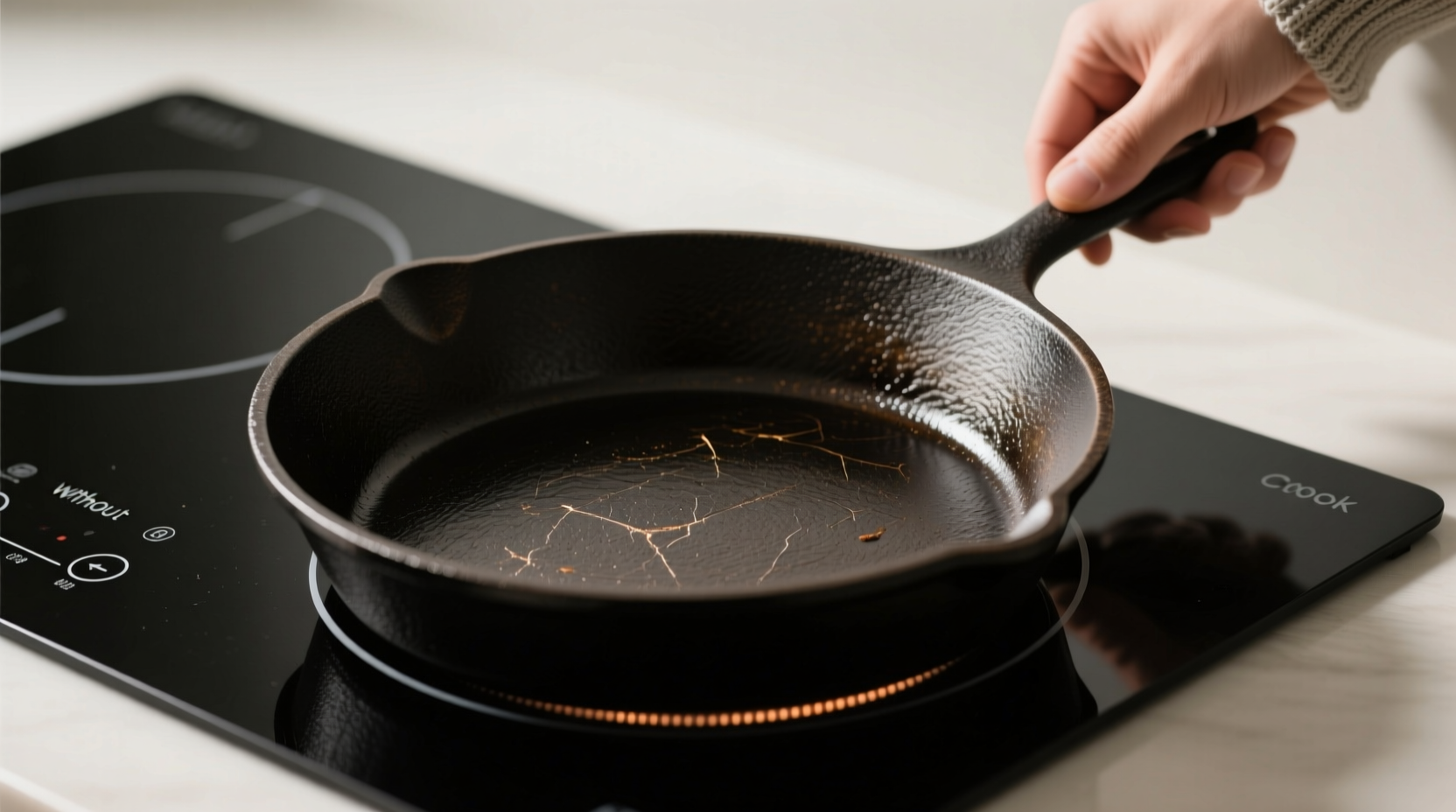
Induction cooktops generate heat through electromagnetic fields rather than open flames or electric coils. A copper coil beneath the ceramic glass surface creates a magnetic field that induces electrical currents in ferromagnetic cookware—like cast iron or magnetic stainless steel. These currents produce heat directly in the pan, not the cooktop, making the process highly efficient.
Because the cooktop itself doesn’t get as hot as traditional stovetops (only residual heat from the pan transfers to the surface), it’s crucial that the contact between pan and cooktop remains smooth and clean. Any debris, rough spots, or dragging motion can compromise the integrity of the glass surface, leading to scratches or even cracks over time.
The Role of Cookware Material
Cast iron is inherently magnetic, making it one of the most compatible materials for induction cooking. However, its weight and texture present unique challenges. Unlike polished stainless steel or enameled cookware, traditional seasoned cast iron often has a slightly rough exterior due to the manufacturing process. This texture, combined with trapped food particles or carbonized residue on the bottom, increases the risk of abrasion when moved across the glass surface.
“While cast iron performs exceptionally well on induction, users must be mindful of how they handle the cookware. A heavy skillet dragged across the surface is the most common cause of scratches—not the material itself.” — Dr. Lena Peterson, Materials Scientist & Appliance Consultant
Why Scratches Occur—and How to Prevent Them
Scratches on induction cooktops are typically caused by three factors: abrasive particles under the pan, lateral movement during cooking, and rough-bottomed cookware. None of these are inherent to cast iron, but all are preventable with proper care.
Common Causes of Scratching
- Debris on the cooktop: Dust, dried food, salt crystals, or metal fragments can act like sandpaper when a heavy pan is placed or slid over them.
- Dragging or sliding pans: Lifting is essential. Shifting a 8-lb skillet across the surface concentrates pressure along the edge, increasing friction and scratch risk.
- Rough seasoning buildup: Over time, layers of carbonized oil can create a bumpy, uneven surface on the bottom of older cast iron.
- Using damaged cookware: Pans with chipped enamel or warped bases may have sharp edges that catch on the glass.
Best Practices to Avoid Damage
- Clean the cooktop before and after each use with a soft cloth and a non-abrasive cleaner.
- Inspect the bottom of your cast iron for rough patches or stuck-on residue.
- Lift pans straight up and down when repositioning.
- Use a silicone or felt liner between the pan and cooktop if concerned about contact (see below).
- Avoid sudden temperature changes that could weaken the glass, such as placing a cold pan on a hot burner.
Choosing and Maintaining Cast Iron for Induction Use
Not all cast iron is created equal when it comes to induction compatibility. Some brands and models are smoother and better suited for glass surfaces. Additionally, regular maintenance plays a key role in minimizing abrasion.
Types of Cast Iron: What Works Best
| Type | Bottom Smoothness | Induction-Friendly? | Notes |
|---|---|---|---|
| Pre-Seasoned Modern Cast Iron (e.g., Lodge) | Moderate | Yes, with care | Often sanded; may still have minor texture. |
| Vintage/Unfinished Cast Iron | Rough | Risky | May require flattening or polishing for safe use. |
| Enameled Cast Iron (e.g., Le Creuset) | Smooth | Highly recommended | Glass-like finish reduces friction; lightweight options available. |
| Bare Cast Iron with Heavy Seasoning Buildup | Uneven/Rough | No | Strip and re-season if carbonized layers are flaking. |
Maintenance Tips for Safe Use
- Regularly inspect the base: Run your hand over the bottom of the pan. If it feels gritty or bumpy, cleaning or resurfacing may be needed.
- Re-season properly: Apply thin layers of oil and bake upside down to prevent pooling and buildup on the base.
- Flatten if necessary: For pans with warped or deeply pitted bottoms, consider professional grinding or DIY methods using sandpaper on flat surfaces.
- Avoid steel wool on the exterior: While useful for cleaning, aggressive scrubbing can leave metallic residue that may scratch upon contact.
Real-World Example: A Home Cook’s Experience
Sarah M., a culinary instructor in Portland, transitioned to an induction range two years ago and was initially hesitant to use her heirloom cast iron skillets. “I inherited a 1950s Griswold from my grandmother,” she explains. “It had a beautiful patina, but the bottom was rough in places. The first time I used it on induction, I heard a faint scraping sound when I rotated it. I panicked—thought I’d ruined the cooktop.”
She consulted a local appliance technician who advised her to clean the cooktop thoroughly and examine the pan’s base. She discovered carbonized oil flakes embedded in the seasoning. After stripping and re-seasoning the skillet with a smoother finish, she began lifting it instead of shifting it. “Now I use it weekly with zero issues. The key was realizing the problem wasn’t the material—it was how I was using it.”
Her experience underscores a broader truth: user habits matter more than cookware type when preventing damage.
Protective Accessories and Alternatives
For those who want extra peace of mind, several accessories can reduce direct contact between cast iron and the induction surface.
Options for Added Protection
- Induction Interface Discs: Metal plates designed to distribute heat and protect the surface. Not ideal for high-heat searing, as they reduce efficiency.
- Silicone Heat Diffusers: Flexible mats that cushion the pan and prevent scratching. Must be rated for high temperatures (typically up to 450°F).
- Felt or Microfiber Liners: Thin protective sheets placed under the pan. Ensure they’re completely dry and free of loose fibers.
“Silicone pads work well for simmering or low-temperature tasks, but I don’t recommend them for searing steaks or boiling water—they can degrade over time and trap moisture.” — Carlos Mendez, Appliance Repair Technician with 12 years of field experience
While these tools add a layer of safety, they are not substitutes for proper handling. They may also slightly reduce heating efficiency, so use them selectively.
Step-by-Step Guide: Safely Using Cast Iron on Induction
- Prepare the cooktop: Wipe the surface with a damp microfiber cloth and mild cleaner. Dry thoroughly.
- Inspect the pan: Check the bottom for debris, rust, or rough patches. Clean if needed with a soft brush or fine steel wool.
- Place the pan gently: Center it over the cooking zone without sliding.
- Cook as usual: Adjust heat gradually to avoid thermal shock.
- Reposition carefully: Lift the pan to move it. Never drag.
- Cool and clean: Allow the pan to cool before removing. Wipe the cooktop again to remove any residue.
- Store properly: Keep cast iron in a dry place with the lid off to prevent moisture buildup.
Frequently Asked Questions
Can enameled cast iron scratch an induction cooktop?
Enameled cast iron is less likely to scratch than bare cast iron because of its smooth, glass-like finish. However, if the enamel is chipped or the cooktop has debris, scratches can still occur. Always keep both surfaces clean and lift the pan when moving.
What should I do if my cast iron has a rough bottom?
You can smooth it out by lightly sanding with 200–400 grit wet/dry sandpaper on a flat surface. Work in circular motions until the texture evens out. Wash thoroughly afterward and re-season the pan to restore protection.
Is it safe to use cast iron on glass-ceramic cooktops that aren’t induction?
Many glass-ceramic cooktops support cast iron, but the same precautions apply: lift, don’t slide, and keep surfaces clean. However, traditional radiant glass tops are more prone to cracking from impact than induction models, so extra care is needed.
Checklist: Safe Cast Iron Use on Induction
- ✅ Clean cooktop before and after use
- ✅ Inspect pan bottom for debris or roughness
- ✅ Lift pans—never slide or drag
- ✅ Use enameled or well-maintained cast iron when possible
- ✅ Avoid high-impact placement (don’t “set down” heavily)
- ✅ Consider a silicone mat for delicate tasks
- ✅ Re-season pans regularly to prevent buildup
Final Thoughts
Using cast iron on an induction cooktop is not only possible—it’s often ideal. The excellent magnetic properties of cast iron ensure rapid and even heating, while its thermal mass complements the responsive control of induction. The risk of scratching is real, but entirely manageable with awareness and care. It’s not the material that damages the cooktop; it’s how it’s used.
By adopting simple habits—lifting instead of sliding, keeping surfaces clean, and maintaining your cookware—you can enjoy the best of both worlds: the timeless performance of cast iron and the modern precision of induction. With proper technique, your cooktop can remain pristine for years, and your cast iron will continue to improve with every use.




 浙公网安备
33010002000092号
浙公网安备
33010002000092号 浙B2-20120091-4
Comments
No comments yet. Why don't you start the discussion?