
For years, people with oily skin have been told to avoid oils at all costs. The logic seemed simple: oily skin produces too much sebum, so adding oil would only make things worse. But modern dermatology and skincare science are rewriting that narrative. In fact, the right facial oils can actually help regulate oil production, strengthen the skin barrier, and prevent breakouts—without clogging pores.
The key lies not in avoiding oils altogether, but in understanding your skin’s needs, choosing the right ingredients, and applying them correctly. Contrary to popular belief, stripping the skin of all moisture with harsh cleansers often backfires, prompting it to produce even more oil. A well-formulated facial oil can restore balance, soothe inflammation, and improve overall skin health—even for those prone to shine and acne.
The Science Behind Oily Skin and Facial Oils
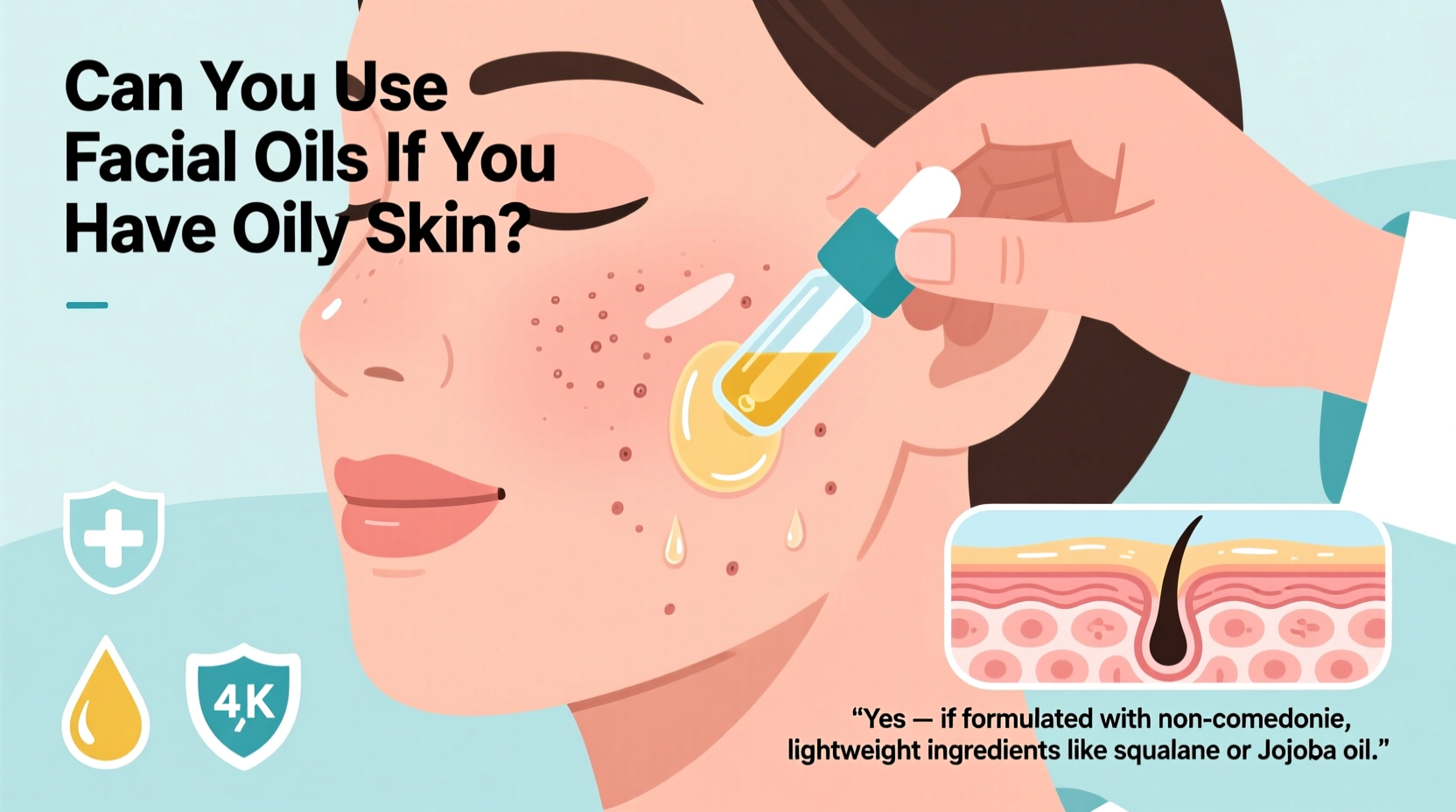
Oily skin results from overactive sebaceous glands producing excess sebum. While genetics play a major role, factors like hormones, stress, diet, and environmental aggressors can also influence oil production. When the skin’s protective barrier is compromised—often due to aggressive cleansing or over-exfoliation—it triggers a compensatory response: more oil.
Facial oils work by reinforcing this lipid barrier. They don’t just sit on top of the skin; many penetrate into the upper layers, delivering essential fatty acids and antioxidants. Some oils even mimic the composition of human sebum, helping to “trick” the skin into reducing its own oil output through a process called feedback inhibition.
“Using the right facial oil can be transformative for oily skin. It’s not about eliminating oil—it’s about balancing it.” — Dr. Lena Park, Board-Certified Dermatologist
Non-comedogenic oils—those proven not to clog pores—are especially effective. These lightweight, fast-absorbing oils deliver hydration without contributing to congestion or acne formation. In clinical settings, patients with oily, acne-prone skin have reported fewer breakouts and reduced shine after incorporating specific oils into their routines.
Best Facial Oils for Oily Skin (And Which to Avoid)
Not all oils are created equal. Some are heavy and pore-clogging, while others are remarkably light and beneficial. Here’s a breakdown of oils that are safe and effective for oily skin:
| Oil Type | Comedogenic Rating (0–5) | Benefits for Oily Skin | Key Components |
|---|---|---|---|
| Squalane (plant-derived) | 0 | Lightweight, mimics skin’s natural oils, reduces excess sebum | Polyunsaturated fats, antioxidant properties |
| Jojoba Oil | 2 | Molecularly similar to sebum, regulates oil production | Wax esters, anti-inflammatory compounds |
| Niacinamide-infused oils | Varies (base oil dependent) | Reduces sebum, minimizes pores, calms redness | Vitamin B3, often blended with squalane |
| Grapeseed Oil | 1–2 | Astringent-like effect, high in linoleic acid | Omega-6 fatty acids, proanthocyanidins |
| Tea Tree Oil (diluted) | 1 (when diluted) | Antibacterial, targets acne-causing bacteria | Terpinen-4-ol, potent antimicrobial agent |
Oils to avoid if you have oily or acne-prone skin include coconut oil (comedogenic rating of 4), wheat germ oil (5), and cocoa butter (4). These are highly occlusive and can trap debris in pores, leading to blackheads and breakouts.
How to Use Facial Oils Without Causing Breakouts
Even the best oil can cause issues if used incorrectly. Here’s a step-by-step guide to integrating facial oils safely into an oily skin routine:
- Cleanse gently. Use a mild, pH-balanced cleanser that removes impurities without stripping the skin. Avoid sulfates and alcohol-heavy formulas.
- Tone (optional). Apply a hydrating toner with ingredients like witch hazel or niacinamide to prep the skin.
- Apply serums. Use water-based treatments first—like vitamin C or hyaluronic acid—while the skin is still damp.
- Use 2–3 drops of oil. This is usually enough for the entire face. Warm between fingertips and press—not rub—onto the skin.
- Follow with moisturizer (if needed). Many find oils sufficient, but if using a moisturizer, choose a gel-based, oil-free formula.
- Apply at night initially. Start with evening use to monitor how your skin reacts overnight.
Overuse is a common mistake. More oil doesn’t mean better hydration—it can overwhelm pores. Begin with every other night, then adjust based on how your skin feels in the morning. If your skin feels tight, flaky, or paradoxically oilier, you may need to reduce frequency or switch oils.
Real Example: Maria’s Journey with Jojoba Oil
Maria, a 28-year-old graphic designer, struggled with oily T-zone and frequent hormonal breakouts. She avoided all oils, relying instead on mattifying gels and clay masks. Her skin felt tight by midday, yet still broke out along the jawline.
After consulting a dermatologist, she was advised to try jojoba oil. Skeptical but willing, she began applying two drops nightly after her hyaluronic acid serum. Within two weeks, she noticed her morning shine had decreased. By week four, her skin felt more balanced—less greasy, fewer clogged pores, and improved texture.
“I thought I was doing everything right by avoiding oil,” Maria said. “But my skin was rebelling because it was dehydrated. Now I use jojoba oil daily, and my breakouts have dropped by half.”
This case illustrates a common misconception: oily skin isn’t necessarily over-hydrated. Often, it’s dehydrated underneath, prompting excess oil as compensation.
Myths vs. Facts About Oils and Oily Skin
- Myth: All oils clog pores.
Fact: Only comedogenic oils do. Non-comedogenic oils like squalane and grapeseed are safe and beneficial. - Myth: Oily skin doesn’t need moisturizing.
Fact: Dehydration triggers more oil. Proper hydration helps regulate sebum. - Myth: Facial oils cause acne.
Fact: Poorly chosen oils or overuse can contribute, but many oils have anti-acne properties. - Myth: You should only use oils in winter.
Fact: Lightweight oils are suitable year-round, even in humid climates.
Frequently Asked Questions
Can facial oils replace my moisturizer?
Yes, for some people. Lightweight oils like squalane or jojoba can act as a moisturizing layer, especially when applied over damp skin. However, if you live in a dry climate or have combination skin, you may still benefit from a light moisturizer on top.
Will using oil make my skin shinier during the day?
Not necessarily. If you use a non-greasy, fast-absorbing oil and apply it sparingly, it shouldn’t increase surface shine. In fact, many users report less midday oiliness after consistent use, as the skin becomes better balanced.
Can I use facial oil if I wear sunscreen and makeup?
Absolutely—but timing matters. Apply oil as the last step in your skincare routine, before sunscreen. Allow 1–2 minutes for absorption to prevent pilling under makeup. For daytime, consider mixing a drop into your foundation for a dewy finish without heaviness.
Checklist: How to Safely Introduce Facial Oils into Your Routine
- ✅ Identify your skin type and concerns (oily, acne-prone, combination)
- ✅ Choose a non-comedogenic oil (e.g., squalane, jojoba, grapeseed)
- ✅ Perform a patch test on a small area for 48 hours
- ✅ Start with 2–3 drops, applied at night
- ✅ Layer correctly: after water-based serums, before moisturizer (if used)
- ✅ Monitor skin response: look for reduced breakouts, balanced oil, improved texture
- ✅ Adjust frequency: daily use may be ideal once tolerance is established
“The idea that oily skin must be stripped clean is outdated. Modern skincare focuses on balance, not elimination.” — Dr. Rajiv Mehta, Clinical Skincare Researcher
Final Thoughts: Rethinking Oil for Oily Skin
The relationship between facial oils and oily skin isn’t one of conflict—it’s one of harmony. When used wisely, oils can correct imbalances, enhance resilience, and reduce reliance on drying products that worsen the very issues they aim to fix.
The breakthrough comes when we stop seeing oil as the enemy and start viewing it as a tool. Just as a car needs the right kind of lubricant to run smoothly, your skin needs the right lipids to function optimally. Choosing smart, science-backed oils transforms skincare from damage control into long-term maintenance.
If you’ve avoided oils out of fear, consider this an invitation to experiment—with caution, clarity, and confidence. Your skin might not just tolerate facial oils; it could thrive because of them.




 浙公网安备
33010002000092号
浙公网安备
33010002000092号 浙B2-20120091-4
Comments
No comments yet. Why don't you start the discussion?