
Walking long distances—whether on city sidewalks, hiking trails, or during travel—puts significant demands on your feet and lower body. Choosing the right footwear isn't just about comfort; it's a critical factor in preventing pain, fatigue, and long-term injury. Many people assume that because running shoes are designed for high-impact activity, they must be ideal for extended walking too. But is this assumption valid? The answer isn’t straightforward, and understanding the biomechanics, design differences, and real-world implications can make all the difference in how your feet feel after 10,000 steps.
The Biomechanical Difference: Running vs. Walking
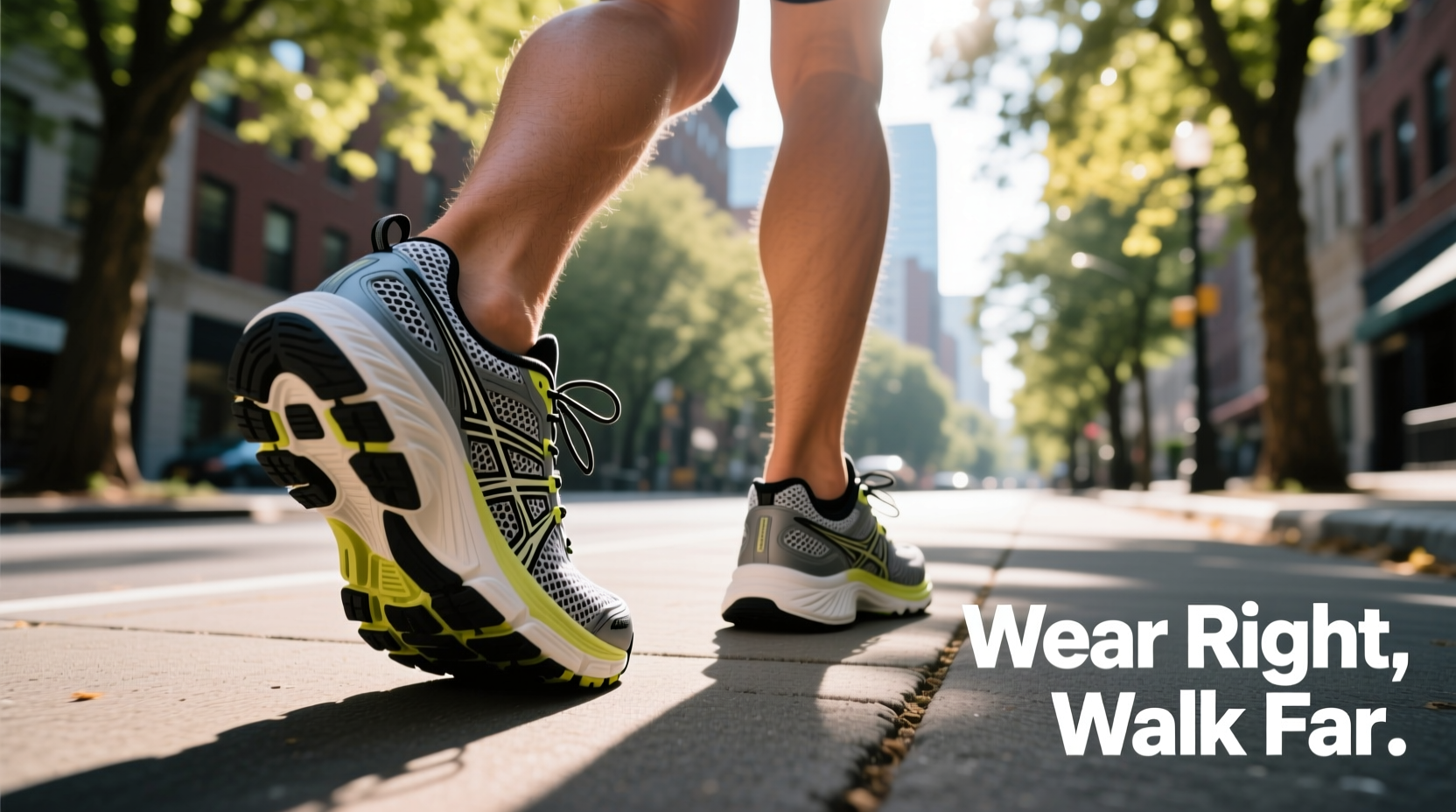
At first glance, running and walking may seem like variations of the same motion. However, they differ significantly in gait cycle, foot strike pattern, and force distribution. When running, each step involves a flight phase where both feet leave the ground, followed by a high-impact heel or midfoot strike. Running shoes are engineered to absorb these repeated shocks, typically featuring elevated cushioning in the heel and responsive midsoles.
Walking, in contrast, maintains one foot on the ground at all times. The gait is smoother, with a heel-to-toe roll that places different stress patterns on the shoe. The heel strikes first, then the foot rolls forward through the arch and pushes off from the ball of the foot and toes. This means walking generates less vertical impact but more forward propulsion and torsional stress along the sole.
Because of these differences, a shoe optimized for running may not provide the ideal support or flexibility needed for efficient, comfortable walking over long periods. Over time, mismatched footwear can lead to issues like plantar fasciitis, Achilles tendon strain, or metatarsal pain.
“While running shoes offer excellent cushioning, their stiffness and aggressive heel drop can disrupt natural walking mechanics, especially over miles.” — Dr. Lena Torres, Podiatrist and Gait Specialist
Design Features: Where Running Shoes Excel—and Fall Short—for Walking
Running shoes are built with specific performance goals in mind: shock absorption, energy return, stability during rapid transitions, and lightweight durability. These features benefit runners but don’t always translate well to walking.
Let’s break down key design elements:
- Cushioning: Often excessive in running shoes, especially in the heel. While this protects against impact during running, it can make walking feel unstable or “spongy,” reducing proprioception (your foot’s sense of ground contact).
- Heel-to-Toe Drop: Most running shoes have a 8–12mm drop (the height difference between heel and forefoot). Walking naturally favors a lower drop (4–8mm) to encourage a smoother heel-to-toe transition.
- Flexibility: Running shoes tend to be stiffer, particularly in the forefoot, to control motion during toe-off. Walkers need more flexibility in the ball of the foot to accommodate prolonged rolling motion.
- Weight: Performance-oriented running shoes often use lightweight foams and materials, which is beneficial. However, some models sacrifice structural integrity for weight savings, leading to premature breakdown under constant walking loads.
- Arch Support & Stability: Many running shoes include medial posts or dual-density midsoles to correct overpronation. While helpful for some, these can feel restrictive or misaligned for neutral walkers.
When Running Shoes Work Well for Long-Distance Walking
Despite the biomechanical mismatches, there are scenarios where running shoes perform admirably for walking:
- On Hard Surfaces: Concrete, asphalt, or tile floors amplify impact over time. The superior cushioning in running shoes can reduce fatigue and joint stress in urban environments or shopping marathons.
- For People with Joint Pain: Individuals with knee, hip, or back discomfort may benefit from the shock absorption built into modern running shoes, even during walking.
- Limited Footwear Options: Travelers or hikers who carry minimal gear often rely on one pair for multiple activities. A versatile running shoe can serve adequately if no dedicated walking shoe is available.
- Fast-Paced Walking or Power Walking: When walking approaches jogging speeds (4.5+ mph), the gait becomes more dynamic. In these cases, running shoes align better with movement patterns.
In fact, many popular \"walking\" shoes are essentially rebranded running models with minor tweaks. Brands like Brooks, ASICS, and New Balance often share platforms across both categories, adjusting only the outsole pattern or upper material.
When It’s Asking for Trouble
Using running shoes for walking isn’t inherently dangerous—but doing so without consideration for fit, usage, and individual biomechanics can lead to problems. Here are common risk factors:
- Poor Fit: Even the best shoe fails if it doesn’t fit properly. Running shoes often have snug heels and narrow toe boxes, which can cause blisters, numbness, or bunions during extended wear.
- Over-Cushioning: Excess softness can destabilize the foot, forcing smaller muscles to work harder to maintain balance. This leads to arch fatigue and cramping over time.
- Lack of Breathability: Some running shoes prioritize structure over ventilation, trapping heat and moisture. This increases friction and raises the risk of fungal infections or maceration (skin breakdown).
- Worn-Out Cushioning: Running shoes degrade faster under continuous load. A shoe past its prime may look fine externally but has lost internal support, increasing injury risk.
Mini Case Study: The Urban Commuter
Sarah, a 34-year-old office worker in Chicago, walks nearly 8 miles daily between her apartment, transit stops, and workplace. She initially wore her old running shoes, assuming they’d protect her joints. Within two weeks, she developed sharp pain in her left Achilles tendon. After visiting a physical therapist, she learned her shoes’ 10mm heel drop was shortening her calf muscles and straining her tendon during the push-off phase of walking. Switching to a walking shoe with a 6mm drop and softer forefoot flex eliminated her pain within ten days.
Comparison Table: Running Shoes vs. Walking Shoes
| Feature | Running Shoes | Walking Shoes |
|---|---|---|
| Heel-to-Toe Drop | 8–12mm | 4–8mm |
| Cushioning Level | High (especially in heel) | Moderate, evenly distributed |
| Forefoot Flexibility | Moderate to stiff | High (designed for toe-off roll) |
| Outsole Pattern | Durable rubber, multidirectional lugs | Smoother, linear tread for forward motion |
| Weight | Light to moderate | Moderate (prioritizes support over speed) |
| Best For | Impact protection, speed, varied terrain | Stability, endurance, repetitive heel-to-toe motion |
Actionable Checklist: How to Safely Use Running Shoes for Walking
If you plan to use running shoes for long-distance walking, follow this checklist to minimize risk:
- ✅ Measure your feet before buying—size can change over time or vary by brand.
- ✅ Choose a model with a heel drop of 8mm or less.
- ✅ Test flexibility: bend the shoe upward; it should crease near the ball of the foot, not the middle.
- ✅ Ensure ample toe box space—minimum half-inch between longest toe and end of shoe.
- ✅ Break them in gradually: start with 1–2 hours of walking before attempting full-day use.
- ✅ Replace every 300–500 miles, even if the tread looks intact—cushioning degrades internally.
- ✅ Pair with moisture-wicking socks to prevent blisters and odor buildup.
Expert Recommendations for Long-Distance Comfort
Podiatrists and footwear specialists emphasize that the best shoe is the one that matches your foot type and activity demands. According to Dr. Alan Meeks, a sports medicine podiatrist:
“The human foot wasn’t designed for 20,000 steps on concrete. Whether you choose a running or walking shoe, focus on alignment, support, and minimizing abnormal stress. Custom orthotics or insoles can bridge the gap when off-the-shelf options fall short.” — Dr. Alan Meeks, DPM
Experts also recommend rotating two pairs of shoes if walking daily. Alternating allows materials to decompress and dry fully between uses, extending lifespan and hygiene.
Frequently Asked Questions
Can I use my running shoes for walking every day?
Yes, but with caveats. If the shoe fits well, has moderate cushioning, and a lower heel drop, it can work for daily walking. However, expect reduced longevity compared to a dedicated walking shoe due to differing wear patterns. Monitor for signs of discomfort or uneven sole wear.
Are walking shoes just glorified running shoes?
In many cases, yes. Major brands often use the same midsole platforms for both categories. The main differences lie in outsole design, upper construction, and marketing. True walking shoes usually feature greater forefoot flexibility and flatter profiles tailored to heel-to-toe progression.
How do I know if my running shoes are harming my feet during walks?
Warning signs include persistent heel or arch pain, numbness in toes, recurrent blisters, or visible wear concentrated on the outer heel or inner forefoot. If you notice any of these, reassess your footwear choice and consider a gait analysis from a specialty store or clinic.
Step-by-Step Guide: Transitioning to Long-Distance Walking
- Assess Your Needs: Determine average distance, terrain, and duration of walks.
- Get Fitted Professionally: Visit a specialty running or walking store for a foot scan and gait analysis.
- Select Based on Mechanics: Choose a shoe that matches your arch type (flat, neutral, high) and stride pattern (neutral, overpronated).
- Test Before Committing: Walk on inclined surfaces, stairs, and hard floors in-store to simulate real conditions.
- Break Them In: Wear new shoes for 1–2 hours daily, gradually increasing to full-day use over 7–10 days.
- Monitor and Maintain: Check for wear, wash laces and insoles weekly, and replace before cushioning collapses.
Conclusion: Make an Informed Choice
Wearing running shoes for walking long distances isn’t inherently problematic—but it’s not universally advisable either. The decision should depend on the specific shoe, your biomechanics, and walking conditions. While many people successfully use running shoes for walking, others experience discomfort due to mismatched design features. By understanding the differences in gait, selecting appropriate models, and listening to your body, you can avoid unnecessary strain and enjoy pain-free miles.
Don’t assume that more cushioning or a familiar brand guarantees comfort. Invest time in finding the right fit and function. Your feet carry you every day; treat them with the care they deserve.




 浙公网安备
33010002000092号
浙公网安备
33010002000092号 浙B2-20120091-4
Comments
No comments yet. Why don't you start the discussion?