
In a world saturated with fast fashion and endless choices, many men are discovering the quiet power of simplicity. A capsule wardrobe isn’t about deprivation—it’s about intention. It’s curating a compact collection of high-quality, versatile pieces that work seamlessly together, reducing decision fatigue and elevating your everyday style. The result? You look better, feel more confident, and spend less time thinking about what to wear.
The concept originated in the 1970s with designer Susie Faux, who envisioned a year-round wardrobe of around 30 interchangeable items. Today, it’s been refined by minimalists, stylists, and working professionals who value efficiency and elegance. For men, a well-built capsule wardrobe means no more staring into a full closet with “nothing to wear.” Instead, every piece pulls its weight—functionally, stylistically, and emotionally.
Why a Capsule Wardrobe Works for Men
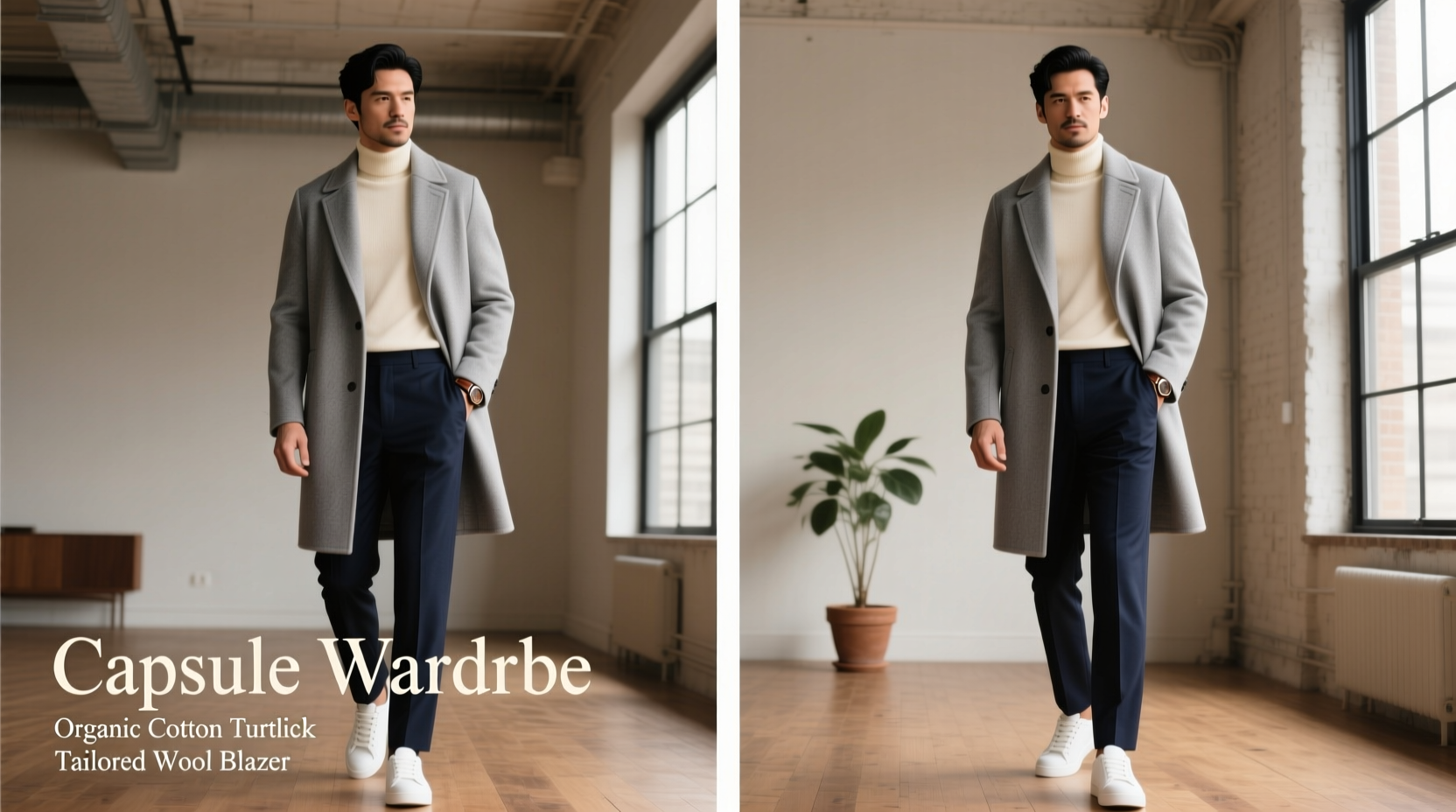
Men’s fashion often follows structured silhouettes and neutral palettes, making it especially suited to the capsule approach. Unlike trends-driven wardrobes, a capsule focuses on timeless design, quality fabrics, and fit. This shift brings several tangible benefits:
- Saves time: Fewer choices mean faster morning routines.
- Reduces spending: Investing in fewer, better-made garments eliminates impulse buys.
- Increases confidence: Knowing everything you own looks good on you reduces second-guessing.
- Promotes sustainability: Less consumption means less waste and a smaller environmental footprint.
- Enhances versatility: Mix-and-match potential means more outfits from fewer items.
“Simplicity is the ultimate sophistication.” — Leonardo da Vinci
This principle applies perfectly to men’s style. A minimalist wardrobe doesn’t mean boring—it means intentional. When each piece is chosen for its utility, durability, and aesthetic harmony, the whole becomes greater than the sum of its parts.
Building Your Capsule: Step-by-Step Guide
Creating a capsule wardrobe isn’t just about cutting down clothes—it’s about building up a system. Follow this six-step process to construct a functional, stylish foundation that lasts.
- Assess Your Lifestyle
Start by evaluating your daily activities. Do you work in an office, a creative studio, or remotely? How often do you attend formal events, travel, or exercise? Your wardrobe should reflect reality, not aspiration. - Audit Your Current Closet
Remove everything from your closet and lay it out. Try on each item. Keep only what fits well, is in good condition, and makes you feel confident. Donate or sell the rest. Be ruthless—sentiment has no place in a functional wardrobe. - Define Your Color Palette
Choose a cohesive range of colors that work together. A typical male capsule uses neutrals: navy, charcoal, beige, white, black, and olive. Add one or two accent colors (like burgundy or forest green) if desired. Avoid loud patterns or clashing hues. - Select Core Categories
Divide your wardrobe into essential categories: shirts, trousers, outerwear, footwear, and accessories. Each category should have 2–4 high-quality pieces. - Prioritize Quality Over Quantity
Opt for natural fabrics like cotton, wool, linen, and leather. Look for sturdy stitching, reinforced seams, and minimal branding. These details ensure longevity and comfort. - Limit Total Items
A standard capsule contains 30–40 pieces, including shoes and outerwear. Some prefer as few as 25. The key is sustainability—can you live comfortably with these items for 3–6 months?
Essential Pieces for a Men’s Capsule Wardrobe
A successful capsule relies on foundational items that mix effortlessly. Below is a breakdown of must-have categories and specific recommendations.
| Category | Recommended Items | Notes |
|---|---|---|
| Shirts (Casual) | 2x Oxford button-downs (white, blue), 3x Plain tees (white, grey, black) | Oxfords can be dressed up or down; tees should be heavyweight cotton. |
| Dress Shirts | 2x Spread-collar dress shirts (white, light blue) | Ideal for interviews, meetings, or smart-casual events. |
| Knitwear | 1x Crewneck sweater (navy or charcoal), 1x V-neck (grey) | Layer over shirts or tees; merino wool offers breathability and warmth. |
| Trousers | 1x Chinos (khaki), 1x Dark denim, 1x Wool trousers (charcoal) | Chinos for casual days; wool for winter formality. |
| Jackets | 1x Blazer (navy), 1x Field jacket (olive), 1x Overcoat (black or camel) | Navy blazer is non-negotiable; works with nearly everything. |
| Footwear | 1x Oxfords (black), 1x Chukka boots (brown), 1x Minimalist sneakers (white) | Rotate shoes to extend lifespan; leather lasts longer than synthetics. |
| Accessories | 1x Leather belt (brown/black), 1x Silk tie, 1x Watch, 1x Sunglasses | Accessories define polish. Choose timeless designs. |
This list totals approximately 28 core items. Add socks, underwear, sleepwear, and gym clothes separately—they don’t count toward the capsule limit. The goal is to create at least 15 distinct, appropriate outfits using only these pieces.
Real Example: Mark’s Transformation
Mark, a 34-year-old software developer in Portland, used to spend 20 minutes every morning choosing an outfit. His closet overflowed with graphic tees, ill-fitting jeans, and seasonal jackets he never wore. After reading about capsule wardrobes, he decided to try a 30-day minimalist challenge.
He started by removing 68 items from his closet—mostly duplicates, stretched-out shirts, and forgotten gifts. He kept only what he’d worn in the past six months. Then, he invested $400 in five key upgrades: a navy blazer, dark chinos, merino t-shirts, brown chukkas, and a charcoal crewneck.
Within two weeks, Mark noticed changes. He was leaving the house faster. Colleagues commented on his improved appearance. He stopped online shopping out of boredom. Most importantly, he felt more in control. “I don’t stress about looking sloppy,” he said. “I know every single thing I own works.”
His current capsule: 32 pieces. He rotates seasonally but keeps the core consistent. He now spends under $200 a year on clothing—down from $1,200.
Do’s and Don’ts: Common Pitfalls to Avoid
Even with the best intentions, mistakes happen. Here’s a quick-reference table to keep your capsule effective and sustainable.
| Do’s | Don’ts |
|---|---|
| Choose clothes that fit impeccably—tailor when necessary. | Keep ill-fitting items “just in case” they fit later. |
| Wear each piece regularly; rotate to prevent neglect. | Buy something because it’s on sale, not because it fits the system. |
| Stick to a consistent color scheme for maximum compatibility. | Add bright or trendy pieces that clash with the rest. |
| Invest in natural fibers—they age better and smell less. | Overload on synthetic blends that pill and retain odors. |
| Store clothes properly: use wooden hangers, breathable bags, and cedar blocks. | Leave clothes crumpled in drawers or damp in closets. |
“A man should look as if he has bought his clothes with intelligence, put them on with care, and then forgotten all about them.” — Hardy Amies, former dresser to Queen Elizabeth II
Seasonal Rotation & Maintenance
A capsule isn’t static. As seasons change, so should your accessible wardrobe. However, rotation should be strategic—not impulsive.
In spring, swap heavy wool trousers for lightweight chinos and replace the overcoat with a denim jacket. Summer calls for linen shirts, short-sleeve polos, and breathable loafers. Fall reintroduces layers: sweaters, flannel shirts, and water-resistant boots. Winter demands insulation: thermal base layers, thick knitwear, and a warm coat.
The key is to store off-season items properly. Clean everything before storing. Use vacuum-sealed bags for bulky winter wear, but avoid compressing wool or knits too tightly. Store in a cool, dry space away from sunlight. Cedar blocks deter moths naturally.
Frequently Asked Questions
Can I include patterned shirts or colored pants?
Yes, but sparingly. One subtle check shirt or a pair of olive chinos can add variety without breaking cohesion. Ensure patterns are small and colors align with your palette. Avoid anything that limits pairing options.
How do I handle special occasions like weddings or job interviews?
Your capsule covers 90% of needs. For rare events, rent or borrow formalwear. A tuxedo worn once a year isn’t worth owning. Alternatively, ensure your navy blazer, white shirt, and dark trousers are polished enough for semi-formal settings.
What if my workplace is very casual or very formal?
Adjust proportions accordingly. In a tech startup, emphasize premium tees, clean sneakers, and unstructured jackets. In finance or law, prioritize tailored dress shirts, suits, and oxfords. The capsule adapts—it doesn’t dictate.
Checklist: Launch Your Capsule Wardrobe
Follow this actionable checklist to build your capsule in under a week:
- ☐ Empty your closet and sort items into “Keep,” “Donate,” “Repair,” “Unsure”
- ☐ Wear only “Keep” items for three days to test confidence and comfort
- ☐ Define your primary color palette (5–6 core colors max)
- ☐ List missing essentials based on lifestyle needs
- ☐ Set a budget for new purchases (aim for $300–$600 total)
- ☐ Shop intentionally—focus on fit, fabric, and versatility
- ☐ Tailor any garments that need adjustment
- ☐ Organize your closet by category and frequency of use
- ☐ Take inventory photos for reference and motivation
- ☐ Reassess after 30 days: note gaps, overused items, or redundancies
Final Thoughts: Style Is a System, Not a Spree
The most stylish men aren’t those with the most clothes, but those who master the art of repetition with variation. A capsule wardrobe teaches discipline, clarity, and self-awareness. It shifts focus from consumption to curation—from chasing trends to building identity.
You don’t need 50 shirts to look good. You need five that fit perfectly, complement each other, and reflect who you are. When you reduce the noise, your style speaks louder.




 浙公网安备
33010002000092号
浙公网安备
33010002000092号 浙B2-20120091-4
Comments
No comments yet. Why don't you start the discussion?