
Leaving a spare car key outside is a common practice—whether for family members, trusted neighbors, or emergency access. But doing it securely is critical. Two popular options dominate the market: car keychain padlocks and magnetic key hidder boxes. While both promise discreet and accessible storage, they differ significantly in design, security, and reliability. Understanding these differences can prevent theft, loss, or lockouts.
Many people assume that hiding a key under a flowerpot or inside a fake rock is safe enough. It’s not. Thieves know these tricks. Purpose-built solutions like padlock-style keychains and magnetic key holders aim to offer better protection. But which one actually delivers?
How Car Keychain Padlocks Work
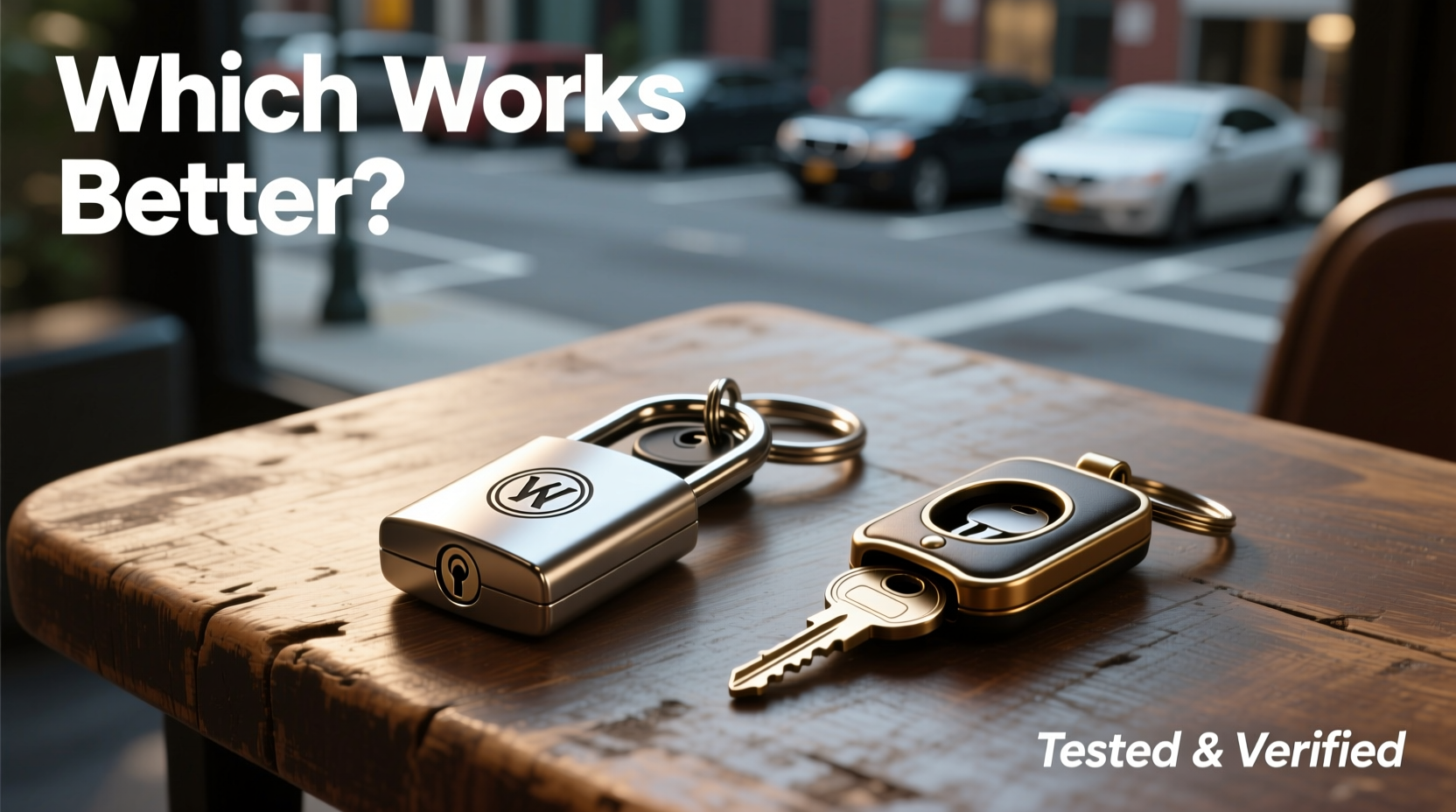
A car keychain padlock is a compact, lockable container that attaches directly to your keyring. The spare key is stored inside a small metal or plastic body, which is then secured with a combination or keyed lock. These devices are typically no larger than a thumb drive and weigh only a few ounces.
The main appeal lies in portability and integration. Since it’s attached to your existing keyring, you’re less likely to forget or misplace it. Some models use 4-digit combination dials; others require a tiny key to open. Either way, access is limited to those who know the code or have the key.
Pros of Keychain Padlocks
- Always with your keys—no risk of forgetting it at home
- Highly portable and lightweight
- Difficult to detect when closed (no obvious shape)
- Inexpensive, often under $15
Cons of Keychain Padlocks
- Limited space—only fits one small key
- Vulnerable to brute-force if using weak combinations
- Can be lost if entire keyring is misplaced
- Metal versions may scratch other keys over time
How Magnetic Key Hiders Actually Perform
Magnetic key hidder boxes are small, weatherproof containers made of durable ABS plastic or aluminum alloy, equipped with strong neodymium magnets. They’re designed to attach securely to hidden metal surfaces on vehicles—such as frames, under bumpers, behind wheel wells, or near suspension components.
These units typically hold one full key fob or multiple traditional keys. Their strength lies in concealment and separation: the key isn’t on your person, so losing your keyring doesn’t mean losing access.
Installation involves choosing a discreet but accessible spot on the vehicle’s chassis. Most users report installation times under five minutes. Once mounted, the box blends into the undercarriage and remains invisible unless specifically searched for.
“Magnetic key boxes work best when placed asymmetrically—not centered under the bumper where thieves might look first.” — Derek Langston, Automotive Security Consultant
Pros of Magnetic Key Hiders
- High-capacity storage (fits full key fobs)
- Stays with the car—accessible even if keys are lost
- Strong magnets resist vibration and water exposure
- Reusable and long-lasting (some rated for 10+ years)
Cons of Magnetic Key Hiders
- Requires careful placement to avoid detection
- Not suitable for all vehicles (e.g., aluminum-bodied cars)
- Potential rust or corrosion in wet climates if low-quality
- Can attract debris like mud or road grime over time
Direct Comparison: Keychain Padlock vs Magnetic Hider
| Feature | Keychain Padlock | Magnetic Key Hider |
|---|---|---|
| Portability | Excellent – always on keyring | Poor – fixed to vehicle |
| Storage Capacity | Low – usually one flat key | High – holds full fobs or multiple keys |
| Security Level | Moderate – vulnerable to guessing or cutting | High – hidden location + physical concealment |
| Durability | Good – metal models last years | Excellent – weather-resistant, UV-stable materials |
| Risk if Primary Keys Lost | High – spare is also gone | Low – spare remains with vehicle |
| Average Price | $8–$15 | $12–$25 |
Real-World Scenario: When Each Option Fails or Succeeds
Consider Sarah, a rideshare driver who frequently lends her car to her sister for errands. She initially used a keychain padlock clipped to her main keyring. One evening, she left her keys at a friend’s house and couldn’t retrieve them until morning—stranding her from work. Her backup was inaccessible because it traveled with the primary set.
After switching to a magnetic hider mounted beneath the rear driver-side frame rail, she gained independence. Even when she misplaced her keys, she could still access the vehicle remotely. More importantly, during a recent break-in attempt (her window was smashed), the thief never found the spare—because it wasn’t inside the car or near obvious hiding spots.
In contrast, Mark, an elderly retiree, prefers simplicity. He keeps a basic keychain padlock on his ring for his daughter to use when visiting. He rarely drives far and always knows where his keys are. For him, the magnetic option adds unnecessary complexity. His low-risk lifestyle makes the padlock sufficient.
Step-by-Step Guide to Choosing & Installing the Right Solution
- Evaluate Your Risk Profile: Do you often lose keys? Travel frequently? Share your car? High mobility favors magnetic hidder.
- Check Vehicle Compatibility: Use a magnet test. If a fridge magnet sticks firmly to your car’s underside, a hider will likely hold.
- Select Placement (for magnetic): Look for recessed areas away from airflow and spray—behind control arms or inside crossmembers.
- Clean & Dry Mounting Surface: Wipe area with alcohol to ensure maximum adhesion and prevent moisture trapping.
- Test Accessibility: Lie down and try retrieving the key. Can you do it quickly in rain or dark? Adjust position if needed.
- Set Combination or Store Key Safely: If using a padlock, choose a memorable but non-obvious code. Never write it near the device.
- Inspect Monthly: Check for corrosion, looseness, or debris buildup—especially after winter or heavy rain.
Frequently Asked Questions
Can thieves easily find magnetic key hidder boxes?
While possible, most opportunistic thieves won’t spend time crawling under a car. Professional auto thieves focus on electronics and speed, not hidden mechanical keys. Proper placement—off-center and obscured by structure—reduces risk significantly.
Are keychain padlocks pickable?
Simple combination models can be manipulated with practice, especially four-wheel dials. However, they deter casual snoopers. For higher security, opt for keyed versions or pair with a secondary safeguard like a GPS tracker on your keyring.
Do magnetic key holders fall off while driving?
Quality units with industrial-grade neodymium magnets (rated 10+ lbs pull force) stay secure even on rough roads. Independent tests show failure rates below 2% when properly installed. Avoid cheap knockoffs with weak adhesive or thin casings.
Final Recommendation: What Works Best?
The answer depends on your priorities. If convenience and constant access matter most—and you already keep track of your keys—a car keychain padlock offers a simple, affordable layer of protection over leaving a key unsecured.
But if true redundancy, capacity, and vehicle-specific backup are important, the magnetic key hider is objectively superior. It decouples your spare from your primary keys, survives harsh conditions, and provides real peace of mind when traveling, sharing vehicles, or facing emergencies.
For maximum effectiveness, some experts recommend using both: a magnetic hider as the primary external backup, and a padlock on your everyday ring as a secondary indoor-safe option.




 浙公网安备
33010002000092号
浙公网安备
33010002000092号 浙B2-20120091-4
Comments
No comments yet. Why don't you start the discussion?