
At first glance, the difference between a car keychain and a keyring might seem trivial—after all, both hold your keys. But when you use them daily, especially with heavy car keys or smart fobs, small distinctions in design, material, and functionality can significantly affect convenience, durability, and even safety. Whether you're replacing a worn-out holder or upgrading your everyday carry, understanding what sets these two apart helps you make a smarter choice.
Understanding the Basics: What’s the Difference?
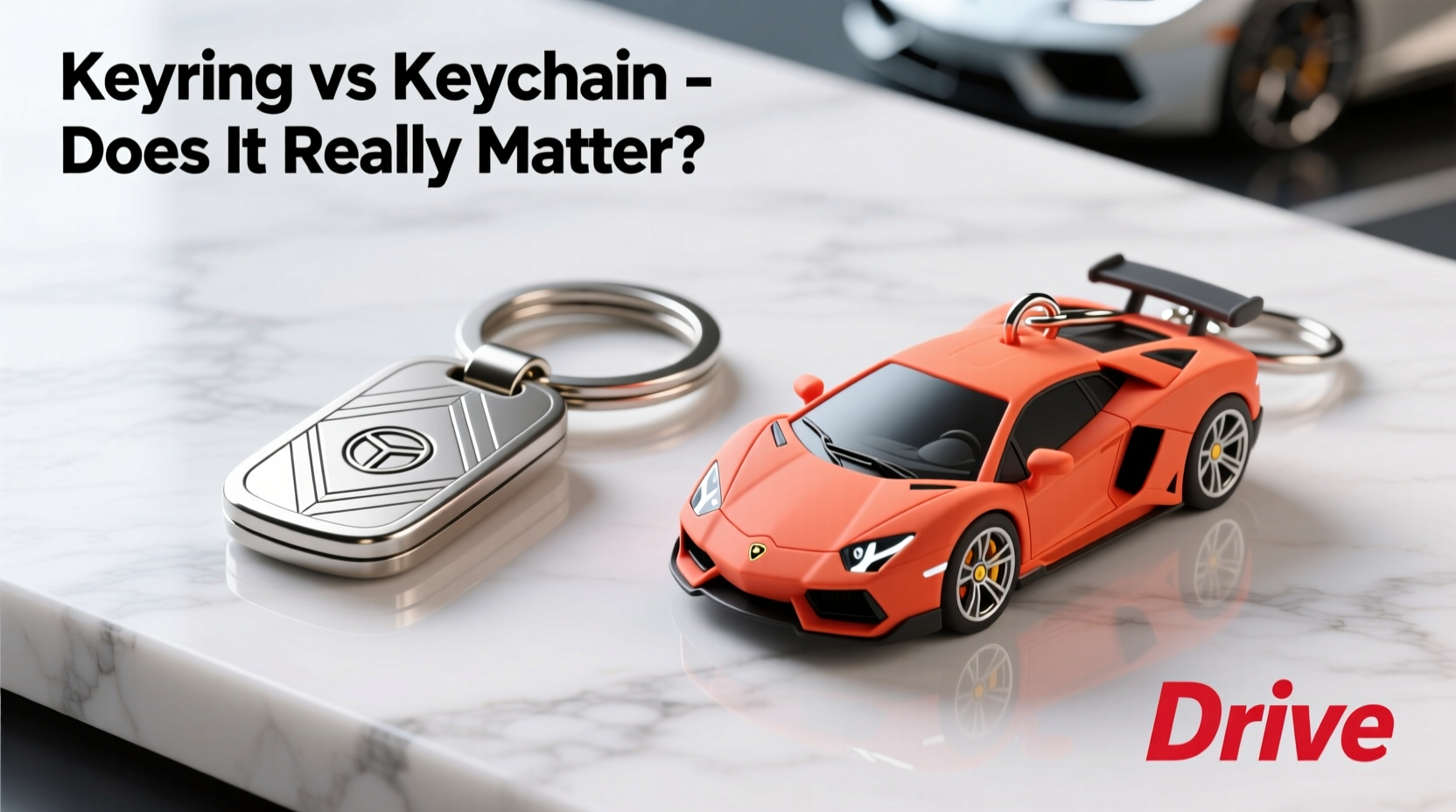
The terms “keychain” and “keyring” are often used interchangeably, but they refer to different mechanisms and designs. A keyring is typically a simple metal loop—often circular or oval—that allows keys to be slid directly onto it. These rings are usually made of stainless steel, brass, or nickel alloy and are valued for their strength and minimalism.
A keychain, on the other hand, usually refers to a decorative or functional attachment that connects to a keyring or holds keys via a clip, ring, or split mechanism. Keychains may include logos, branded tags, leather straps, LED lights, bottle openers, or even built-in USB drives. They’re more about personalization and added utility.
In practice, most people use a combination: a keyring to hold the keys and a keychain as an external attachment for visibility or ease of access.
Durability and Long-Term Use
Durability is where the distinction starts to matter. Keyrings made from hardened steel resist bending and breaking, even under stress from multiple heavy keys or frequent jostling in pockets. Cheaper keychains, especially those with plastic components or weak swivel joints, can snap or degrade over time.
Consider this: modern car keys are heavier than ever due to integrated electronics, batteries, and rubberized buttons. Over months, the constant weight and motion can wear down low-quality connectors. A flimsy keychain clasp might fail unexpectedly, leading to lost keys—a costly and inconvenient outcome if your car uses a transponder fob requiring programming.
“Over 30% of roadside assistance calls related to key issues stem from broken or detached keychains,” says Mark Reynolds, senior technician at DriveSafe Auto Services. “A robust keyring paired with a secure chain reduces risk dramatically.”
Functionality and Practical Design
Functionality goes beyond just holding keys. Some keychains offer practical features like:
- Integrated bottle openers
- LED flashlight modules
- RFID-blocking sleeves for digital fobs
- Quick-release clips for easy separation
However, added features come with trade-offs. Bulky attachments can make pocket carry uncomfortable or interfere with seatbelt buckles. Worse, protruding parts may damage touchscreen surfaces or scratch phone screens when carried together.
In contrast, minimalist keyrings eliminate bulk. High-end versions feature rotating bearings that prevent key twisting and reduce fabric wear in pockets. For drivers who value efficiency and discretion, a sleek keyring with a smooth finish often outperforms flashy multi-tool keychains.
Comparison Table: Keychain vs Keyring Features
| Feature | Keyring | Keychain |
|---|---|---|
| Material | Metal (steel, titanium) | Mixed (metal, plastic, leather, silicone) |
| Durability | High – resistant to breakage | Variable – depends on build quality |
| Weight Capacity | Supports 5+ heavy keys | Limited by connector strength |
| Style Options | Limited (minimalist aesthetic) | Extensive (branded, novelty, custom) |
| Functionality | Basic key holding | Multi-use (light, tool, tracker) |
| Pocket Comfort | Excellent (slim profile) | Poor to good (bulk varies) |
| Cost Range | $2–$15 | $5–$50+ |
Real-World Example: The Commuter’s Dilemma
Take Sarah, a project manager in Chicago who commutes daily via train and walks the final mile to her office. She initially used a promotional keychain with her company logo and a built-in stylus. Within three months, the plastic hinge cracked during winter, and the entire unit snapped off inside her coat pocket. Not only did she lose access to her car, but replacing the fob cost $220 and required dealership programming.
After switching to a solid brass keyring with a rotating bearing and a compact Tile tracker clipped securely to the ring, she reported fewer frustrations. “It stays put, doesn’t snag, and I haven’t lost my keys since,” she said. “Sometimes simple is better.”
Choosing the Right Option: A Step-by-Step Guide
Selecting between a keychain and a keyring isn’t about trends—it’s about matching your lifestyle. Follow this sequence to make the right decision:
- Assess your key load. Count how many keys you carry and weigh them. Heavy electronic fobs demand stronger support.
- Evaluate your carry method. Do you keep keys in a bag, jacket pocket, or jeans? Bulkier options work better in bags; slimmer ones suit tight pockets.
- Determine needed features. Do you want quick access, tracking, illumination, or branding?
- Test material quality. Look for corrosion-resistant metals and reinforced connection points.
- Budget wisely. Spending $10–$20 on a durable solution prevents $200+ replacement costs later.
Checklist: Before You Buy Your Next Key Holder
- ✅ Can it support the total weight of your keys and fob?
- ✅ Is the attachment mechanism secure (e.g., screw-lock, double-clasp)?
- ✅ Does it resist rust or tarnishing in wet conditions?
- ✅ Will it fit comfortably in your preferred carry location?
- ✅ Does it include useful extras without unnecessary bulk?
- ✅ Is it easy to add or remove keys when needed?
Frequently Asked Questions
Can I use a keychain and a keyring together?
Absolutely. Most people do. Attach your keys to a sturdy keyring, then connect the ring to a personalized or functional keychain. This setup combines strength with style and utility.
Are smart key finders better on keychains or keyrings?
They work best when attached directly to the keyring, not dangling from a loose keychain. This minimizes the chance of detachment and ensures consistent Bluetooth signal transmission.
Do certain keyrings damage car paint?
Possibly. Uncoated metal rings or rough-edged keychains can scratch doors or body panels if keys swing while driving. Consider using coated or rubberized rings to prevent contact damage.
Final Thoughts: It Does Matter—Choose Intentionally
The choice between a car keychain and a keyring isn’t just cosmetic. It affects how reliably you access your vehicle, how long your keys last, and even your daily comfort. While keychains offer personality and extra functions, keyrings provide unmatched reliability. The smartest approach is to combine both: anchor your keys with a high-quality keyring and enhance accessibility with a thoughtfully chosen keychain.
Don’t wait for a broken clasp or lost fob to realize the importance of this small but critical accessory. Evaluate your current setup, prioritize durability, and invest in a system that supports your routine—not hinders it.




 浙公网安备
33010002000092号
浙公网安备
33010002000092号 浙B2-20120091-4
Comments
No comments yet. Why don't you start the discussion?