
Cat urine in unwanted areas of the home is one of the most common and distressing issues pet owners face. Unlike litter box accidents caused by poor aim, inappropriate urination—especially outside the box—is often a sign of deeper physical, behavioral, or environmental concerns. Simply cleaning up the mess won’t solve the problem. To restore peace in your home and ensure your cat’s well-being, you need a comprehensive understanding of why cats urinate indoors and how to address it effectively.
This guide provides science-backed, veterinarian-approved strategies that go beyond surface-level fixes. From medical evaluation to environmental enrichment, you’ll learn how to identify triggers, implement long-term solutions, and rebuild trust with your feline companion.
Understand Why Cats Urinate Outside the Litter Box
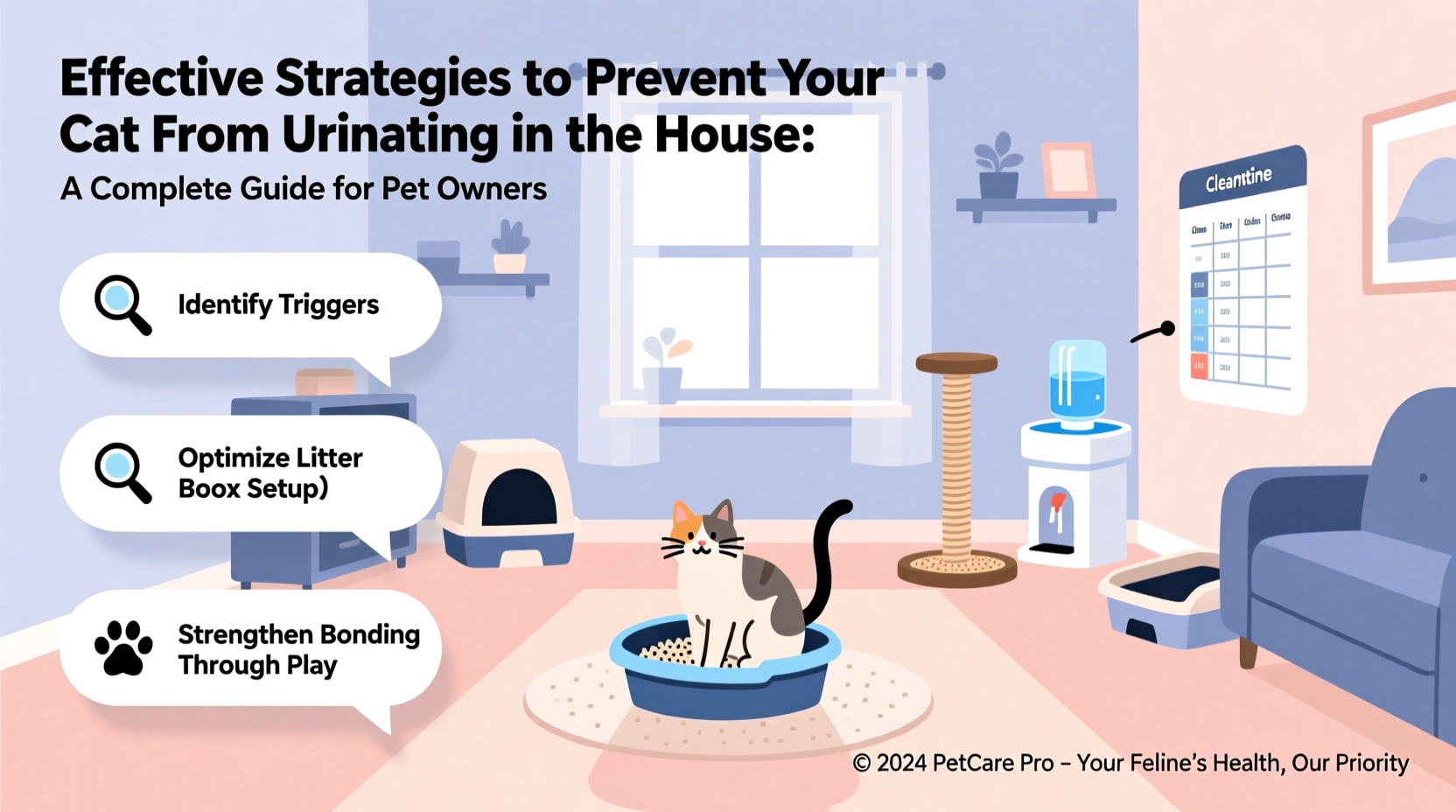
Cats don’t misbehave out of spite. Inappropriate urination is a symptom, not a character flaw. The reasons fall into three main categories: medical, behavioral, and environmental.
- Medical causes: Urinary tract infections (UTIs), bladder stones, kidney disease, diabetes, or arthritis can make using the litter box painful or difficult.
- Behavioral issues: Stress, anxiety, territorial marking, or past trauma may lead to spraying or avoidance.
- Environmental factors: Dirty litter boxes, inaccessible locations, competition with other pets, or changes in routine can discourage proper use.
Ignoring these root causes leads to repeated incidents and deteriorating human-animal bonds. The first step is ruling out health problems.
Step-by-Step Guide to Addressing Indoor Urination
- Schedule a veterinary exam. Blood work, urinalysis, and imaging help detect underlying conditions.
- Identify the pattern. Is your cat squatting (indicating elimination) or standing and spraying (marking territory)? Location matters—walls suggest spraying; floors near sleeping areas may signal discomfort.
- Assess litter box hygiene. Scoop daily, clean weekly, and replace litter entirely every month.
- Evaluate placement. Boxes should be in quiet, low-traffic areas, away from food and appliances.
- Increase litter box availability. Follow the “n+1” rule: one box per cat, plus one extra.
- Reduce stressors. Introduce new pets slowly, maintain routines, and provide safe retreats.
- Use enzymatic cleaners. Standard cleaners leave odors that attract repeat offenses.
- Reinforce positive behavior. Reward your cat with treats or affection after correct litter use.
Litter Box Best Practices: Do’s and Don’ts
| Do’s | Don’ts |
|---|---|
| Provide multiple boxes in multi-level homes | Place only one box for multiple cats |
| Use unscented, clumping litter | Use heavily perfumed or textured litters |
| Keep boxes uncovered (unless medically necessary) | Use covered boxes that trap odors |
| Place boxes in accessible, quiet areas | Put them next to loud washers or furnaces |
| Offer different litter types if rejection occurs | Switch brands abruptly without transition |
Real Example: Resolving Chronic Marking in a Multi-Cat Home
Sarah adopted a second cat six months ago. Soon after, her older cat, Luna, began spraying on the living room sofa. Despite thorough cleaning and reprimands, the behavior continued. A vet visit ruled out UTIs, but revealed mild anxiety. With guidance from a veterinary behaviorist, Sarah implemented several changes:
- Added a third litter box on the main floor.
- Installed Feliway diffusers in shared spaces.
- Created vertical space with cat trees to reduce competition.
- Established separate feeding zones and play schedules.
Within four weeks, the spraying stopped. Luna resumed normal litter box use, and the household tension eased. This case illustrates how environmental adjustments—even without medical intervention—can resolve complex behavioral issues.
Expert Insight: What Veterinarians Emphasize
“Owners often assume cats are being defiant when they urinate outside the box. But pain, fear, or insecurity are far more likely culprits. Treating the behavior as punishment only deepens the problem.” — Dr. Alan Tessler, DVM, Feline Behavior Specialist
Dr. Tessler emphasizes that punishment—such as yelling, rubbing a cat’s nose in urine, or confinement—damages trust and increases stress. Instead, focus on making the litter box the most appealing option available.
Checklist: Immediate Actions to Stop Indoor Urination
Action Checklist:
- ✅ Schedule a vet appointment to rule out medical issues
- ✅ Clean all soiled areas with enzymatic cleaner
- ✅ Provide n+1 litter boxes (e.g., 3 boxes for 2 cats)
- ✅ Place boxes in quiet, accessible locations
- ✅ Scoop boxes at least once daily
- ✅ Try unscented clumping litter if switching
- ✅ Use pheromone diffusers like Feliway in high-stress zones
- ✅ Avoid ammonia-based cleaners—they mimic urine scent
- ✅ Monitor interactions between pets for signs of conflict
- ✅ Reward correct litter use with praise or treats
Frequently Asked Questions
Why does my cat pee on my bed or clothes?
This behavior often stems from strong emotional associations. Your bed carries your scent, which may comfort an anxious cat—or provoke marking if they feel their territory is threatened. It can also indicate that the litter box feels unsafe or is too dirty. Address both emotional security and litter hygiene.
Is spraying the same as inappropriate urination?
No. Spraying involves a cat backing up to a vertical surface, lifting its tail, and releasing small amounts of urine—often with a quivering tail. This is territorial marking. Inappropriate urination usually involves squatting on horizontal surfaces and may signal discomfort or aversion. Treatment approaches differ based on the behavior type.
Can diet affect my cat’s urination habits?
Yes. Diets high in minerals can contribute to urinary crystals or stones, especially in male cats. Wet food increases hydration, which supports urinary tract health. Always consult your vet before changing diets, particularly if your cat has a history of UTIs.
Conclusion: Restore Harmony with Compassionate Care
Stopping your cat from urinating in the house isn’t about control—it’s about communication. When your cat acts out, they’re sending a message. By responding with patience, observation, and informed action, you can resolve the issue and strengthen your bond. Remember, progress takes time. Celebrate small victories, stay consistent, and never underestimate the power of a clean litter box and a calm environment.




 浙公网安备
33010002000092号
浙公网安备
33010002000092号 浙B2-20120091-4
Comments
No comments yet. Why don't you start the discussion?