
Every driver knows the value of having tissues within reach—whether for quick cleanups, wiping fogged windows, or helping a sneezing passenger. But when it comes to storing them in your car, two options dominate: the classic tissue box and the increasingly popular car-specific tissue dispenser. At first glance, the choice seems trivial. But over time, small differences in accessibility, durability, and aesthetics can significantly impact daily convenience. So, is upgrading to a fancy dispenser actually worthwhile, or does the humble cardboard box still reign supreme?
The Basics: How Each Option Works
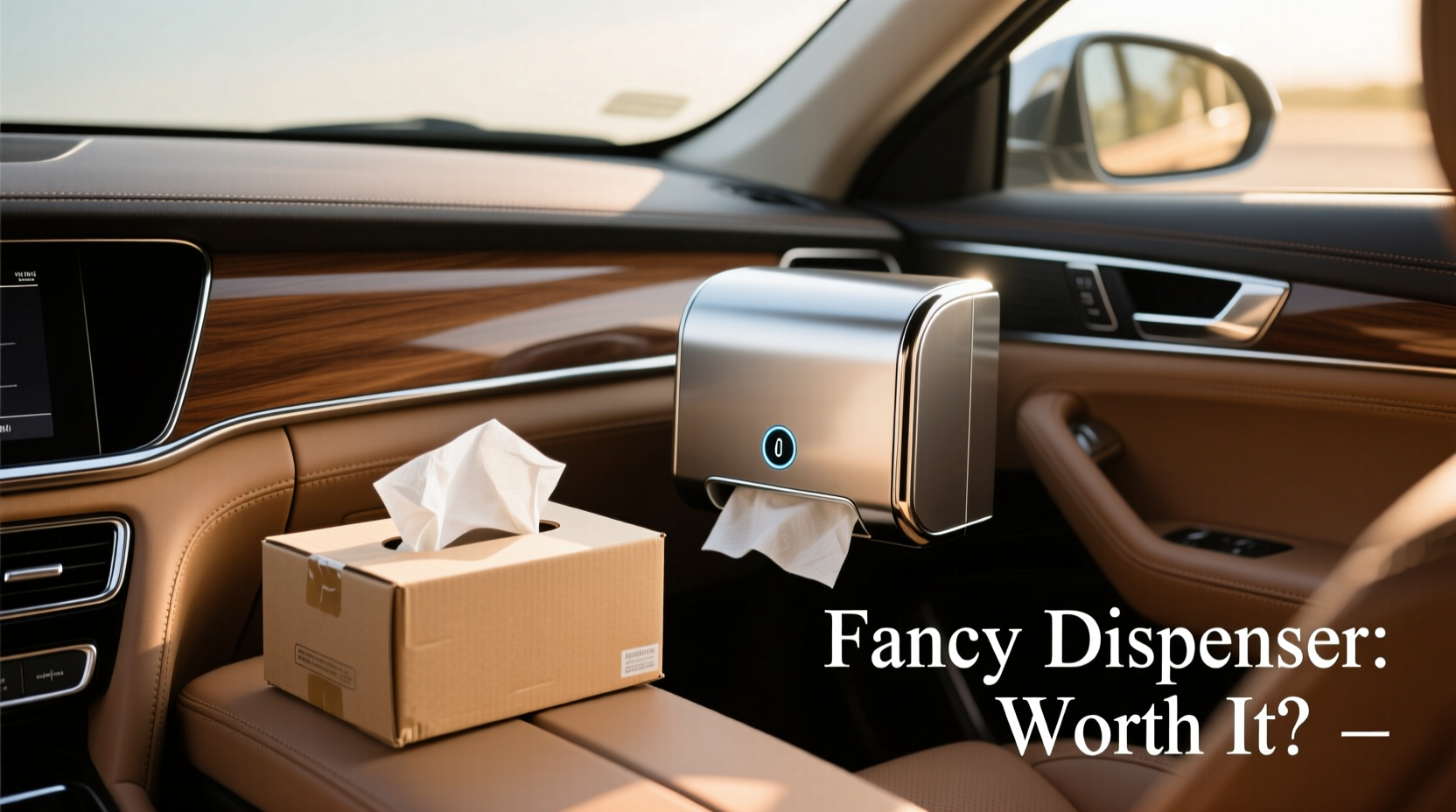
A standard car tissue box is exactly what you’d find at any grocery store—a rectangular paperboard container with a perforated opening on top. It’s inexpensive, widely available, and requires no installation. Most drivers simply place it in the glove compartment, center console, or passenger seat pocket.
In contrast, a car tissue dispenser is a dedicated holder designed specifically for vehicles. These range from basic plastic sleeves that hold a full box to premium models with magnetic mounts, adhesive backs, or air vent clips. Some even feature auto-feed mechanisms or one-handed pull systems. While they don’t come with tissues, they’re built to securely house a standard-sized box and control how tissues are dispensed.
Functionality and Accessibility Compared
One of the biggest factors in choosing between a box and a dispenser is ease of access while driving. A loose tissue box can slide around on seats or dashboards, especially during sharp turns. Retrieving a tissue often requires two hands—one to stabilize the box, another to pull out a sheet. This becomes inconvenient, even unsafe, when driving.
Dispensers solve this issue by anchoring the box in place. Vent-mounted models keep tissues near eye level, reducing distraction. Magnetic or adhesive versions can be attached to metal surfaces like door frames or center consoles, offering flexible placement. Many also feature wider dispensing slits or spring-loaded tops that make one-handed use possible.
Durability and Environmental Protection
Tissue boxes are fragile. The cardboard softens when exposed to moisture, and the open top allows dust, lint, and debris to settle on unused sheets. In hot climates, direct sunlight can degrade both the packaging and the tissues inside. Over time, a box left in a car may become warped, damp, or even moldy.
Fancy dispensers typically offer better protection. Hard plastic or silicone enclosures shield tissues from heat, UV rays, and airborne contaminants. Sealed designs prevent spills from drinks or rain from ruining the supply. Some high-end models even include UV-resistant coatings or insulated materials to maintain tissue integrity in extreme temperatures.
“Over 60% of drivers report replacing tissues prematurely due to exposure—using a sealed dispenser can cut waste by nearly half.” — Dr. Lena Patel, Automotive Interior Researcher at DriveWell Labs
Cost Analysis: Upfront vs. Long-Term Value
At face value, a standard tissue box costs between $0.50 and $1.50. A basic dispenser starts around $8, while premium models with smart features can exceed $25. On the surface, the box appears far more economical.
However, long-term value shifts the equation. Frequent replacement of damaged or contaminated tissues adds hidden costs. Drivers using unprotected boxes may go through 2–3 times as many packs per month. Additionally, spill-related interior stains or lingering odors from degraded paper can lead to higher cleaning expenses.
When amortized over a year, a $12 dispenser that reduces tissue waste by 40% pays for itself in under six months. Beyond that, it delivers ongoing savings and convenience.
Design and Integration with Car Interiors
Modern cars emphasize minimalism and seamless design. A crumpled tissue box sticking out of a door pocket disrupts that aesthetic. Dispensers, especially low-profile or color-matched models, integrate more naturally into the cabin. Some mimic OEM accessory styling, making them appear factory-installed.
For car enthusiasts or those who take pride in interior presentation, a sleek dispenser enhances organization and visual harmony. It signals attention to detail—much like seat covers, floor mats, or phone mounts.
Real-World Scenario: Commuter vs. Family Use
Consider two typical users:
- Sarah, a daily commuter: She drives 30 minutes each way, alone, five days a week. Her needs are minimal—occasionally wiping her glasses or drying wet hands after washing them at work. A tissue box in her console works fine. She replaces it every few weeks and rarely notices issues.
- James, a father of two: He shuttles kids to school, carries snacks, and deals with spills, runny noses, and muddy shoes. His old tissue box gets crushed under backpacks, absorbs juice spills, and is often empty when needed. After switching to a vent-mounted dispenser with a child-lock flap, he reports fewer messes, less frustration, and longer-lasting tissue supplies.
This contrast illustrates that the “best” option depends on usage patterns. Light users may not need advanced features. Heavy or family users benefit significantly from the structure and protection a dispenser provides.
Comparison Table: Box vs. Dispenser at a Glance
| Feature | Standard Tissue Box | Car Tissue Dispenser |
|---|---|---|
| Upfront Cost | $0.50 – $1.50 | $8 – $25+ |
| Installation | None (loose placement) | Clip, adhesive, or magnetic mount |
| Accessibility | Moderate (often requires two hands) | High (one-handed use possible) |
| Durability | Low (cardboard degrades) | High (plastic/resilient materials) |
| Environmental Protection | Poor (open top, no seal) | Good to excellent (sealed designs) |
| Aesthetic Integration | Low (cluttered look) | High (sleek, customizable) |
| Best For | Occasional use, budget-conscious drivers | Families, frequent drivers, car enthusiasts |
Step-by-Step Guide: Choosing the Right Solution
- Assess your usage frequency: Do you use tissues daily, weekly, or rarely?
- Evaluate your passengers: Are children or pets involved? More users increase the need for durability and containment.
- Check available mounting space: Look for flat surfaces, air vents, or metal areas suitable for adhesive or magnetic mounts.
- Determine your budget: Decide if you’re willing to invest upfront for long-term benefits.
- Test a dispenser model: Start with an affordable version to see if the improvement justifies the cost.
- Monitor tissue waste: Track how often you replace packs before and after switching.
- Upgrade gradually: If satisfied, consider premium features like auto-feed or UV protection.
Frequently Asked Questions
Can I reuse a car tissue dispenser with different brands of tissues?
Yes, most dispensers accommodate standard-sized tissue boxes (typically 5.5\" x 2.75\" x 4.5\"). Always check internal dimensions before purchasing, especially if using non-standard or travel-sized packs.
Do dispensers work with pop-up tissue styles?
Some do, but many are designed for traditional pull-through boxes. If you prefer pop-up tissues, look for models labeled “universal fit” or “pop-up compatible.”
Are there eco-friendly dispenser options?
Yes. Several brands now offer recyclable plastic or biodegradable dispensers. Additionally, reducing tissue waste through better storage supports sustainability goals.
Final Verdict: Is a Fancy Dispenser Worth It?
For occasional drivers with minimal needs, a simple tissue box remains a perfectly functional, low-cost solution. However, for anyone who uses tissues regularly—especially parents, rideshare drivers, or those in variable weather conditions—a dedicated car tissue dispenser offers measurable advantages in safety, hygiene, and efficiency.
The upgrade isn’t about luxury; it’s about practicality. A well-designed dispenser keeps tissues dry, accessible, and organized. It reduces waste, integrates cleanly into modern car interiors, and supports safer, one-handed use while driving. When viewed as a long-term investment in convenience and cleanliness, the modest price tag becomes hard to justify skipping.




 浙公网安备
33010002000092号
浙公网安备
33010002000092号 浙B2-20120091-4
Comments
No comments yet. Why don't you start the discussion?