
In an era where minimalism meets functionality, the way we carry our essentials is undergoing a quiet revolution. The traditional wallet—once a staple in every pocket—is being challenged by a sleek, space-saving alternative: the card holder keychain. Unlike a regular keychain that merely jingles with metal, today’s smart designs integrate secure card storage directly into your keys. This shift isn’t just about style; it’s about rethinking what we actually need on the go. For those tired of bulky pockets, lost cards, or fumbling at checkout counters, the card holder keychain offers a compelling upgrade.
The Problem with Traditional Wallets and Regular Keychains
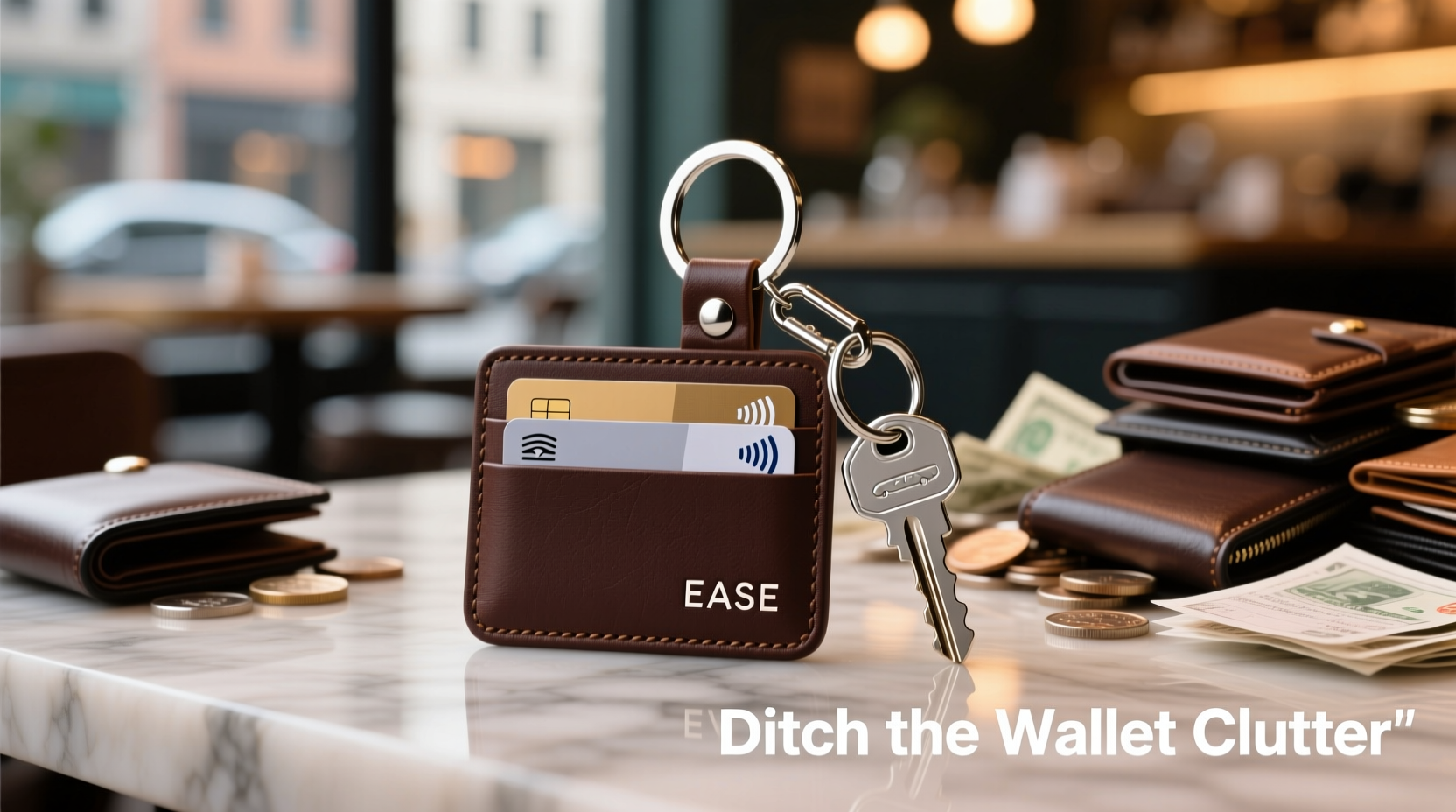
Most people carry more than they need. A standard wallet often holds multiple credit cards, receipts, loyalty cards, cash, and even old photos. Paired with a separate set of keys on a basic keychain, this creates unnecessary bulk and disorganization. Over time, this clutter leads to discomfort, slower access, and even wear on clothing from constant pocket stuffing.
Regular keychains compound the issue. They’re typically designed only to hold keys, offering no utility for cards or IDs. When combined with a full wallet, they represent two separate items to manage—one in each pocket. This dual burden increases the chance of misplacing either, especially during rushed transitions like commuting or traveling.
What Is a Card Holder Keychain?
A card holder keychain merges the function of a minimalist wallet with your everyday keyring. It typically features a slim metal or leather sleeve that clips onto or integrates directly with your keys, holding 2–4 essential cards securely. Some models include a small compartment for folded cash or a coin, but the primary focus remains on accessibility and compactness.
These devices are built for convenience. Instead of reaching into a back or front pocket, users can simply unclip the card holder from their keyring, swipe or tap their card, and reattach it—all in one fluid motion. Materials range from aerospace-grade aluminum to premium vegan leather, ensuring durability without added weight.
Unlike a regular keychain, which serves only one purpose, the card holder keychain eliminates redundancy. You no longer need both a wallet and a keyring; instead, everything consolidates into a single, streamlined tool.
Key Benefits of Switching to a Card Holder Keychain
- Reduced Bulk: Eliminates the need for a full wallet, reducing pocket strain and sagging pants.
- Faster Access: Cards are always attached to your keys—where you naturally look when leaving home.
- Improved Security: Fewer items mean less to lose. Many models feature locking mechanisms or tight friction fits to prevent accidental ejection.
- RFID Protection: High-end versions include shielding to block digital skimming of contactless cards.
- Style & Simplicity: Offers a clean, modern aesthetic favored by urban professionals and travelers alike.
“Minimalist carry isn’t about owning less—it’s about making everything you own work harder.” — David Chen, Urban Gear Designer
Card Holder Keychain vs Regular Keychain: A Practical Comparison
| Feature | Card Holder Keychain | Regular Keychain |
|---|---|---|
| Card Storage | Yes (2–4 cards) | No |
| Wallet Required? | No (for minimalists) | Yes |
| Pocket Space Used | One pocket (keys + cards) | Two pockets (keys + wallet) |
| Access Speed | Fast (integrated) | Slower (separate retrieval) |
| Durability | High (metal/leather builds) | Medium (plastic/metal rings) |
| Price Range | $25–$80 | $5–$20 |
| RFID Protection | Available in select models | Never included |
Real-World Example: How One Professional Simplified Their Daily Routine
James, a 34-year-old project manager in Chicago, used to carry a bi-fold wallet with eight cards, loose change, and crumpled receipts. His keychain held six keys and a bottle opener. Every morning, he’d pat his pockets twice before leaving—once for keys, once for wallet. On average, he misplaced one or the other once a month.
After reading about minimalist carry systems, James invested in a titanium card holder keychain that held his driver’s license, work badge, and one credit card. He left his wallet at home unless traveling. Within three weeks, he noticed fewer back-pocket bulges, faster airport security checks, and no more frantic searches for lost items.
“It felt strange at first,” he admitted, “but now I can’t imagine going back. My keys do double duty, and I actually know what I’m carrying.”
How to Transition Smoothly: A Step-by-Step Guide
- Assess Your Daily Needs: Identify which 2–3 cards you use most (e.g., ID, debit, transit pass).
- Downsize Your Wallet: Remove all non-essential cards, cash, and clutter.
- Choose the Right Model: Consider material (metal for durability, leather for flexibility), capacity, and RFID protection.
- Attach and Test: Clip the card holder to your keyring and use it for a full day. Adjust placement for comfort.
- Establish a Backup Plan: Keep a slim backup wallet at home or in your bag for rare occasions when you need extra cards.
Common Concerns and Misconceptions
Some remain skeptical, fearing that a card holder keychain lacks capacity or risks damaging cards. While valid, these concerns are often overstated. Modern designs use rounded edges and smooth interiors to prevent scratches. Most users find that limiting their active cards improves decision-making and reduces fraud risk from unused accounts.
Another myth is that tapping or swiping becomes harder. In reality, because the card is always accessible and not buried in a wallet, transaction speed often improves—especially with contactless payments.
Checklist: Is a Card Holder Keychain Right for You?
- ✅ You carry fewer than four essential cards daily
- ✅ You frequently forget or lose your wallet
- ✅ You value minimalist design and functional simplicity
- ✅ You want to reduce pocket bulk and clothing wear
- ✅ You’re open to changing habits for long-term convenience
FAQ
Can a card holder keychain damage my credit cards?
Not if designed well. High-quality models use smooth interiors and avoid sharp edges. Avoid forcing cards in or out aggressively. Over time, minor wear may occur, but it’s typically less than the creasing caused by sitting on a thick wallet.
What if I need more than four cards?
Most users don’t need more than 2–3 cards per day. Keep additional cards in a secure place at home or in a secondary bag. Use digital wallets (Apple Pay, Google Pay) as a supplement for occasional needs.
Are card holder keychains travel-friendly?
Yes. They’re TSA-compliant and reduce the number of items to remove during security checks. Many frequent travelers prefer them for international trips where pickpocketing risk is higher and minimal carry is safer.
Final Thoughts: Embrace Simplicity Without Sacrificing Function
The choice between a card holder keychain and a regular keychain isn’t just about hardware—it’s about philosophy. Do you want to carry everything, just in case? Or do you prefer having only what you need, exactly when you need it?
For those ready to ditch wallet clutter, the card holder keychain represents a smart evolution in personal organization. It combines necessity with innovation, turning a simple keyring into a powerful tool for everyday efficiency. The initial adjustment is minor; the long-term benefits are significant.




 浙公网安备
33010002000092号
浙公网安备
33010002000092号 浙B2-20120091-4
Comments
No comments yet. Why don't you start the discussion?