
Cats are typically fastidious groomers who keep themselves—and their mouths—clean. So when you notice your feline companion drooling more than usual, it can be unsettling. While occasional drooling may be harmless, excessive or sudden salivation often signals an underlying issue. Understanding the possible causes, recognizing warning signs, and knowing when to seek veterinary help are essential for responsible pet ownership.
Drooling, or ptyalism, in cats isn't normal behavior unless triggered by a specific stimulus like strong smells or anticipation of food. Persistent or unexplained drooling should never be ignored. This article breaks down the most common reasons behind excessive drooling, how to assess severity, and what actions to take to protect your cat’s health.
Common Causes of Excessive Drooling in Cats
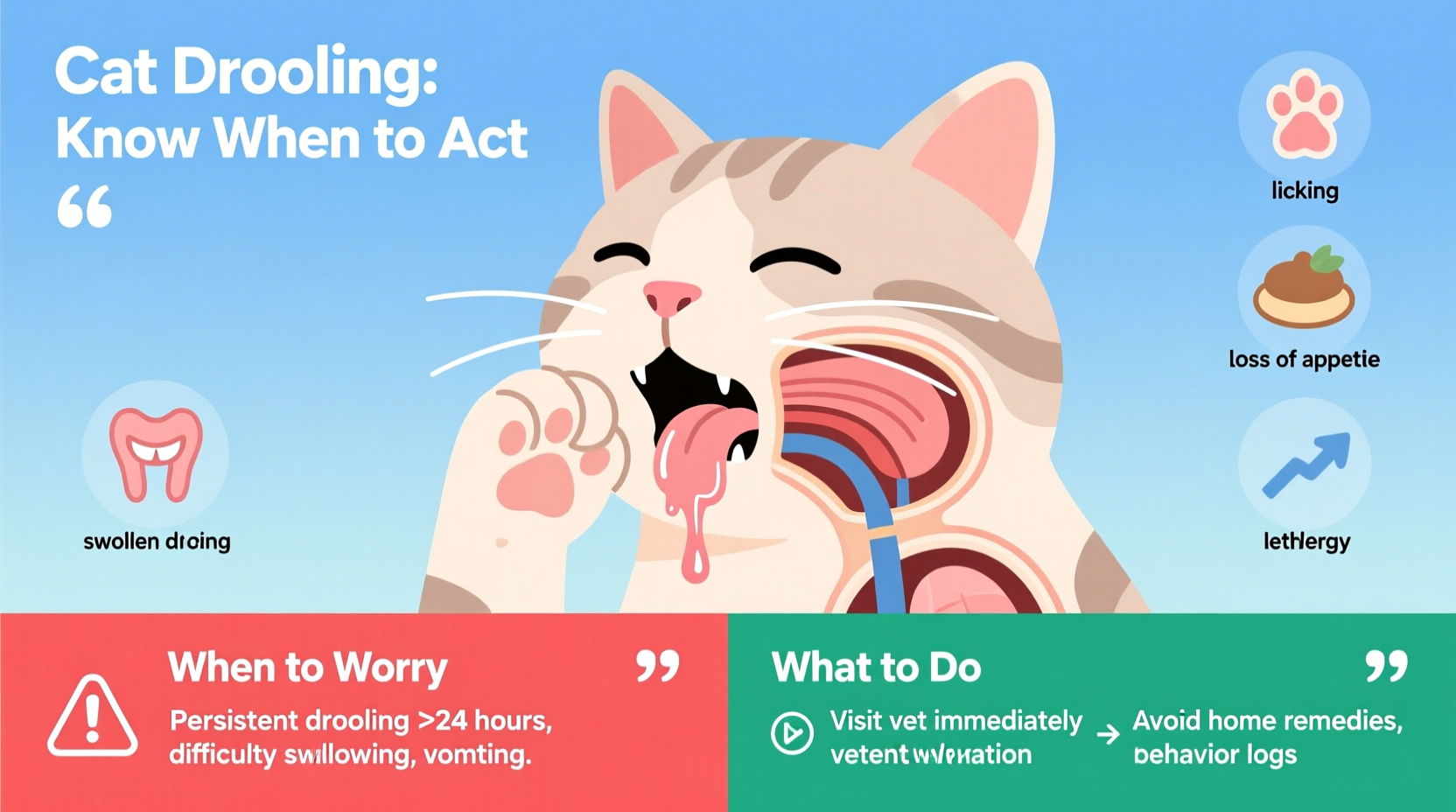
Excessive drooling in cats can stem from both benign and serious conditions. Identifying the root cause is crucial to determining whether home observation is sufficient or if immediate veterinary attention is needed.
- Dental disease: Periodontal disease, gingivitis, tooth resorption, or oral infections are leading causes. These conditions cause pain and inflammation, prompting increased saliva production.
- Foreign objects: Bones, string, plant material, or toys stuck in the mouth or throat can irritate tissues and trigger drooling.
- Nausea: Gastrointestinal upset, motion sickness, or ingestion of toxins can lead to nausea-induced salivation.
- Poisoning: Exposure to toxic substances such as household cleaners, lilies, pesticides, or certain human medications can cause severe drooling.
- Oral tumors: Benign or malignant growths in the mouth may interfere with swallowing and stimulate excess saliva.
- Respiratory infections: Upper respiratory infections (URIs), especially those caused by feline herpesvirus or calicivirus, often result in ulcers and discomfort that increase drooling.
- Stress or anxiety: Some cats drool when stressed—during car rides, vet visits, or environmental changes.
- Medication side effects: Certain drugs, particularly those with bitter tastes or administered orally, can induce temporary drooling.
When to Worry: Red Flags That Demand Immediate Attention
Not all drooling requires emergency care, but some symptoms indicate a medical crisis. Recognizing these warning signs helps prevent complications and ensures timely treatment.
“Persistent drooling combined with lethargy, refusal to eat, or difficulty breathing should prompt immediate veterinary evaluation.” — Dr. Lena Reyes, DVM, Feline Internal Medicine Specialist
Seek urgent veterinary care if your cat exhibits any of the following:
- Blood in the saliva
- Foul-smelling breath (halitosis)
- Swelling around the face or jaw
- Pawing at the mouth
- Loss of appetite or inability to swallow
- Vomiting, diarrhea, or signs of abdominal pain
- Tremors, seizures, or disorientation
- Changes in behavior such as hiding or aggression
If you suspect poisoning, contact your veterinarian or the ASPCA Animal Poison Control Center immediately. Time is critical in toxic exposure cases.
Step-by-Step Guide: What to Do If Your Cat Is Drooling Excessively
Reacting calmly and systematically increases your chances of identifying the problem and getting appropriate help.
- Stay calm and observe: Note when the drooling started, its frequency, and any accompanying behaviors (e.g., lip smacking, head shaking).
- Inspect the mouth: Gently open your cat’s mouth using a clean cloth or gauze. Look for foreign objects, ulcers, broken teeth, or discoloration.
- Check for other symptoms: Monitor temperature, appetite, hydration, and litter box habits. Fever or dehydration worsens urgency.
- Remove potential toxins: If you suspect poisoning, eliminate access to the substance and bring packaging or plant samples to the vet.
- Contact your veterinarian: Describe symptoms clearly. Follow their guidance on whether to wait, schedule a routine visit, or go to an emergency clinic.
- Prepare for the visit: Bring a list of recent diet changes, medications, behavioral shifts, and photos/videos of the drooling if possible.
Do’s and Don’ts: Quick Reference Table
| Do’s | Don’ts |
|---|---|
| Do gently examine the mouth for visible issues | Don’t force your cat’s mouth open if they resist |
| Do offer fresh water to rinse the mouth | Don’t give human medications without vet approval |
| Do keep your cat calm and comfortable | Don’t delay veterinary care if drooling persists beyond a few hours |
| Do record symptoms and timeline | Don’t assume stress is the only cause without ruling out medical issues |
Mini Case Study: Bella the Persian Cat
Bella, a 7-year-old indoor Persian, began drooling heavily after returning from a weekend at a cattery. Her owner initially assumed she was stressed. Over 24 hours, however, Bella stopped eating, pawed at her mouth, and developed a foul odor from her breath. A vet examination revealed a small piece of carpet fiber lodged between her molars, causing infection. After removal and antibiotics, Bella recovered fully within a week.
This case highlights how seemingly minor drooling can escalate quickly. Early intervention prevented abscess formation and systemic illness.
Prevention and Long-Term Oral Health
Many causes of excessive drooling are preventable with consistent care. Establishing a proactive oral hygiene routine reduces the risk of dental disease—the most common culprit.
- Brush your cat’s teeth 2–3 times weekly using pet-safe toothpaste.
- Provide dental treats or toys approved by the Veterinary Oral Health Council (VOHC).
- Schedule annual dental checkups during wellness exams.
- Avoid feeding bones or hard objects that can fracture teeth.
- Keep toxic plants and chemicals out of reach.
Frequently Asked Questions
Is it normal for cats to drool when purring?
Some cats drool slightly when deeply relaxed or being petted, especially if they’re feeling content. This is usually harmless if it’s infrequent and not associated with other symptoms. However, persistent drooling—even during purring—should be evaluated.
Can stress really cause drooling in cats?
Yes. Cats under acute stress—such as during travel or vet visits—may drool due to anxiety. This type of drooling typically resolves once the stressor is removed. If drooling continues after the situation calms down, investigate medical causes.
What should I do if my cat starts drooling after taking medication?
Some liquid or pill-based medications have bitter coatings that trigger salivation. If drooling stops shortly after administration and no other symptoms appear, it may be a reaction to taste. However, consult your vet if drooling lasts longer than 30 minutes or is accompanied by vomiting or lethargy.
Action Plan Checklist
Use this checklist to respond effectively if your cat begins drooling excessively:
- ☐ Observe duration and pattern of drooling
- ☐ Check for foreign objects or mouth injuries
- ☐ Assess appetite, behavior, and hydration
- ☐ Remove suspected toxins from environment
- ☐ Contact veterinarian with detailed symptom report
- ☐ Schedule exam if drooling persists beyond a few hours
- ☐ Follow up on dental care and preventive measures
Conclusion: Prioritize Your Cat’s Comfort and Health
Excessive drooling in cats is more than just a messy inconvenience—it’s often a signal that something is wrong. Whether it’s dental pain, poisoning, or stress, ignoring the symptom can lead to worsening conditions. By staying informed, conducting regular home checks, and seeking timely veterinary care, you can safeguard your cat’s well-being and prevent minor issues from becoming emergencies.




 浙公网安备
33010002000092号
浙公网安备
33010002000092号 浙B2-20120091-4
Comments
No comments yet. Why don't you start the discussion?